
AHF Empowers Young Girls With Menstrual Health Education Through Comics

The AIDS Healthcare Foundation (AHF) Nigeria has adopted a creative approach to menstrual health education with the launch of a comic magazine designed to equip adolescent girls and young women with accurate information about menstruation and hygiene.
The 26-page publication, unveiled in Abuja on Thursday, explores the difficulties young girls encounter in managing their menstrual health, particularly the effects of cultural beliefs, misinformation and social stigma.
Through illustrations and easy-to-understand messages, the magazine explains basic menstrual health management, promotes good hygiene practices and challenges misconceptions that discourage open discussions about menstruation. It also encourages boys and men to participate in creating a supportive environment for girls and women.
The Senior Advocacy and Marketing Manager of AHF Nigeria, Mr Steve Aborisade, said the publication was part of efforts to expand menstrual health awareness among adolescents and young women, noting that stigma remained a major obstacle to effective education on the subject.
He expressed the hope that the comic presentation would attract the interest of its target audience, make the information easier to understand and encourage young readers to spread the message.
The AHF Nigeria Country Programme Director, Dr Echey Ijezie, said the foundation intended to produce the magazine in several Nigerian languages to reach more communities.
He disclosed that AHF would engage the Federal Ministry of Education and explore the use of schools and community outreach programmes to distribute the publication as an educational resource.
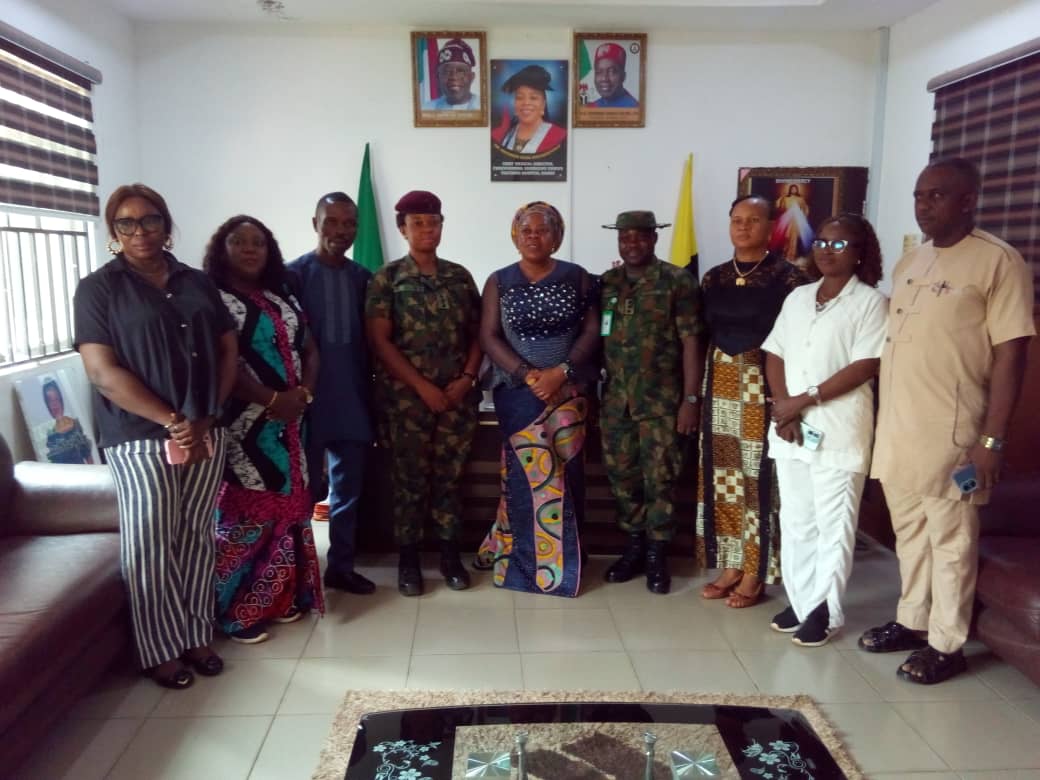
Representing the Minister of Women Affairs, Mrs Osaro Osa-Jarikre of the ministry’s Child Development Department said the ministry was ready to partner with AHF in advancing programmes that promote the welfare and development of the girl child.
She added that the foundation’s interventions would be captured in the ministry’s forthcoming policy framework, assuring AHF of support in its efforts to improve the lives of young Nigerians.
Global estimates indicate that nearly two billion people menstruate, with approximately 500 million experiencing period poverty, making access to reliable menstrual health information and hygiene resources an important public health concern.