




Anambra CSOs Press SSG to Fast-Track Criminal Code, Anti-Corruption Bills, Enforce Procurement Law

By Our Corespondent
A coalition of civil society organisations (CSOs) monitoring the implementation of the Administration of Criminal Justice Law (ACJL) in Anambra State has urged the state government to fast-track pending legislative reforms, strengthen anti-corruption institutions and ensure effective enforcement of the Public Procurement Law.
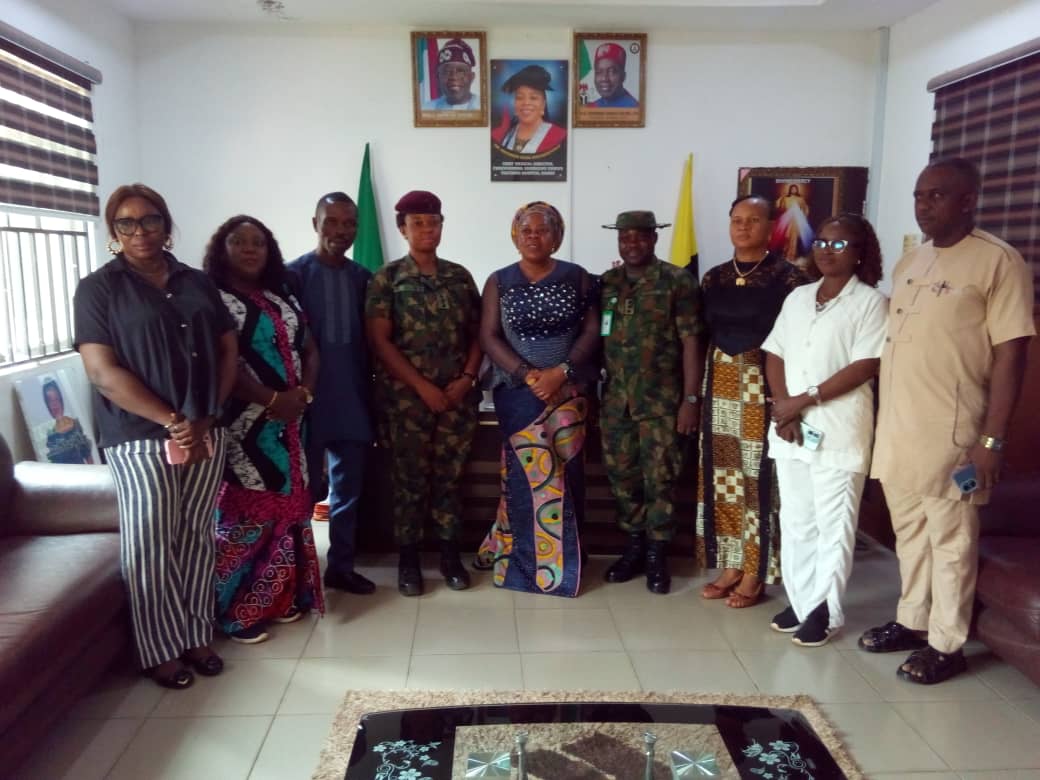
The coalition made the demands during an advocacy visit to the Secretary to the Anambra State Government (SSG), Mrs Chiamaka Nnake, where it presented recommendations aimed at addressing gaps in criminal justice administration, public procurement and institutional accountability.
The delegation, led by the Team Lead of the CSOs-Led Criminal Justice Observatory, Mrs Ugochi Freeman, also called for the establishment of agricultural and vocational skills hubs in correctional facilities to support inmates’ rehabilitation and reintegration into society.
The visit followed a two-day meeting of the observatory supported by the Rule of Law and Anti-Corruption (RoLAC) programme, during which members examined legislative and institutional challenges affecting the implementation of criminal justice reforms in the state.
The CSO Observatory is a working group under CSOs/Media Accountability and Anti-Corruption Initiative (CMAAI).
Presenting the advocacy brief, Freeman said the proposed reforms were necessary to strengthen the legal framework for justice delivery, promote transparency in public administration and improve accountability across government institutions.
On the proposed Anambra State Criminal Code Bill, the coalition urged the SSG to facilitate engagement with the Ministry of Justice to establish its current status and, where necessary, fast-track its finalisation and transmission to the State House of Assembly.
It also called for stakeholder consultations involving civil society organisations and legal practitioners to ensure that the proposed legislation addresses contemporary realities and emerging forms of criminality.
Regarding the Anambra State Public Complaints, Financial Crimes and Anti-Corruption Commission Bill, the coalition recalled that the State House of Assembly had passed the legislation and appealed to the SSG to facilitate its transmission to the Governor for assent, if it had not already been done.
The group said the proposed commission would strengthen the state’s anti-corruption framework through the investigation of financial crimes, recovery of public funds and promotion of institutional accountability.
On public procurement, the coalition expressed concern that the existence of the Anambra State Public Procurement Law would not guarantee transparency without effective monitoring, regulatory compliance and enforcement across ministries, departments and agencies (MDAs).
It called for stronger oversight of the Bureau of Public Procurement (BPP), public disclosure of procurement plans, contract awards, contract sums and project implementation details.
The CSOs also advocated opportunities for independent civil society monitoring of public projects and urged the government to constitute the council provided for under the procurement framework to strengthen the implementation of the law.
The delegation further proposed the establishment of agricultural and vocational skills hubs within the state’s correctional system, where inmates could acquire skills in farming, tailoring, carpentry and other productive ventures.
According to the coalition, such initiatives would enable inmates to develop practical skills, earn income and prepare for reintegration into society after serving their sentences.
It also called for the establishment of juvenile correctional centres for children in conflict with the law, stressing the need for appropriate facilities to address their peculiar rehabilitation and welfare requirements.
The observatory expressed its readiness to collaborate with the state government through independent monitoring, evidence-based reporting, public awareness and constructive engagement with relevant MDAs.
It also requested the designation of a government focal person to facilitate communication and ensure follow-up on the recommendations.
Responding, Nnake pledged to ascertain the status of the proposed Criminal Code Bill and confirm whether the Public Complaints, Financial Crimes and Anti-Corruption Commission Bill had been transmitted to the Governor for assent.
On public procurement, the SSG said the Bureau of Public Procurement was performing its responsibilities, explaining that it handled contracts above the Governor’s approval threshold and maintained records of government projects.
Addressing the proposed juvenile correctional centres, she disclosed that plans for such facilities were already in place.
Nnake also welcomed the proposal for agricultural and vocational skills hubs in correctional facilities, suggesting that the state could consider developing its own rehabilitation programme as the establishment of state police progresses, rather than relying on partnerships with federal institutions.
On the proposed Fiscal Responsibility Commission, however, the SSG maintained that the Anambra State House of Assembly could perform the relevant oversight functions, questioning the need to establish another institution where existing mechanisms could undertake similar responsibilities.
The engagement provided an opportunity for the coalition to present its findings and recommendations to the state government, with both sides discussing possible areas of collaboration towards strengthening criminal justice administration and public accountability in Anambra State.