

EKWUNIFE: WHEN COMPASSION GIVES A WIDOW A ROOF OVER HER HEAD, POLITICS MUST GIVE WAY TO HUMANITY

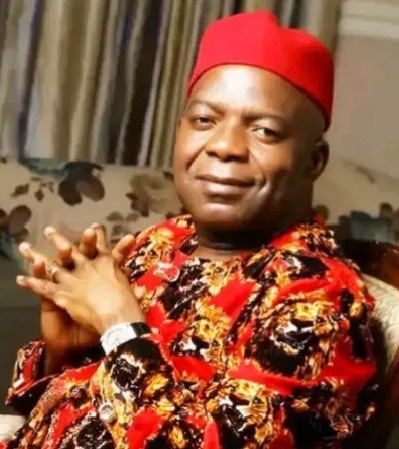
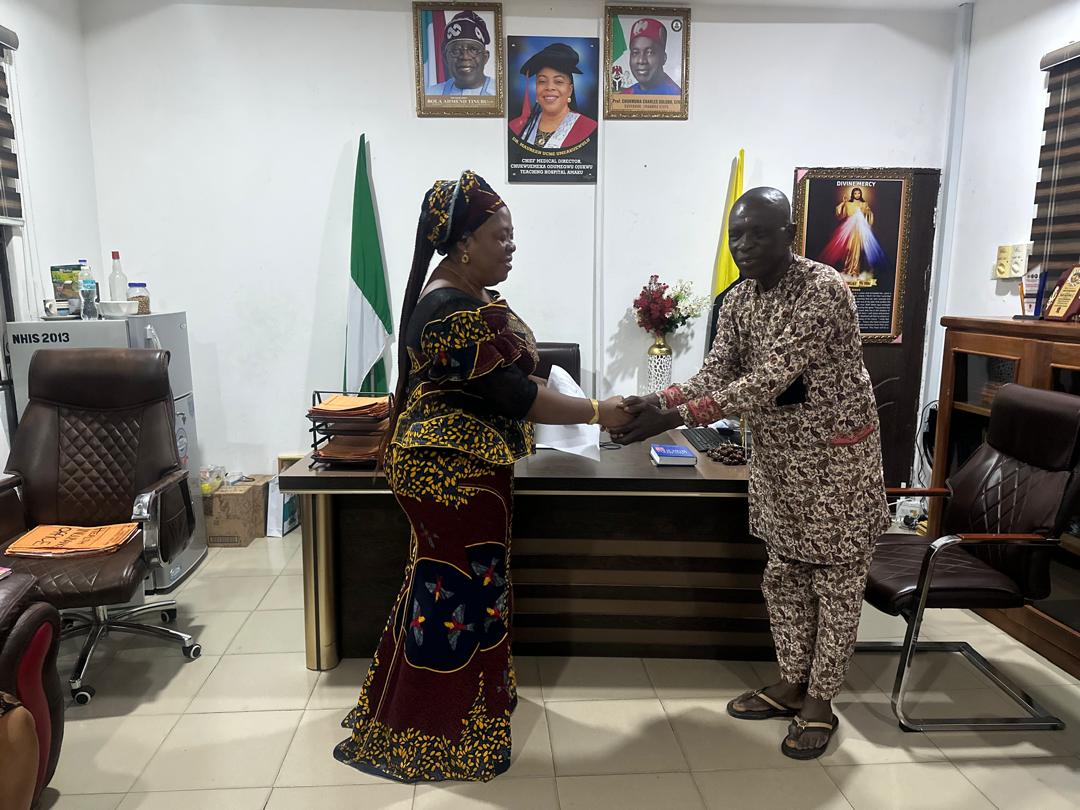
The widow who testified that Senator Uche Ekwunife built a house for her
By Titus Eleweke
There are moments when leadership transcends political positions, party affiliations and electoral ambitions.
Such moments remind us that the true essence of public service is not merely occupying political offices, making promises or seeking the support of the electorate, but touching lives, restoring hope and giving the vulnerable a reason to believe that society has not abandoned them.
One such emotional account reportedly emerged at Madonna Catholic Church, Agulu, Anambra State, where a widow from Okpu-Ifite publicly narrated how Distinguished Senator Uche Lilian Ekwunife, popularly known as Iyom, came to her rescue when she was facing the painful prospect of homelessness.
According to the widow, the intervention by Senator Ekwunife provided her with shelter at a critical moment in her life, saving her from the indignity and uncertainty of having nowhere to call home.
Her testimony was more than an expression of gratitude. It was a deeply personal account of what timely assistance can mean to someone confronted with life’s harshest realities.
For a widow struggling to maintain stability, having a roof over her head is not a luxury; it is a fundamental necessity, a source of security and an important restoration of human dignity.
Indeed, what is the meaning of leadership if it cannot respond to the cries of the vulnerable? What is the value of political power if it cannot be translated into practical interventions that improve the lives of ordinary citizens?
The widow’s account raises an important question about the responsibilities of those who aspire to represent the people: should public service be measured only by political speeches, campaign promises and elaborate manifestoes, or should it also be judged by the lives transformed through acts of compassion and intervention?
For Senator Ekwunife, her supporters have consistently pointed to her record of grassroots philanthropy, empowerment initiatives, assistance to vulnerable individuals and interventions in communities as evidence of her commitment to human welfare.
While political activities and charitable interventions may sometimes attract different interpretations, particularly during periods of heightened political mobilisation, the personal significance of assistance received by a beneficiary should not be dismissed merely because the benefactor is a politician.
A widow who has regained shelter, security and peace of mind has a legitimate reason to be grateful.
Her experience deserves to be considered on its own merit, rather than reduced to the calculations of partisan politics.
It was therefore understandable that, following her testimony, the beneficiary openly declared her support for Senator Ekwunife and appealed to other women to identify with the senator’s political aspirations.
Her declaration may be viewed within the broader political atmosphere ahead of the 2027 general elections, but it also demonstrates an important political reality: people are often influenced not only by what politicians promise to do but also by what they have experienced through their interventions.
For Anambra Central, the forthcoming senatorial contest should provide an opportunity for voters to interrogate the records, competence, accessibility, legislative contributions and capacity of those seeking their mandate.
The people deserve representation that goes beyond election-season appearances. They deserve a senator who understands the challenges of ordinary families, listens to community concerns, supports vulnerable citizens and recognises that the ultimate purpose of political office is public service.
Senator Uche Ekwunife’s aspiration to return to the Senate under the platform of the All Progressives Congress (APC) should therefore be subjected to the same democratic scrutiny as every other political ambition.
Her supporters have every right to present her interventions and achievements as part of the argument for her candidacy, while the electorate retains the responsibility to make an independent and informed choice.
However, one lesson from the widow’s testimony is difficult to ignore: sometimes, the most powerful evidence of compassion is not found in political advertisements or campaign slogans but in the voice of an ordinary person whose life has been positively touched.
A widow who once feared homelessness now has a different story to tell. That is the human dimension of the account, and it deserves recognition.
Ultimately, leadership should be about humanity before politics, service before personal ambition and the welfare of the people before the pursuit of power.
As the 2027 senatorial election approaches, the people of Anambra Central must demand purposeful representation, accountable leadership and a demonstrable commitment to their collective welfare.
For those who believe in her political vision, Iyom Uche Ekwunife’s record of grassroots engagement and reported humanitarian interventions provides a platform upon which they can make their case.
Because, at the end of the day, the greatest legacy of leadership is not the political office one occupies, but the positive difference one makes in the lives of the people.