

Umuokpeyi: Abia Community Cut Off by Erosion, Begging for a Road
The food was ready. The truck was loaded. Bags of rice, cartons of spaghetti, jerrycans of vegetable oil, and cartons of tomato paste were packed tightly for the widows, widowers, and less privileged residents of Umuokpeyi-Umuobasiukwu in Ozuitem Autonomous Community, Bende Local Government Area of Abia State.
But between the Machiani Foundation for the Needy and Community Development and the people it came to feed stood one obstacle no donation could overcome: a road swallowed by gully erosion.
What should have been a one-hour outreach trip from Umuahia, the Abia State capital, turned into a 10-hour test of endurance for the Foundation’s Coordinator, Mrs Peace Ezeka, and her team.
The journey ended not with applause, but with a broken-down bus, a night spent sleeping on village mats, and children watching from the bushes because there is no classroom for them to run to in the morning.
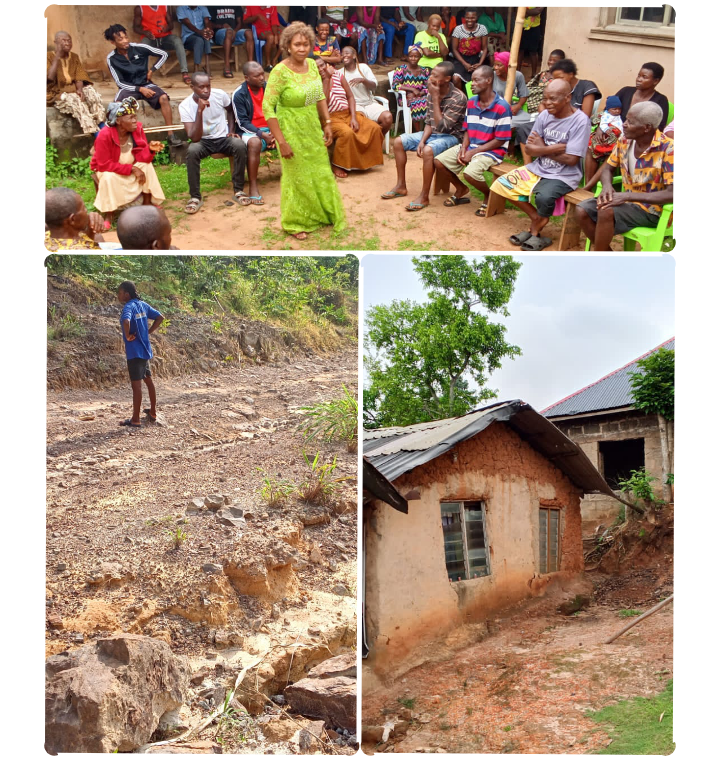
Umuokpeyi sits just off the Uzuakoli–Bende/Arochukwu Road in Ozuitem Autonomous Community, Bende LGA. On the map, it appears close. On the ground, it feels like another country.
This is fertile agrarian land. When the rains come, the soil yields citrus fruits that stain fingers orange, mangoes heavy enough to bend branches, pineapples, cassava, maize, yam, and palm produce.
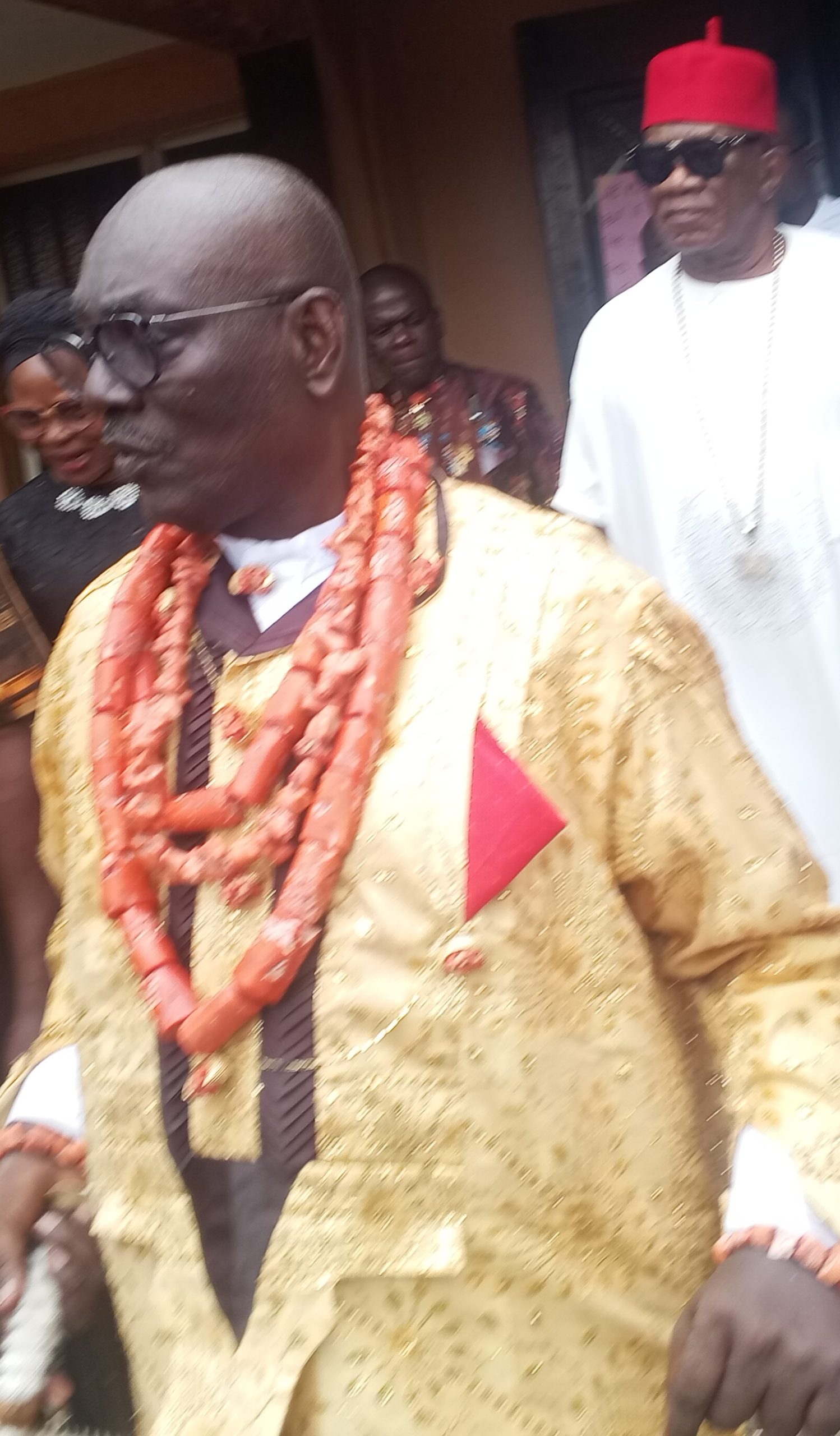
Chief Ogbonna Chikezie, an octogenarian and community leader, put it plainly:
“We are an agrarian community. We produce cassava, maize, yams, vegetables, palm oil, and others. But when it rains, by the time we get to the market, it has already closed.”
The produce rots because the road fails first.
The only alternative is worse. A local bridge has collapsed completely, cutting Umuokpeyi-Umuobasiukwu off from Umuahia and neighbouring communities.
Residents grade the road themselves during the dry season. The next rainfall washes away their efforts.
To date, there is no electricity, no school, no healthcare facility, no potable water, and no accessible road.
The Machiani team left Umuahia with hope but arrived in fear.
“We had a lot of challenges. The road to this community was so bad because of gully erosion,” Ezeka recalled, her voice still carrying the weight of that night.
“Our bus broke down on the road. We were stranded for several hours. We had to offload all the food items.”
It was late. Rain fell heavily. The bush closed in. There were no passers-by and no vehicles. Only forest, mud, and the sound of water carving deeper into the gully.
Volunteer Mrs Okwuchi Nwaubani still shudders at the memory.
“We were surrounded by bush. We didn’t see any passers-by or vehicles. Our lives were at risk.
“Government should come to the aid of this community because they are suffering.”
The team trekked a long distance through the rain, drenched and carrying whatever they could on their heads.
Bus driver Mr Mike Ndubuisi, who has plied roads across Abia for decades, said he was stunned by the situation.
“I became frustrated, thirsty, and hungry, with no assistance while stranded in the bush for hours.
“The last time I passed here was about 15 years ago. I didn’t know the road was this bad.”
The team spent the night in the village—not by choice, but by necessity.
At dawn, the town crier’s voice cut through the silence. Word spread quickly:
“Machiani Foundation is here.”
The following morning, residents came out in large numbers. Widows. Widowers. The less privileged. Children who should have been in school uniforms stood barefoot at the edge of the crowd.
“Many of them came out, and they were happy for what we did. We too were happy that we saw them and that they came,” Ezeka said.
In collaboration with the Abia State Emergency Management Agency, the Foundation distributed rice, spaghetti, vegetable oil, salt, and spices.
For beneficiary Shadrach Nweke, a preacher from Ebonyi State, the gesture meant more than food.
“I’m overwhelmed that my name was included even though I’m not from Abia.
“The people did not segregate. My prayer is that the Foundation will be like a tree planted by the riverside.”
The natives prayed—long, fervent prayers for the Foundation. And one prayer, repeated like a chorus: that government should remember Umuokpeyi and come to its rescue.
Of all the community’s challenges, one is particularly heartbreaking.
“The children and youth cannot go to school because there is none here.
“The closest school is a very long distance away. With this road, we can’t continue to come here as an NGO,” Nwaubani said.
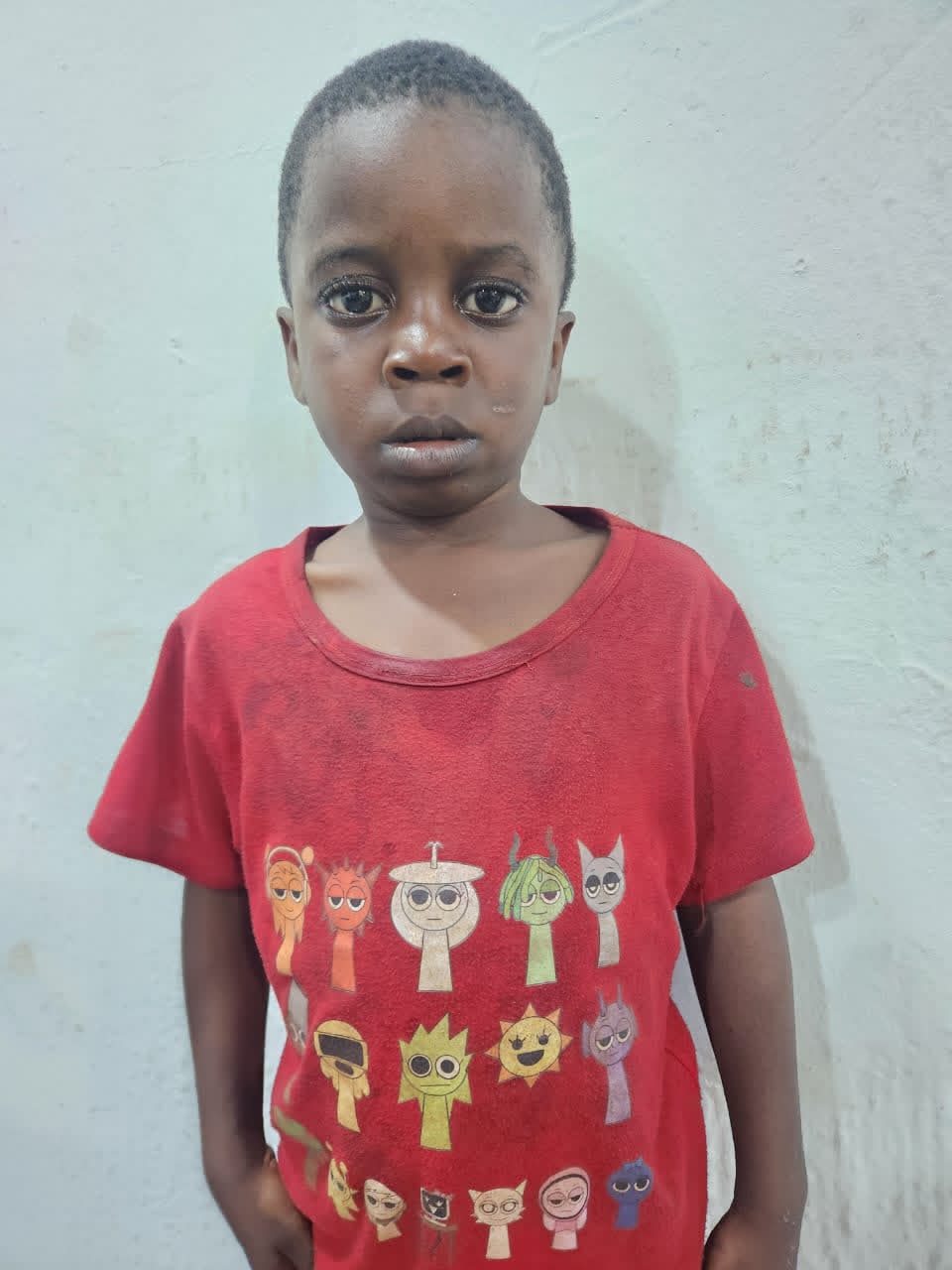
So the children play on the red earth when they should be in classrooms. They watch trucks get stuck where school buses should pass. They inherit isolation instead of opportunity.
Machiani Foundation, founded seven years ago by Mrs Mercy Ottah-Nwaubani, was built on a simple principle:
“We don’t care where you are coming from. Whoever needs help will get help.”
Its mission is clear: to feed the poor, empower women and girls, provide skills acquisition opportunities, and advocate for justice.
But the cost is personal. There is no external donor support.
“It’s the founder, Mrs Mercy Ottah-Nwaubani, who has been funding most of the activities. Even now, we are still owing the young man who helped us carry the items after the vehicle broke down,” Ezeka admitted.
Her appeal is both simple and urgent.
“I would like to see more foundations come up. When you give somebody something, you have added life to that person.
“If we come today, another NGO should come in the next two months. Then the people will say, ‘Ah, we too will not die; we will be alive to eat.'”
Until the road is restored, Umuokpeyi-Umuobasiukwu remains what it is today: rich in agricultural produce, poor in access, and waiting.
A community that feeds others but cannot provide its children with access to education. A people who pray for strangers willing to risk their lives to reach them while pleading with government to remember that they exist.
The gully took the road. It must not be allowed to take the future.