



2027: Ejiofor Warns Nigerians Against Repeating Electoral Mistakes
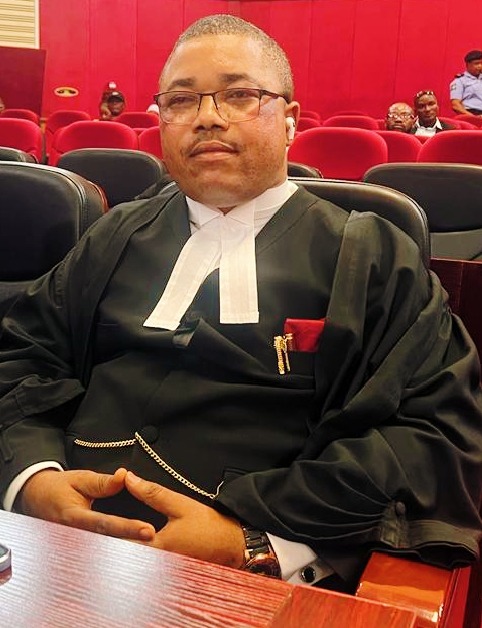
Sir Ifeanyi EJIOFOR
By Titus Eleweke
An Anambra-born Nigerian human rights lawyer and lead counsel to the Indigenous People of Biafra (IPOB), Sir Ifeanyi Ejiofor, has expressed concern over growing public disillusionment and the apparent absence of the mass enthusiasm that characterised previous electoral cycles as political campaigns gather momentum ahead of the 2027 general elections.
He said the declining enthusiasm raised questions about Nigerians’ confidence in political leadership and the electoral process.
In a commentary on Saturday titled “2027: The Season of Grand Illusions and Unfulfilled Promises,” Ejiofor observed that the usual displays of political solidarity, including supporters travelling long distances to demonstrate allegiance to presidential candidates, appeared to be fading.
He noted that Nigerians who previously travelled from Lagos to Abuja or from Maiduguri to the nation’s capital to support candidates they believed could rescue the country from economic hardship now appeared less enthusiastic.
According to him, the unusual silence could reflect growing political disillusionment, diminished enthusiasm or declining confidence in the electoral process.
Ejiofor, who holds the traditional title of Dunu-Ezeugosinachi, said his primary concern was the plight of ordinary Nigerians who continued to hope for a better country and believed their votes would count, despite emerging concerns about electoral credibility.
He cited recent concerns over images of voters reportedly published on the Independent National Electoral Commission (INEC) portal, which sparked speculation about possible artificial intelligence manipulation.
However, he noted that the commission had yet to provide an official clarification as of the time of his commentary.
The lawyer said the unfolding political season had once again become a period of extravagant promises, with candidates seeking various elective offices making commitments that appeared disconnected from the economic realities confronting the electorate.
He observed that politicians routinely promised massive road construction projects, employment for unemployed graduates and sweeping transformations within their first year in office, despite the practical challenges involved in delivering such commitments.
Ejiofor also recalled the theatrical campaign declarations of some candidates who invoked God’s name and promised that voters could stone them if they failed to fulfil their electoral promises.
He questioned how Nigerians could reconcile such declarations with the unfulfilled promises made during previous election campaigns, particularly the 2023 presidential campaign pledge concerning uninterrupted electricity supply.
According to him, the condition upon which voters were urged to deny a second-term mandate appeared to have been forgotten as politicians returned with fresh promises.
The human rights lawyer lamented that political amnesia was not limited to politicians, arguing that some sections of the electorate also appeared unwilling to hold their leaders accountable for previous commitments.
Recounting his experience watching campaign activities on local television stations, Ejiofor said he was amused by some of the promises being made to economically distressed Nigerians, many of whom attended political rallies in the hope of receiving financial assistance to meet their immediate needs.
He questioned whether politicians understood the hardship confronting the people they addressed, noting that campaign promises often appeared to come from leaders disconnected from the realities of high living costs, unemployment and inadequate electricity supply.
“Perhaps they campaign from a different planet, where electricity is uninterrupted, food is affordable and unemployment is merely a statistical inconvenience,” he remarked.
Ejiofor warned that Nigerians risked repeating past electoral mistakes if they continued to accept campaign promises without demanding evidence of their fulfilment.
Invoking the proverb “once bitten, twice shy,” he argued that the electorate must learn from previous experiences and critically examine the records of political officeholders before entrusting them with another mandate.
He urged voters to demand verifiable records, measurable commitments and demonstrable accountability from candidates seeking public office.
According to him, campaign grounds should not become platforms for politicians to manufacture unrealistic expectations while voters applaud without asking questions.
“Democracy is not sustained by campaign rhetoric, emotional spectacles or the distribution of a few banknotes to hungry citizens. It is sustained by the willingness of the electorate to hold those entrusted with public power accountable,” he said.
Ejiofor called on Nigerians who believed in the power of the ballot to critically assess candidates’ records and promises before making their electoral choices.
He cautioned that voters who failed to interrogate the promises of prospective leaders risked facing another cycle of disappointment and unfulfilled expectations.