





Otti Secures Hundreds of Millions of Dollars to Revive Abia’s Oil Palm Industry
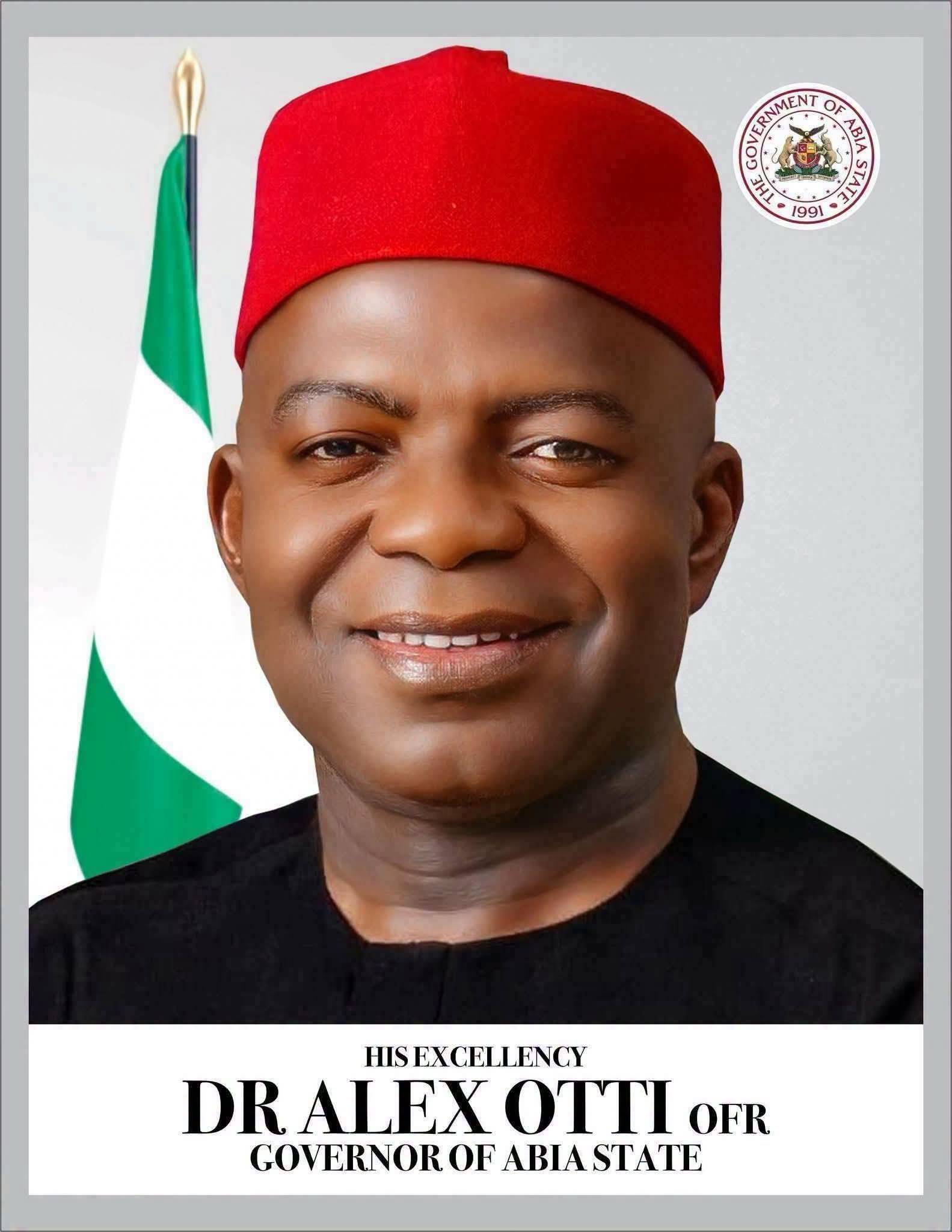
Abia State Governor, Dr Alex Otti,
By Titus Eleweke
Abia State Governor, Dr Alex Otti, has disclosed that his administration has secured investment commitments worth hundreds of millions of US dollars from investors seeking to revive the state’s agricultural value chain, particularly oil palm production.
Otti said the investments were part of efforts to move Abia beyond subsistence farming, create jobs, diversify the economy and increase government revenue by harnessing the state’s agricultural potential.
The governor made the disclosure on Thursday, while delivering an address at the third Dr Michael Iheonukara Okpara Lecture and Founder’s Day celebration of Michael Okpara University of Agriculture, Umudike, Abia State.
He said the state government had, over the past two years, reached an understanding with groups of investors who had committed to investing hundreds of millions of dollars in agriculture, with particular emphasis on the oil palm value chain.
According to him, the initiative draws inspiration from the agricultural transformation recorded during the administration of Dr Michael Okpara, the former Premier of the defunct Eastern Region, whose investments in oil palm plantations helped drive economic growth, employment and foreign exchange earnings.
Otti lamented that many of the agricultural assets established during the Okpara era had declined because of years of neglect, despite their potential to contribute significantly to economic prosperity.
He challenged policymakers, agricultural experts and the university community to develop effective strategies for reviving the plantations, expanding production and transforming the sector into an engine of national development.
The governor described Okpara’s administration as a model of visionary leadership, noting that its achievements continued to attract recognition more than six decades after his departure from office.
He said the enduring relevance of Okpara’s legacy demonstrated that the true influence of a leader was measured by the lasting impact of their ideas and policies on the lives of the people.
According to Otti, leadership should be defined by bold initiatives that improve people’s living conditions, empower communities and establish a solid foundation for future generations.
He argued that Nigeria had fallen short of the development benchmarks established during Okpara’s administration, blaming the country’s setbacks partly on military interruptions, electoral malpractice, political violence and the actions of politicians who undermine the democratic process.
The governor urged Nigerians, particularly students and young professionals, to participate actively in public affairs and resist the temptation to withdraw from politics and public service.
He stressed that citizens must protect their voting rights and insist that their votes count in choosing leaders whose policies determine their social and economic realities.
Otti also called for greater attention to agriculture as a driver of economic growth, pointing to the employment opportunities, foreign exchange earnings and entrepreneurial activities generated by investments in the sector during the Okpara era.
He said the annual lecture series provided an opportunity to examine leadership, rethink national priorities and explore practical ways of harnessing agriculture for economic development.
The third edition featured the theme, “Leveraging Technology in Agriculture,” with Mr Seyi Ebenezer delivering the guest lecture.
The governor commended the university’s Vice-Chancellor, Professor Ursula Ngozi Akanwa, for sustaining the lecture series in honour of Okpara, whose leadership philosophy, he said, continued to inform his administration’s governance approach in what he described as the New Abia.
He reaffirmed the state government’s commitment to supporting the initiative and congratulated the university on its Founder’s Day celebration.
Otti’s announcement comes amid renewed calls for agricultural investment and economic diversification, with the planned revival of the oil palm sector offering Abia an opportunity to rebuild a productive agricultural economy and create employment across the value chain.