

Ebonyi Sustains Increase in Child Malnutrition Over Three Years, Says UNICEF
From Nabob Ogbonna, Abakaliki
- The United Nations Children’s Fund (UNICEF) on Monday revealed that Ebonyi State has consistently recorded rising rates of malnutrition among children under the age of five for the past three years.
This information is contained in the 2024 National Demographic and Health Survey (NDHS) report, which indicates a 32 percent prevalence rate, compared with 20.6 percent in 2015 and 25 percent in 2018.
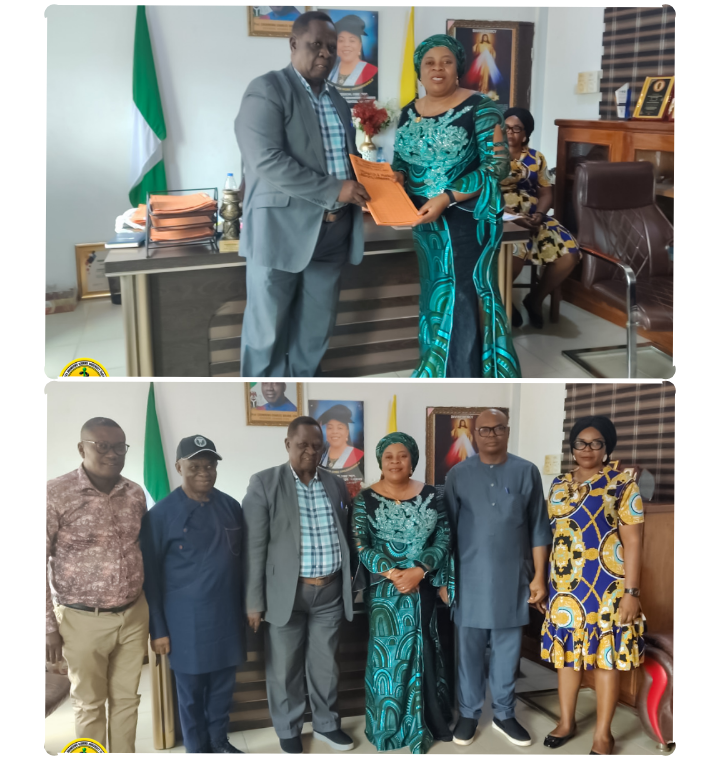
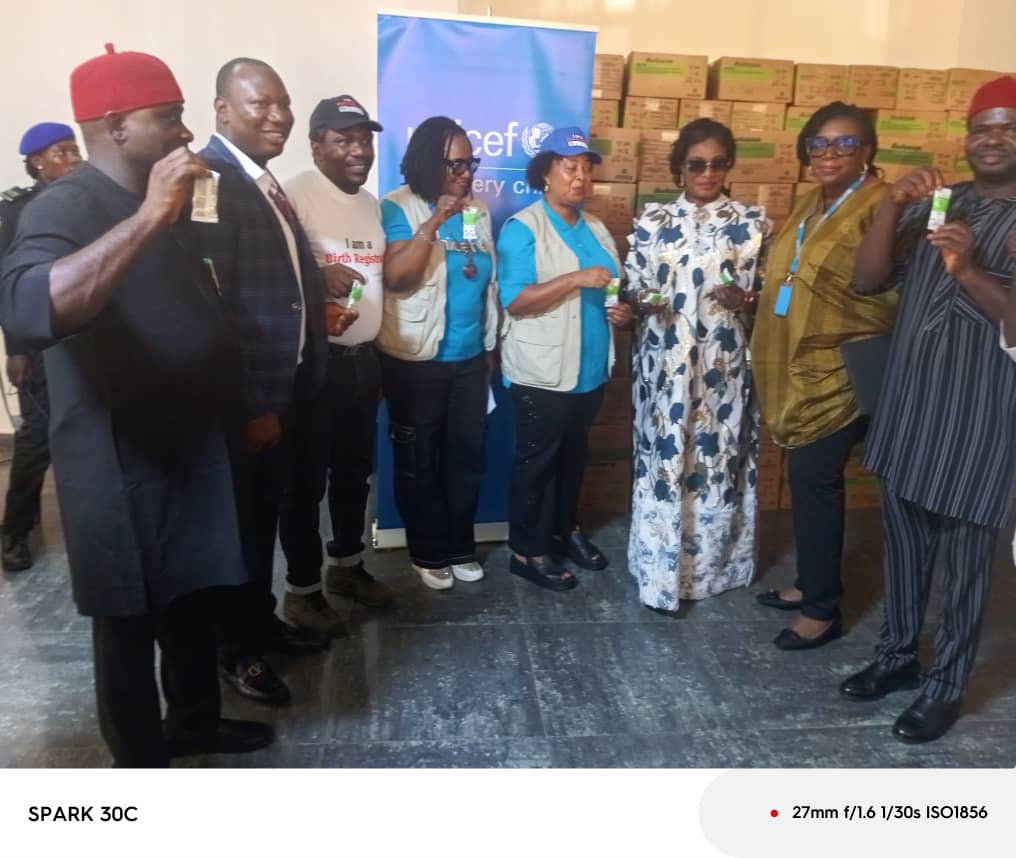
The Chief of UNICEF’s Enugu Field Office, Juliet Chiluwe, made this known in Abakaliki during the official handover of Small Quantity Lipid-Based Nutrient Supplements (SQ-LNS) to the state government.
“UNICEF is calling for immediate action to reverse this trend. These increasing rates underscore the urgency of scaling up evidence-based interventions like SQ-LNS, especially in priority states,” Chiluwe said.
She explained that the SQ-LNS supplement is a high-impact nutritional product designed to prevent stunted growth and micronutrient deficiencies among children aged six to 23 months—a critical developmental window within the first 1,000 days of life.
“With proper deployment through primary healthcare platforms and community structures, these supplies will significantly improve child growth, immunity, cognitive development, and overall survival in Ebonyi State,” she added.
Chiluwe noted that the handover was made possible through the Child Nutrition Match-Fund (CNF) Project, a co-financing mechanism that promotes shared responsibility between government, UNICEF, and development partners.
According to her, “The Ebonyi State Government contributed ₦150 million, which was matched by UNICEF, resulting in the procurement and delivery of 2,832 cartons of SQ-LNS for use across the 13 local government areas in the state.”
She commended the state government’s leadership and commitment to nutrition financing, noting that Ebonyi’s effort sets an example for other sub-national governments in Nigeria to emulate.
Chiluwe further urged the government to ensure efficient last-mile distribution of the supplements to appropriate health facilities and communities, particularly those in rural and hard-to-reach areas. She also emphasized the need for strong accountability systems, continuous community sensitization, and sustained budgetary commitments toward ending child malnutrition.
Responding, the state governor, Francis Nwifuru, assured the public of his administration’s readiness to sustain efforts to eradicate child malnutrition in Ebonyi.
“Today, we are flagging off these facilities that we are taking charge of. It is a very good development because we all know that any child who is malnourished will suffer stunted growth. But with this intervention, I assure you, we will fight it to zero level,” he said.
Nwifuru, represented by the Deputy Governor, Mrs. Patricia Obila, added that the state would adopt community sensitization and field engagement strategies similar to those used in the successful eradication of polio.
She advised that the National Orientation Agency (NOA) should be included in the project to engage communities and educate them on the importance of a balanced diet.
