

Nigerian Bridges on the Brink of Collapse — Professionals Raise Alarm
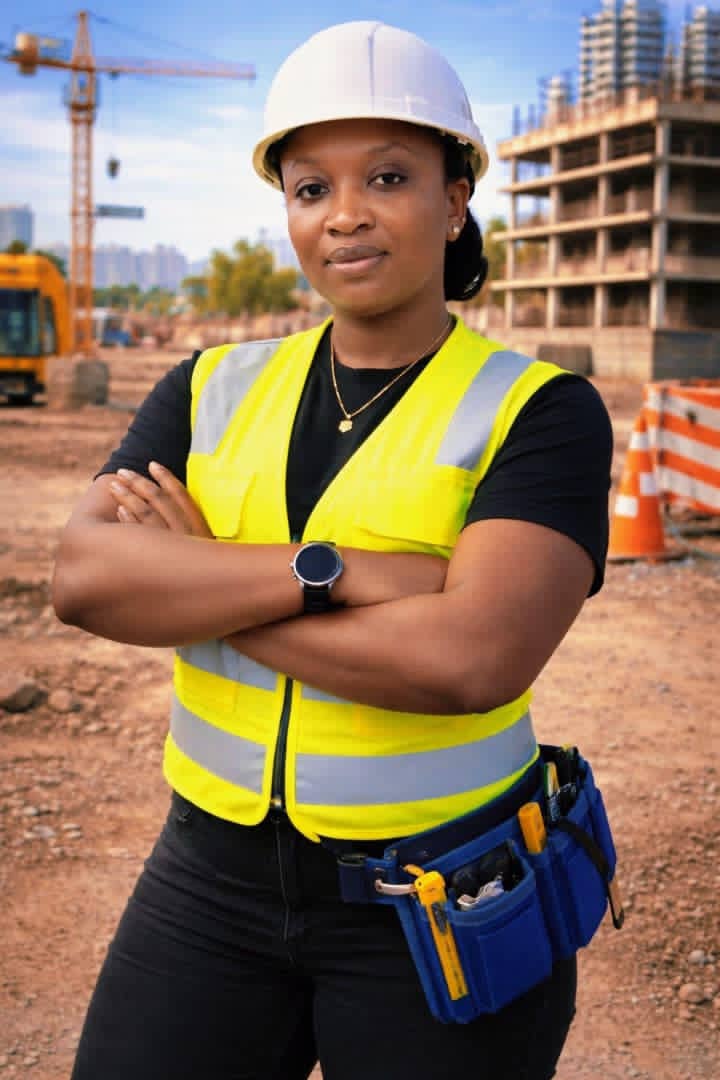
Engr. Patience Aningo
By Our Corespondent
There are growing fears that many bridges across Nigeria are on the verge of collapse, following what professionals in Civil Engineering have described as poor maintenance culture by government authorities.
The professionals further alleged that construction standards and quality were compromised in the execution of some bridges, despite the huge sums budgeted for their construction.
Speaking on behalf of the professionals, Engr. Patience Aningo, in a paper titled “A Warning Beneath Our Wheels: Nigerian Bridges Need Attention,” presented to newsmen, contended that unless urgent and decisive measures are taken to save the nation’s bridges, the consequences for the country’s highways would be catastrophic and would severely affect Nigeria’s socio-economic development.
According to her:
“When bridges fail, the impact goes far beyond traffic delays; it affects livelihoods, economic productivity, and public safety.”
“The way forward is clear. Nigeria must shift from reactive repairs to preventive maintenance.”
Aningo, a Structural Engineer in Heavy Civil Construction specializing in High-Performance Concrete and Infrastructure Systems, warned that several bridges carrying more than 100,000 vehicles daily had been pushed beyond their intended capacity and now require urgent intervention.
She noted that:“If Nigeria is serious about development and public safety, then maintaining our bridges must become a national priority.”
She further explained that the deeper issue lies in the constant movement of heavy-duty vehicles on bridges originally designed decades ago for lighter traffic volumes.
“For example,” she said, “the original River Niger Bridge and several other major bridges across the country are aging under increasing pressure due to population growth, urban expansion, and heavier vehicular loads.”
According to Aningo, one of the greatest challenges is the absence of reliable inspection data.
“Routine inspections, which should serve as an early warning system, are inconsistent or poorly documented. Without reliable data, engineers cannot make timely decisions, and this allows small defects to grow into major structural concerns.”she added.
She cited the closure of sections of the Third Mainland Bridge in September 2020 for emergency repairs as a major warning sign.
“That incident was not an isolated case; it was a warning. The lesson from the Third Mainland Bridge is simple: waiting until infrastructure shows visible signs of distress is already too late.”
She lamented that repairs are often carried out only after visible defects such as cracks, exposed reinforcements, and surface deterioration become severe.
“By then, what could have been a minor repair becomes a major structural problem.”
Aningo also raised concerns about construction quality and project oversight.
“Construction quality and oversight remain critical concerns. While Nigeria has skilled professionals, project execution is sometimes compromised by poor supervision, substandard materials, and weak accountability systems.” Aningo stated.
She emphasized that stricter enforcement of engineering standards is necessary to curb the growing rate of infrastructure deterioration across the country.
According to her:
“Regular inspections, proper record-keeping, and early intervention can significantly extend the lifespan of bridges and prevent costly and dangerous failures.”
She also pointed to the enormous financial implications involved in bridge construction and rehabilitation.
“Projects like the Second Niger Bridge, which reportedly cost about ₦336 billion, reflect both the importance of such infrastructure and the scale of investment required to deliver them.” she added.
She warned against allowing bridges to deteriorate due to neglect.
“Bridges are more than concrete and steel; they are lifelines that support economic activity, transportation, and daily living. Neglecting them puts millions of lives and the nation’s economy at risk.”Aningo said.
Aningo reiterated the need for a proactive maintenance culture.
“The core problem is not just aging infrastructure, but a reactive maintenance culture where repairs become a priority only after serious structural deterioration has occurred. Nigeria must adopt preventive maintenance strategies before failures happen.”sge