




EEDC vs Anambra Activist Osita Obi: Court Adjourns Hearing till May 25
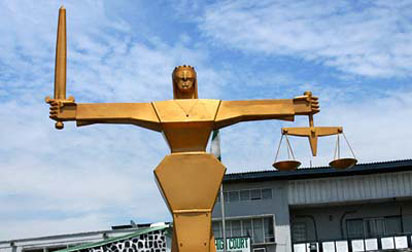
The Federal High Court sitting in Awka, Anambra State, and presided over by Justice Bala Khalifa-Mohammed Usman, has adjourned proceedings to May 25, 2026, for the hearing of a suit filed by the Enugu Electricity Distribution Company (EEDC) against an Anambra-based activist, Comrade Osita Obi.
EEDC instituted the suit against Obi, seeking N100 million in damages over actions allegedly connected to the activist’s protest against the company’s electricity distribution practices in the state in 2019.
The protest was organised over persistent epileptic power supply and other related grievances raised by electricity consumers.
At the resumed hearing on Wednesday, counsel to Comrade Obi, Mr Martin Obi, informed the court that the defence had already filed a preliminary objection challenging the jurisdiction of the Federal High Court to entertain the matter.
He added that the plaintiff had subsequently filed a response to the objection.
However, the court was further informed that the hearing notice for the proceedings had not been served on some of the parties.
Defence counsel argued that this lapse reflected a lack of diligent prosecution of the case by the plaintiff.
Following the development, the presiding judge adjourned the matter to enable all parties properly address the court on the issues raised.
Justice Usman noted that the adjournment was necessary to ensure that all parties are afforded a fair hearing in accordance with the law.
Speaking with our correspondent shortly after the court session, counsel to the first defendant, Barrister Martin Obi, maintained that the plaintiff had no sustainable cause of action against his client.
According to him, for a suit to be validly instituted, there must exist a clear and legally recognisable cause of action.
He further described the protest organised by the first defendant as a peaceful demonstration protected under the Constitution.
“The protest organised by the first defendant was a peaceful one, which is recognised and protected by the Constitution,” he said.
Barrister Obi also argued that the Federal High Court lacks the jurisdiction to adjudicate the matter, insisting that the plaintiff, being a private company, does not fall within the category of entities whose disputes fall under the court’s constitutional jurisdiction.
He cited Section 251 of the 1999 Constitution (as amended), which defines the specific and exclusive jurisdiction of the Federal High Court.
“The plaintiff is not a Federal Government agency, and the defendants are also not Federal Government agencies,”
“Unlike the State High Court, which is a court of unlimited jurisdiction, the Federal High Court is a specialised court with limited but exclusive jurisdiction clearly defined under Section 251 of the 1999 Constitution of the Federal Republic of Nigeria.”he said.