
ASTUC Gains Momentum on Women’s Representation with SIDEC
ASTUC Hosts SIDEC, Boosts Women’s Representation Drive
SIDEC Visit Strengthens ASTUC Women’s Representation Push
ASTUC Gains Momentum on Women’s Representation with SIDEC
Women’s Representation Drive Gets Lift from SIDEC–ASTUC Meet
SIDEC Backs ASTUC Push for Women’s Representation
ASTUC–SIDEC Meeting Sparks Fresh Momentum for Women’s Inclusion
Boost for Women’s Representation as SIDEC Meets ASTUC
ASTUC Advances Women’s Representation with SIDEC Support
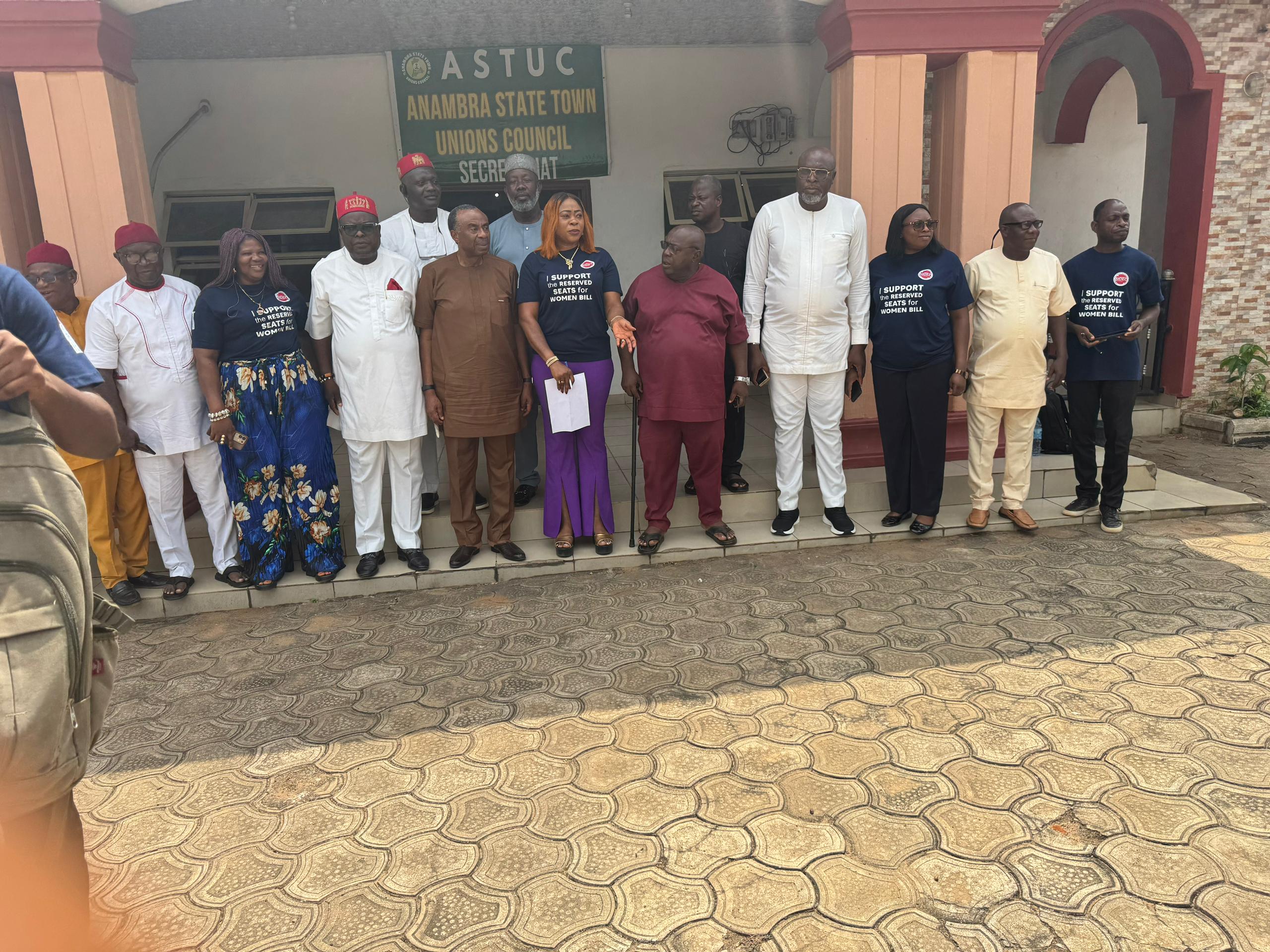
The campaign for increased women’s representation in Nigeria’s legislative chambers received a boost in Anambra State as the Anambra State Town Unions Council (ASTUC) signalled support for the proposed special seats bill.
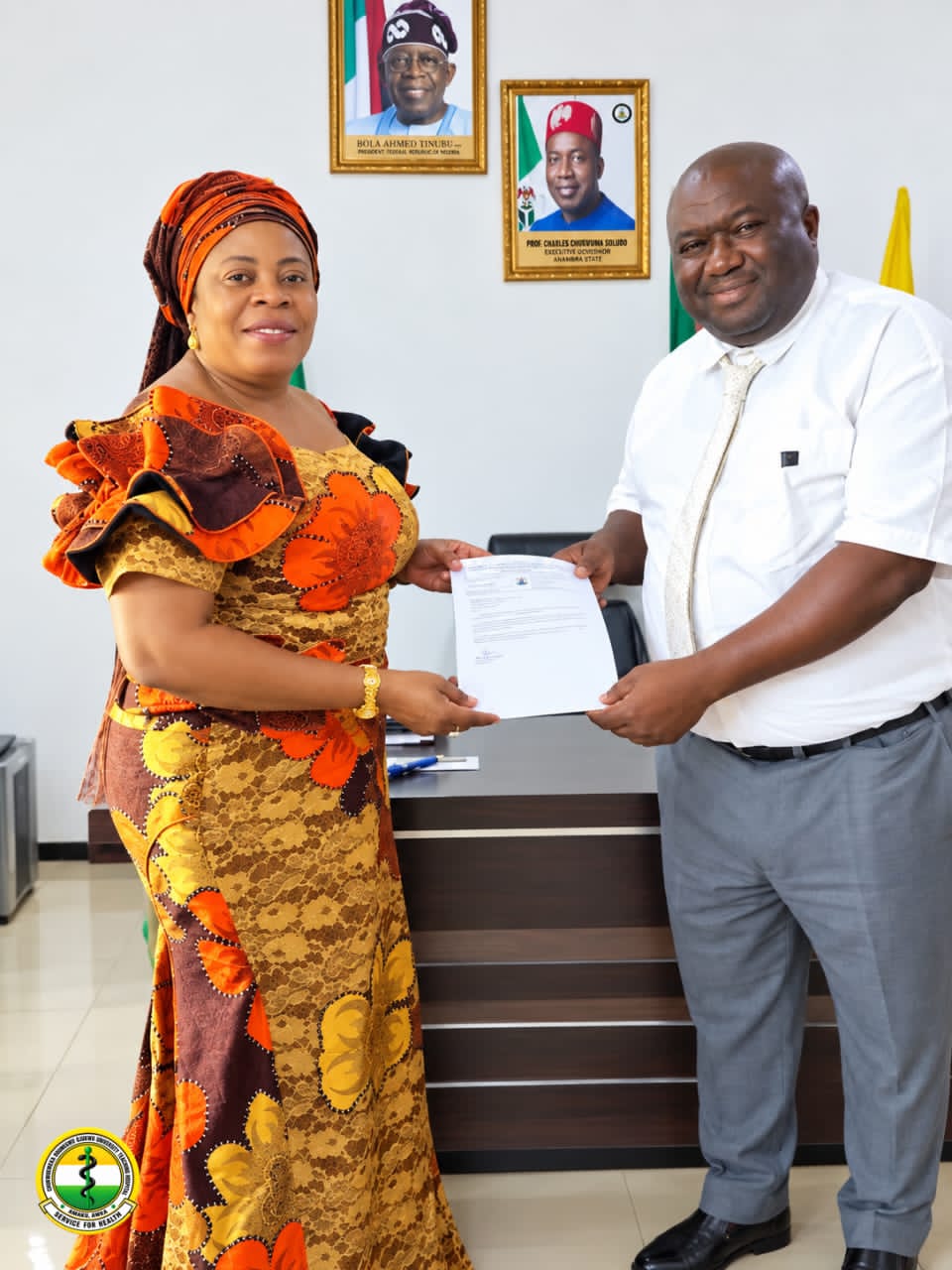
The endorsement came during an advocacy visit by the Social and Integral Development Centre (SIDEC), led by its Executive Director, Ugochi Ehiahuruike, to the ASTUC leadership.
The visit forms part of SIDEC’s Project IMPACT—Inclusive Mobilization for Participation, Advocacy, and Civic Transformation, being implemented in Anambra and Imo states in collaboration with the Civil Society Situation Room and with support from the UK Foreign, Commonwealth and Development Office (FCDO).
During the meeting, members of the ASTUC executive engaged the SIDEC team in an interactive session, seeking clarity on the structure, implementation, and implications of the proposed legislation.
The discussions centred on how the reserved seats would function within Nigeria’s existing legislative framework and whether they would affect current electoral arrangements.
Speaking after the deliberations, ASTUC President, Sir Vin Dike, expressed appreciation for the advocacy and pledged the council’s support for the initiative.
He described the proposal as a “noble project,” assuring the delegation of the council’s readiness to align with efforts aimed at improving women’s participation in governance.
Dike acknowledged that while political parties have introduced measures such as reduced nomination fees and waivers for women, such steps remain insufficient.
He stressed the need for more deliberate and structured interventions to bridge the gender gap in politics, noting that women are capable of offering quality representation across all levels of governance.
Earlier, Ehiahuruike underscored the urgency of the campaign, pointing to the low number of women in Nigeria’s legislative bodies.
She noted that women currently occupy only a fraction of seats in the National Assembly and state legislatures, a situation the proposed constitutional amendment seeks to address.
According to her, the bill proposes the creation of 108 additional seats for women, including: 37 in the Senate, 37 in the House of Representatives and 3 in each State House of Assembly.
She explained that the additional seats would complement existing ones, with candidates still emerging through elections.
Ehiahuruike also disclosed that while the House of Representatives is largely comfortable with the proposal, some senators have suggested a modified arrangement of two additional seats per geopolitical zone.
The SIDEC Executive Director emphasized that expanding women’s participation would promote inclusivity, improve governance outcomes, and ensure that diverse societal interests are adequately represented.
She referenced experiences from countries such as Kenya, Uganda, Rwanda, and Tanzania, where similar policies have led to significant improvements in women’s political participation.
She called for sustained stakeholder engagement, noting that the bill would require a two-thirds majority in the National Assembly and endorsement by at least 24 State Houses of Assembly to become law.
With ASTUC’s backing, the advocacy for special legislative seats for women continues to gather momentum in Anambra, as proponents intensify efforts to build consensus ahead of legislative consideration.