
Recurring Floods Rock Commissioners’ Quarters, Putting Charles Soludo in Spotlight
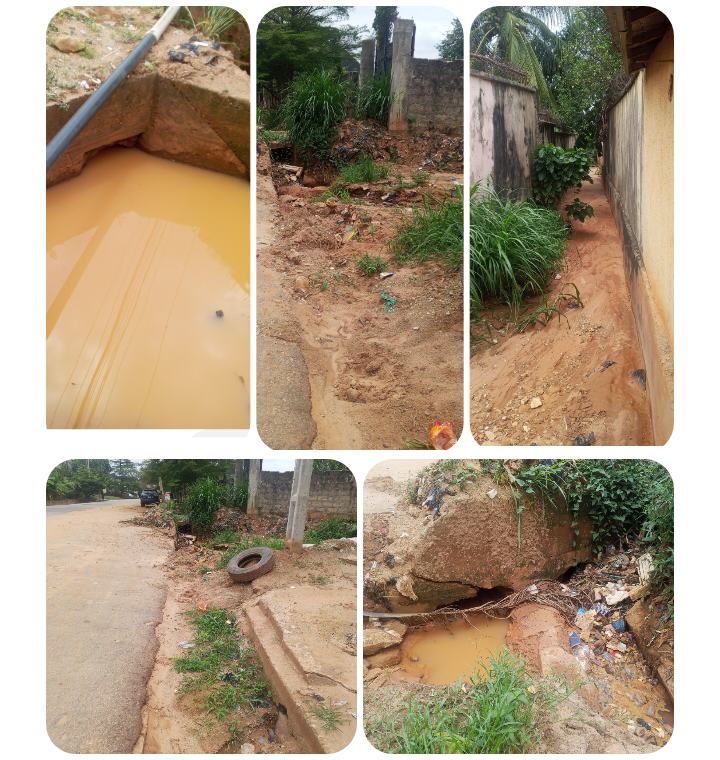
As the rainy season begins, the Anambra State Government, under the leadership of Charles Soludo, must take immediate and decisive action to address the persistent flooding at the Commissioners’ Quarters in Ifite-Awka.
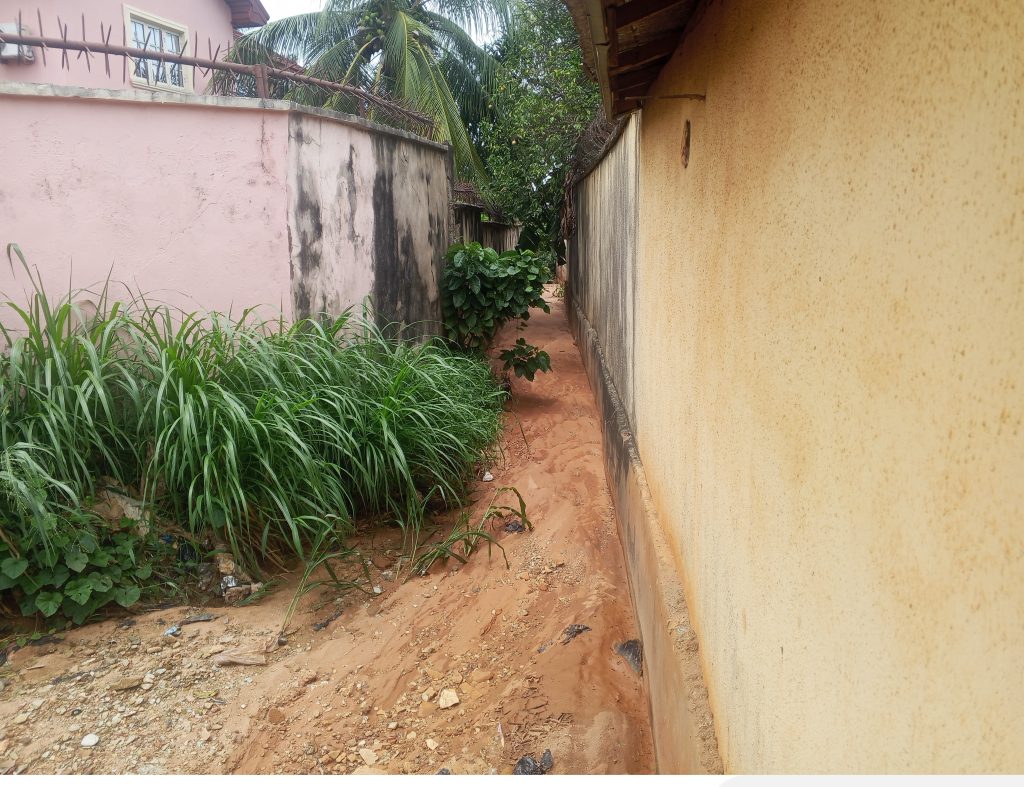
River turned to backyard
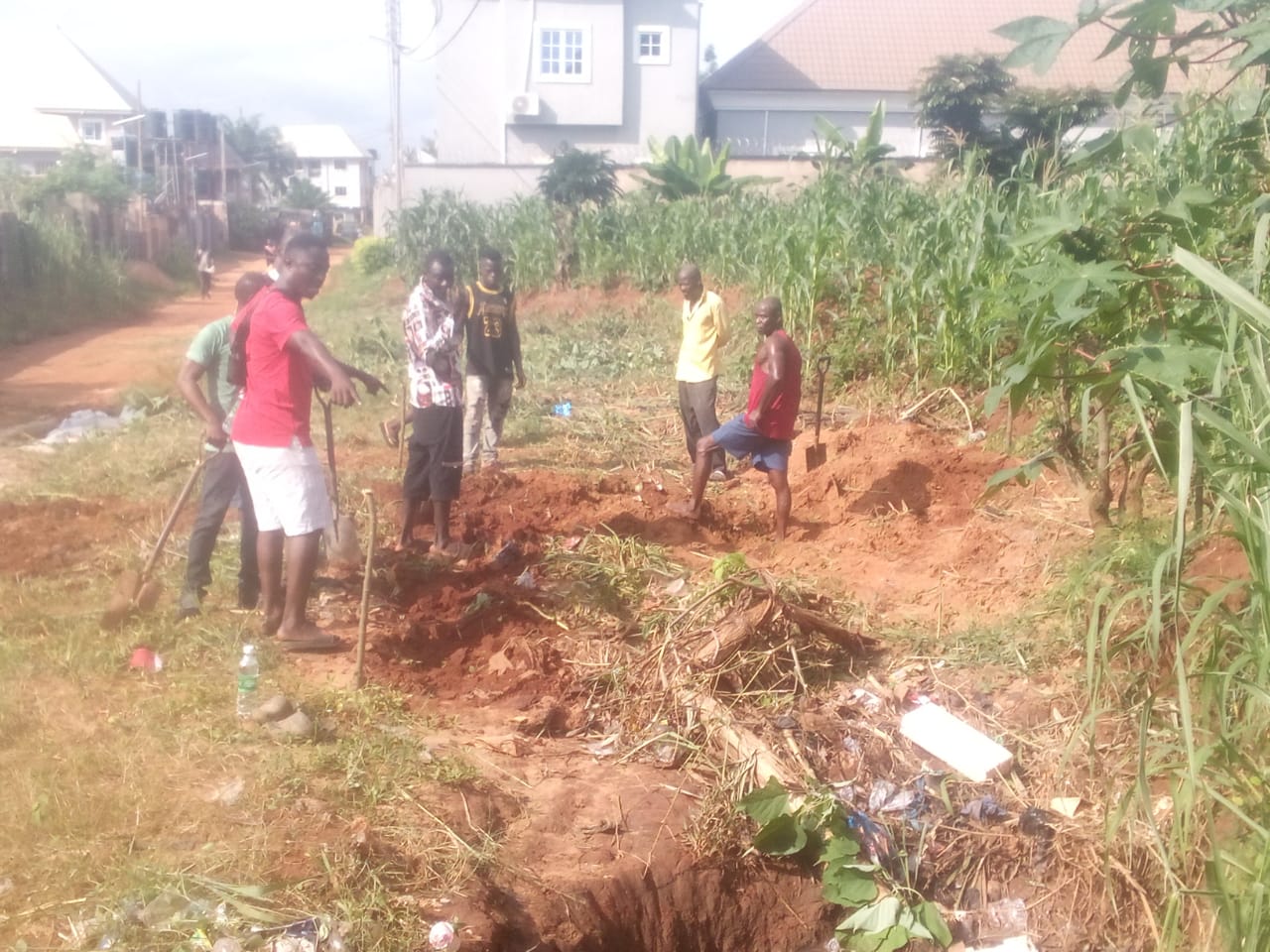
At the heart of the problem is the obstruction of a natural water channel within the area.
Over time, construction activities have encroached upon and blocked this channel, preventing the free flow of water.
Consequently, rainwater runoff accumulates rapidly during downpours, overwhelming the already inadequate drainage system.
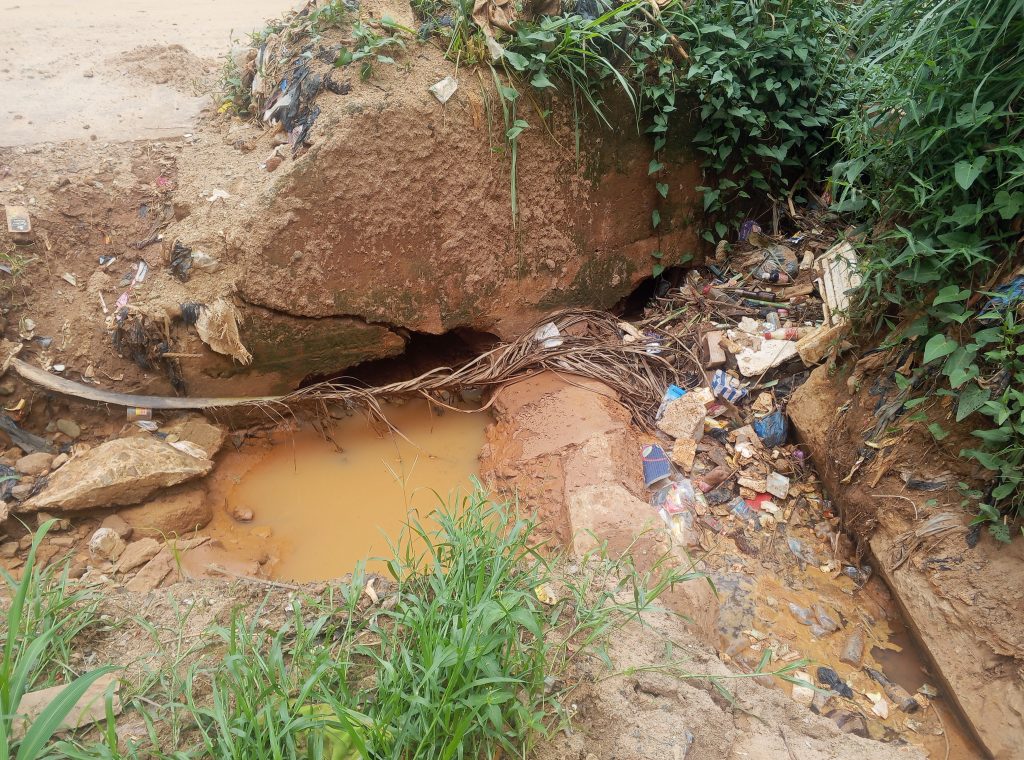
Blocked channel
Water inevitably finds its course; without restoring this natural pathway, flooding will remain a recurring crisis.
Meaningful intervention cannot occur without first reopening and properly reconstructing the blocked waterway to ensure efficient drainage.
It is therefore troubling that some government agencies continue to fine residents for allegedly obstructing drainage systems when the fundamental cause lies in structural failure and disrupted natural flow.
Investigations by insideoutnewsng.com revealed that roadside traders were fined ₦100,000 and instructed to clear nearby gutters. Despite complying, the gutters became clogged again after a single rainfall an outcome that underscores the systemic nature of the problem rather than any negligence on the part of residents.
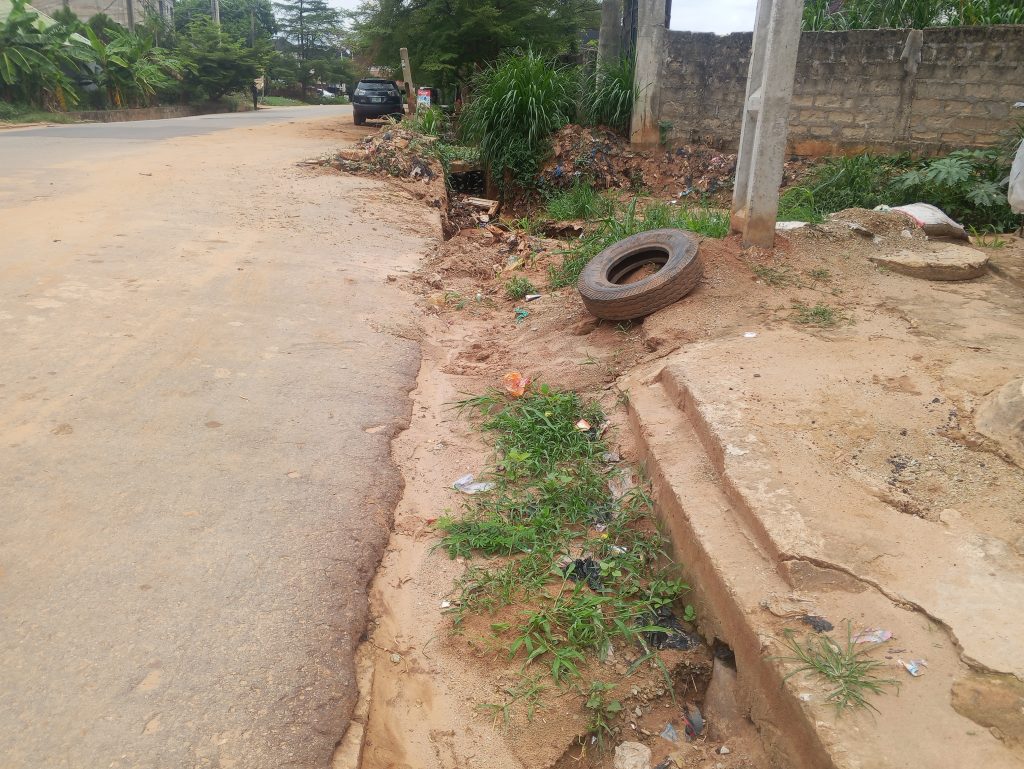
Blocked gutter
Equally concerning is the deplorable state of the road leading to the official residence of the Deputy Governor, as well as the homes of other prominent individuals in the area.
That such a critical location remains prone to recurrent flooding highlights significant lapses in urban planning and infrastructure management. This situation is not only embarrassing but also poses a serious public safety concern.
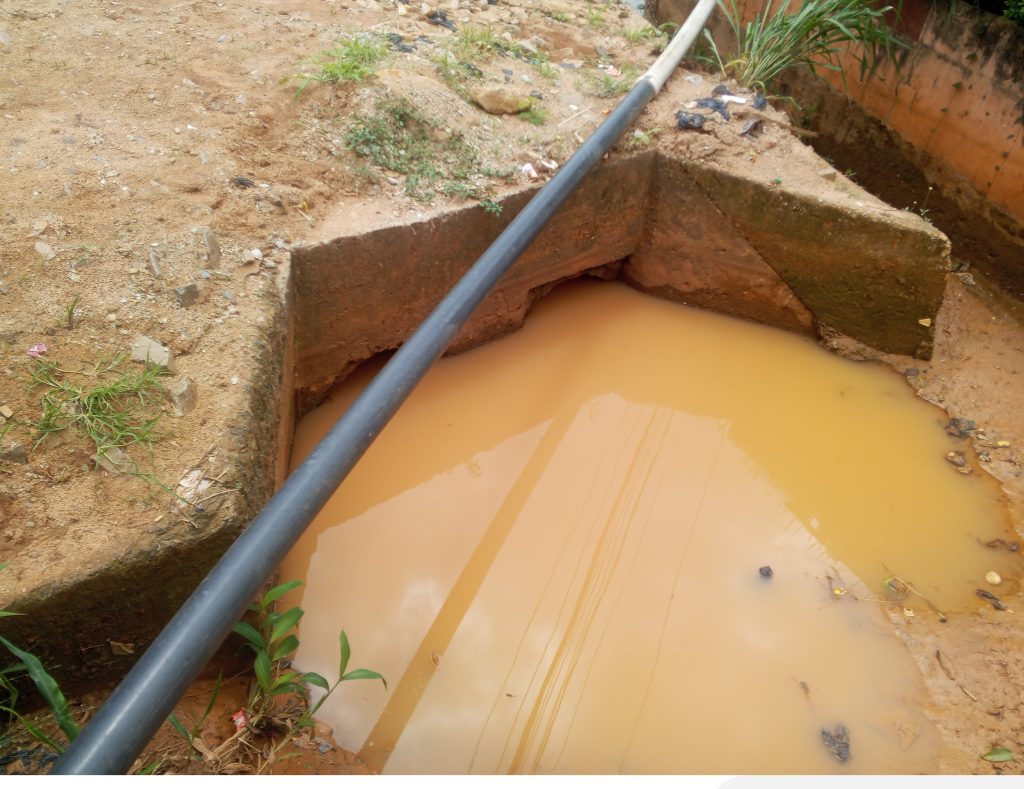
Ideally, an area as strategically important as the Commissioners’ Quarters,home to high-ranking government officials should exemplify functional infrastructure. Instead, its current condition underscores the urgent need for the governor to appoint competent, accountable, and responsive officials who are genuinely committed to realizing the vision of a “Smart Anambra,” rather than perpetuating systemic inefficiencies.
A structural engineer, Engr. Solomon Ikechukwu, attributes the flooding to rapid urbanization in the area.
According to him, increased development has significantly raised the volume of surface runoff during rainfall, carrying debris that overwhelms the existing drainage infrastructure.
He noted that the road was originally constructed during the military era and later rehabilitated under the administration of Peter Obi. However, the drainage system was not expanded to match the growing volume of water resulting from intensified development.
Rather than being upgraded, the drainage channels have remained undersized, rendering them incapable of handling current water flow. Engr. Ikechukwu recommends the construction of larger drainage systems designed to accommodate present realities.
He further suggests gutters with a minimum height of 1.5 meters and a width of 1.6 meters, complemented by proper cross-drainage connections to facilitate water movement across the road.
According to him, access to the area becomes extremely difficult whenever it rains.
Residents corroborate these concerns.
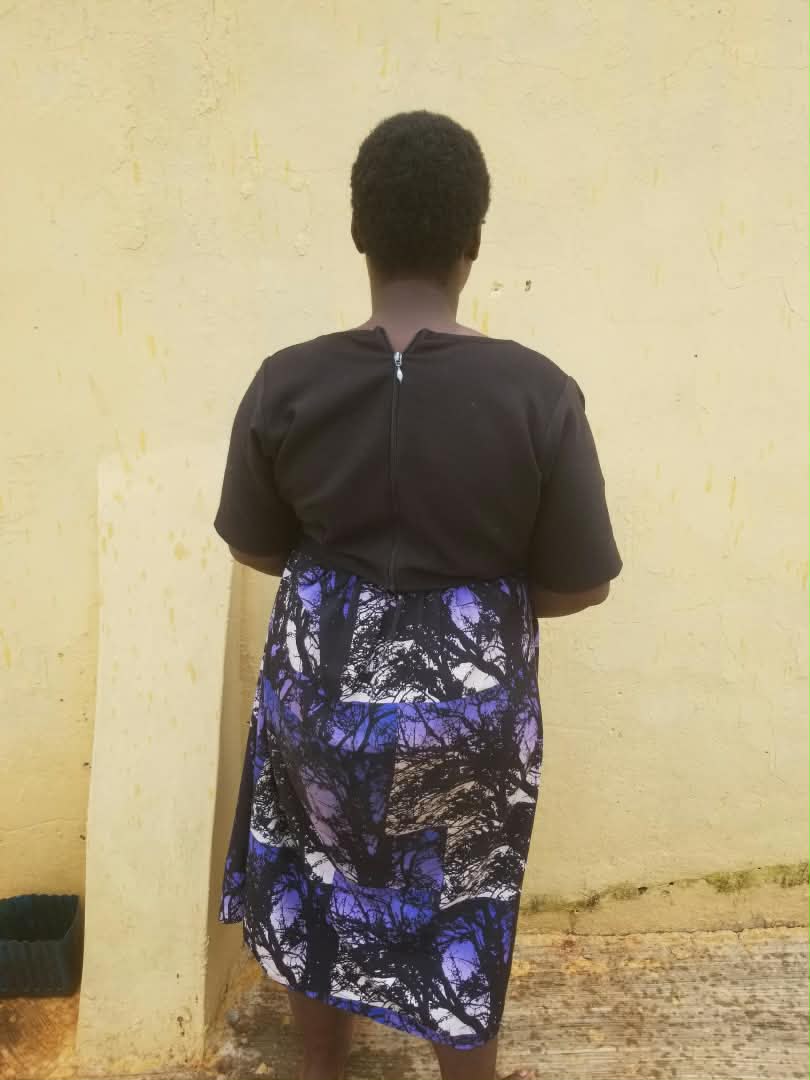
A nursing mother, who preferred anonymity, confirmed that flooding occurs with every rainfall. She explained that residents have repeatedly cleared the drainage channels twice in March alone—yet the gutters become blocked again almost immediately after rain.
According to her, the issue is not caused by residents but by poor planning and structural defects.
Blocking natural water channels without providing alternative pathways, she stressed, is the primary driver of the flooding.
Until the drainage system is properly reopened and reconstructed, the situation will persist.
A security officer in the area, Mr. Maxwell Igbonekwu, echoed this view, stating that the only viable solution is to expand the drainage system.
The current channels, he explained, are too narrow to accommodate the volume of water being directed into them, making flooding unavoidable.
Dr. Uche Slylivaline Egbulam, owner of an eye clinic in the area, raised concerns about the public health implications.
She noted that stagnant water saturates the drainage system with dirt, leading to pollution and foul odors that pose risks to both patients and residents.
According to her, repeated efforts to clear the drainage have proven futile:
“We have been fined over the drainage issue. We cleared it and even invited the agency to verify our work. They confirmed it was cleared, but immediately it rained, the drainage became blocked again.
Even if we continue clearing it, without addressing the root cause, the problem will persist. Until the drainage is upgraded, nothing will change. We were fined ₦100,000 earlier this year by the Ocha Brigade, despite doing our part. We cannot continue to accept fines for a problem that is not our fault.”
She reiterated that the flooding cannot be resolved unless the underlying drainage deficiencies are addressed.
Residents maintain that the only lasting solution is the full reopening and reconstruction of the drainage channels to restore natural water flow.
Without confronting the blocked water pathways at their source, all other interventions will remain temporary and ineffective.