

Late Sickle Cell Diagnosis Endangers Nigerian Children — Prof. Nnodu
By Prosper Okoye
Delayed diagnosis of sickle cell disease is contributing significantly to preventable deaths among Nigerian children, renowned researcher Prof. Obiageli E. Nnodu said on Thursday.
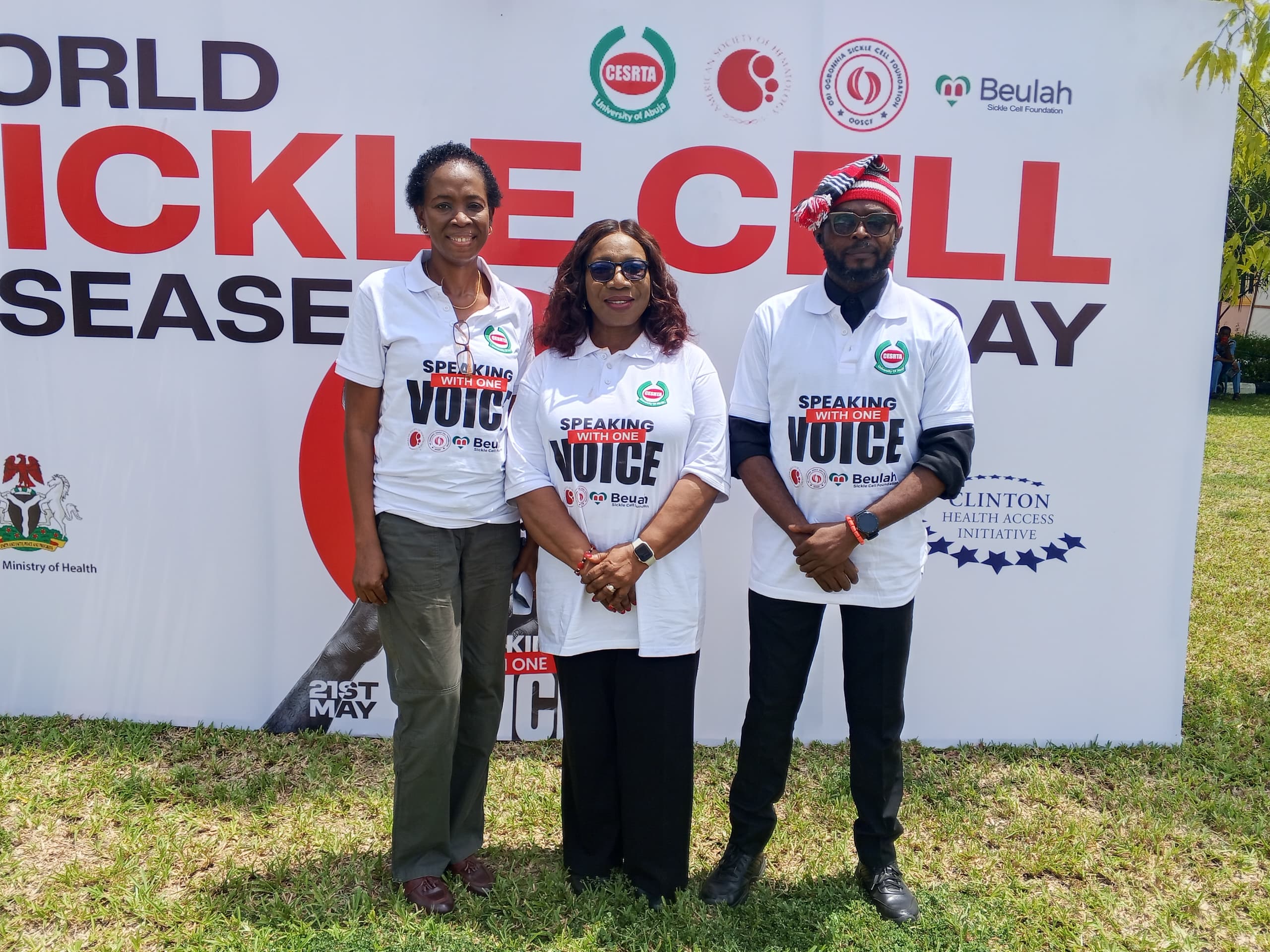
Nnodu, the Principal Investigator and Director of the Centre of Excellence for Sickle Cell Disease Research and Training (CESRTA), made the remarks during the 2026 World Sickle Cell Day commemoration held in Abuja.
According to her, many Nigerian parents fail to present their children for early screening and often seek medical attention only after severe complications have developed.
“They come when the child has already become critically ill. This has far more damaging consequences for the child,” Nnodu said.
Nigeria bears the highest global burden of sickle cell disease, with more than 150,000 babies born annually with the condition, according to CESRTA.
Nnodu revealed that up to 50 per cent of children living with sickle cell disease in Nigeria die before the age of five due to late diagnosis and inadequate treatment, despite the fact that early detection and timely intervention could prevent many of these deaths.
She attributed the delay in screening partly to fear, stigma, and poor public awareness about the disease.
According to her, many parents still wrongly believe that children diagnosed with sickle cell disease cannot survive long enough to lead productive and fulfilling lives.
To address these misconceptions, CESRTA has introduced mentorship and support programmes that connect older sickle cell patients — commonly referred to as “warriors” — with parents of younger patients.
“We have made deliberate efforts to bring older warriors together with parents of younger warriors so they can witness the potential, resilience, and achievements of people living successfully with sickle cell disease. This, in turn, motivates them to take better care of their own children,” she said.
The centre disclosed that it has screened more than 35,000 newborns for sickle cell disease across 25 primary healthcare centres in the Federal Capital Territory under the Consortium on Newborn Screening in Africa (CONSA) programme.
According to CESRTA, more than 400 babies identified with the disease through the initiative have since been enrolled in follow-up care and early intervention services.
Nnodu also called on the Nigerian government to increase investment in research and the development of treatments for sickle cell disease.
She specifically advocated wider access to hydroxyurea, a medication commonly used in managing the condition and reducing complications among patients.
Established in 2015, CESRTA conducts research, clinical training, and policy-focused programmes on sickle cell disease in collaboration with institutions across Africa, Europe, and the United States.
The centre also manages a national patient registry containing data from more than 10,000 sickle cell patients across Nigeria.
The World Sickle Cell Day commemoration was organised in collaboration with the Obi Ogbonnia Sickle Cell Foundation and other partner organisations.
Speaking at the event, Light Obi Ogbonnia said this year’s theme, “Speaking with One Voice,” reflected the growing collaboration among civil society organisations and stakeholders within the sickle cell advocacy community.
He noted that organisations working in the area of sickle cell care had previously operated in isolation but were now increasingly uniting efforts to strengthen support systems for patients across Nigeria.
Ogbonnia also encouraged people living with sickle cell disease to believe in their ability to lead successful and fulfilling lives, citing his personal experience of living with the condition for 52 years while building a thriving family and business life.
“One of the reasons some of us joined this advocacy space is to show the world that sickle cell disease is not a death sentence,” he said.
