Southeast Stakeholders Move to Tackle Shrinking Civic Space
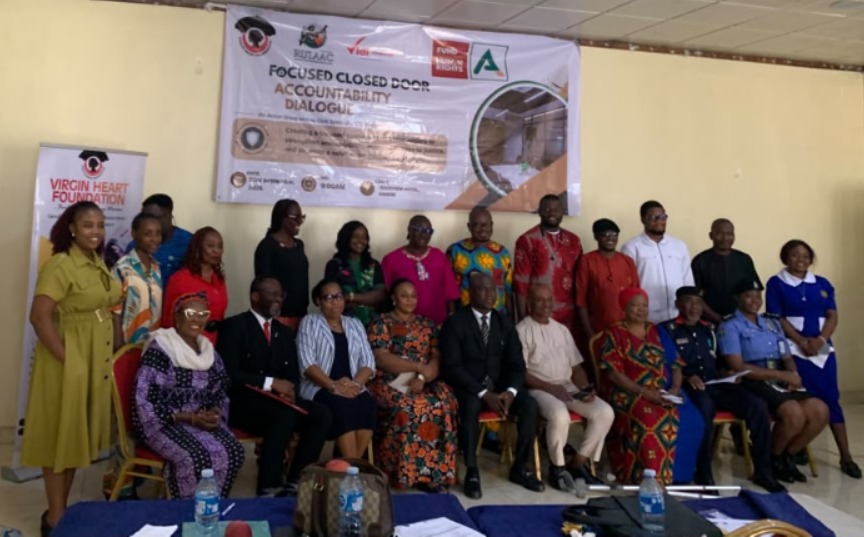
Civil society organisations, justice sector representatives and security oversight institutions on Wednesday converged on Owerri, the Imo State capital, to evolve strategies for strengthening accountability mechanisms and improving access to justice amid concerns over restrictions on civic freedoms in Southeast Nigeria.
The effort came during a one-day closed-door Accountability Dialogue on Civic Space held in Owerri, Imo State, by a consortium comprising the Rule of Law and Accountability Advocacy Centre (RULAAC), Virgin Heart Foundation (VHF) and Vivacious Development Initiative (VIDI), with support from the Fund for Global Human Rights through the Action Group on Free Civic Space.
The dialogue formed part of a 12-month project, titled “From Silencing to Accountability: Challenging the Securitisation of Civic Space in Southeast Nigeria,” covering Abia, Imo, Anambra, Enugu and Ebonyi states. The project aims to strengthen accountability, improve access to justice and promote a safer and more inclusive civic space.
In her opening address, the Executive Director of Virgin Heart Foundation, Peace Dike, said civic space extends beyond civil society organisations to include the ability of ordinary citizens to express their views, organise peacefully and engage public institutions on issues affecting their communities.
She noted that while Nigeria has laws protecting fundamental rights, concerns have been raised over the arrest and detention of journalists and civic actors, restrictions on peaceful assemblies, intimidation, and difficulties in obtaining timely remedies where rights are allegedly violated.
She, however, stressed that the discussions were not an argument against security institutions, acknowledging their responsibility to tackle terrorism, kidnapping and other crimes. She called for security operations to be carried out alongside respect for citizens’ rights.
Dike urged participants to develop practical measures, including improved complaint and referral mechanisms, better access to legal support, responsible documentation of alleged violations, and continuous capacity building for security personnel, journalists, lawyers and civic actors.
For her part, the Executive Director of Vivacious Development Initiative, Onyinyechi Joy Nwosu, said the project seeks to examine what happens when legitimate civic activity is viewed primarily through a security lens.
She described the dialogue as an opportunity to identify gaps in accountability from arrest and detention through judicial processes and access to remedies, while encouraging participants to produce concrete commitments that extend beyond discussions.
Providing the context for the dialogue, the Executive Director of RULAAC, Okechukwu Nwanguma, acknowledged the severe insecurity affecting the Southeast, including killings, kidnappings, attacks on security personnel and organised violence, and said the state has a constitutional duty to protect lives and property.
He argued, however, that activities such as journalism, peaceful protest, human rights advocacy, community organising and public criticism are ordinary features of constitutional democracy and should not automatically be treated as security threats.
According to him, the project builds on RULAAC’s previous interventions documenting the experiences of journalists and activists and now seeks to examine accountability across the entire institutional chain, from arrest and detention to prosecution, remand, bail and judicial oversight.
“The dialogue was intended to move discussions beyond identifying alleged violations towards examining which institutions bear responsibility, what evidence justified official actions, where oversight may have failed and what remedies or consequences should follow where wrongdoing is established,” he said.
In a goodwill message, the Public Relations Officer of the Abia State Police Command, DSP Maureen Chinaka, said the police, as an agency of government, are governed by the law and that their operatives are bound by such laws in their operations. She, however, acknowledged that there may be “bad eggs,” as in every other sphere of life.
She urged citizens to familiarise themselves with established channels for reporting infractions and the provisions of the Constitution that guarantee their rights, so as not to fall victim to any form of suppression.
Chinaka revealed that the Abia State Police Command had introduced several reforms in line with directives from the Inspector General of Police, aimed at improving police-civilian relations. She added that extensive awareness campaigns were ongoing to ensure that members of the public were better informed about their rights.
In his remarks, Barr. Ikenna Obi, who represented the Solicitor General and Permanent Secretary of the Imo State Ministry of Justice, Barr. Gloria Egwuagu, said civil society organisations have an important role to play in ensuring that justice systems function effectively.
He called for greater collaboration among stakeholders, rather than having institutions and organisations work in isolation.
For human rights activist Barr. Chinedu Agu, the Southeast region can no longer continue on the trajectory of rights suppression and shrinking civic space. He applauded the organisers for convening the dialogue.
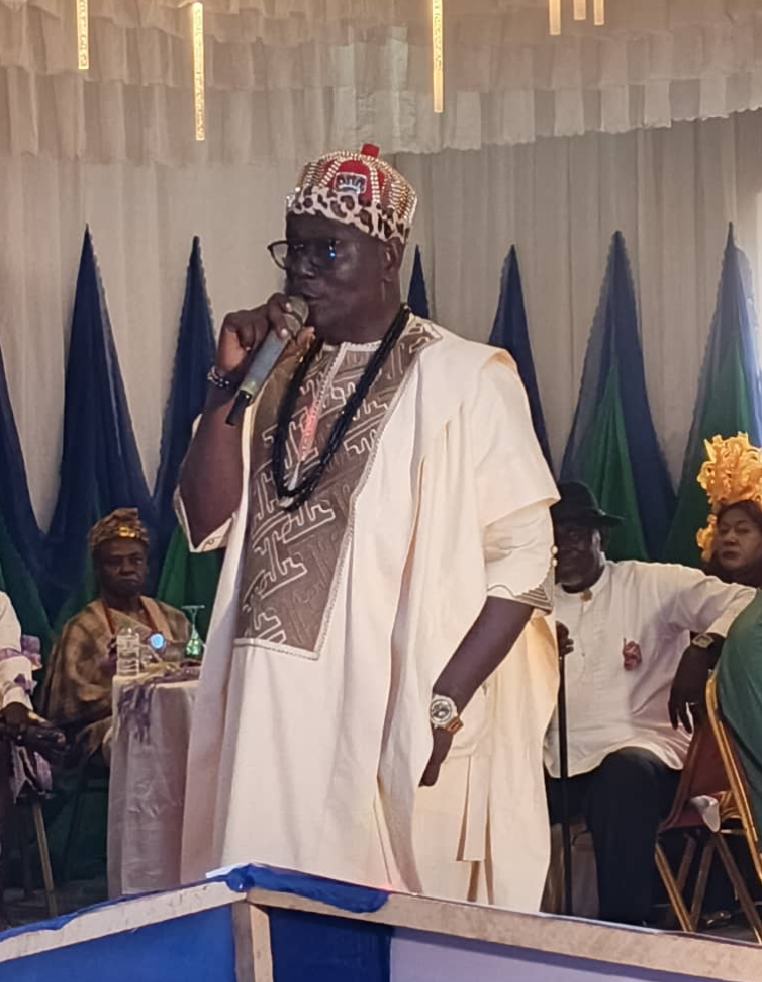
Participants at the dialogue included representatives of the Police Service Commission, Complaint Response Unit, National Human Rights Commission, justice institutions, lawyers, media practitioners, civil society organisations and community groups. They explored practical ways to strengthen institutional accountability while supporting legitimate security responsibilities.