


No Ebola Case in Anambra, Health Commissioner Assures Residents
The Anambra State Government has assured residents that no Ebola case has been confirmed in the state, urging the public to remain calm and disregard misinformation amid concerns over a reported case in Abuja.
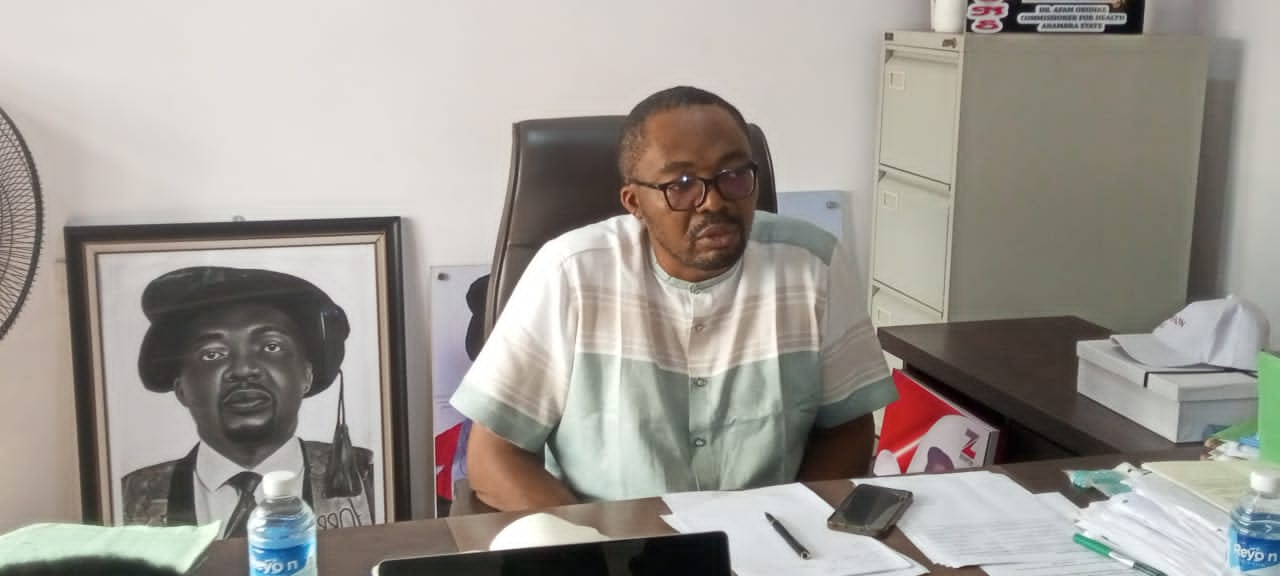
The Commissioner for Health, Dr Afam Obidike, gave the assurance during a press briefing in Awka, saying the state had strengthened its surveillance system and was working with relevant national and international health partners to prevent the possible spread of the disease.
Obidike urged residents not to panic, stressing that the state’s health authorities were prepared to detect and respond to suspected cases.
He said the Ministry of Health was collaborating with the Nigeria Centre for Disease Control and Prevention (NCDC), the World Health Organization (WHO), UNICEF and Médecins Sans Frontières (MSF) to strengthen preparedness and surveillance.
The commissioner also cautioned residents against unverified claims and dangerous remedies, particularly the practice of drinking or bathing with saltwater as a supposed preventive measure against Ebola.
He explained that Ebola spreads through direct contact with the blood and other bodily fluids of an infected person who is symptomatic, or through contaminated materials. Infection can also occur through contact with infected animals or the handling and consumption of infected bushmeat.
Obidike said the state began strengthening its preparedness measures about three months ago following federal directives on epidemic response.
As part of the measures, he said, the state had deployed 10 trained health informants per ward across the 21 local government areas, with support from the WHO, to improve early detection and reporting of unusual illnesses.
He added that screening and travel declaration procedures had also been strengthened at relevant entry points.
Addressing concerns about Lassa fever, another viral haemorrhagic disease whose early symptoms may resemble those of Ebola, the commissioner disclosed that a 50-year-old woman had recently been identified with the disease.
He said the patient was stable, while eight identified contacts were being monitored for the prescribed 21-day period and had not developed symptoms as of the briefing.
The commissioner warned that persistent fever, severe headache, joint pain and weakness should not be dismissed or treated through self-medication, particularly where there might have been relevant travel or exposure history.
He urged residents experiencing concerning symptoms to seek prompt assessment at recognised health facilities and provide healthcare workers with relevant information about possible exposure.
Obidike further disclosed that secondary and tertiary healthcare facilities across the state had designated holding and isolation centres to support the safe assessment and management of suspected cases while protecting healthcare workers and the public.
He called on residents to cooperate with surveillance officers, rely on verified health information and promptly report unusual symptoms, describing early detection and timely reporting as essential to disease prevention and control.
