



Ex-Unizik VC: Why Africa Must Turn Gas Wealth into Industrial Growth
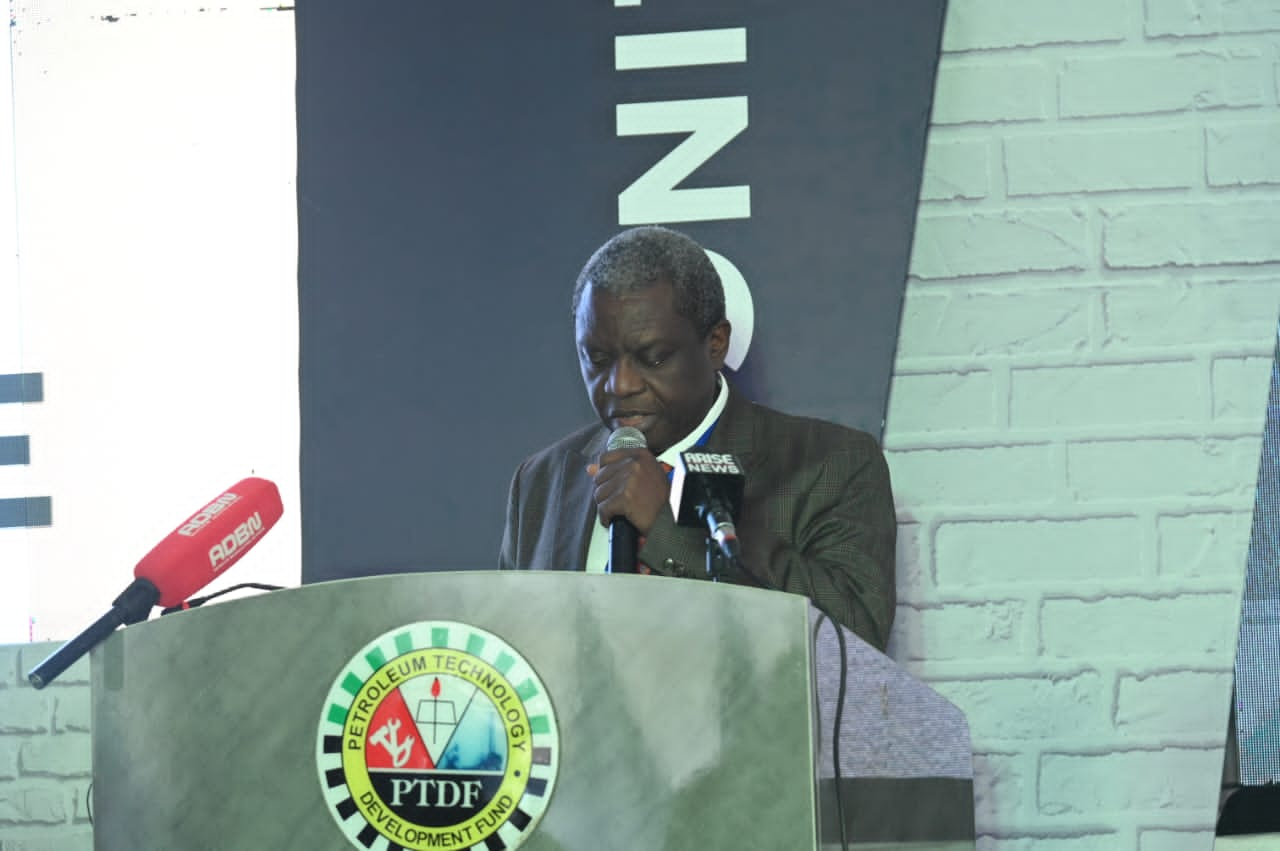
Prof. Charles Esimone
By Prosper Okoye
Africa must transform its vast natural gas resources into an engine of industrialisation to create jobs, drive economic growth and strengthen energy security, the Vice-Chancellor of Transatlantic University of Medicine and Health Sciences, Prof Charles Esimone, has said.
Esimone made the call on Wednesday while speaking at the third annual EMOGAS International Natural Gas-Based Industry Conference and Exhibition in Abuja.
He noted that the continent continued to struggle to translate its abundant gas resources into sustained industrial development and broad-based economic prosperity.
He said Africa needed to move beyond the question of how much natural gas it possessed and focus instead on how to develop the resources responsibly, attract investment and expand its participation in global energy markets.
“The more important questions are: How do we develop these resources responsibly? How do we create stronger producer partnerships? How do we attract and sustain investment?” Esimone asked.
The conference, themed “Accelerating Africa’s Global LNG Trade Share and Driving Gas Industrialisation Through Innovative and Strategic Upstream Petroleum and Gas Producer Synergies and Investment Decisions,” seeks to explore strategies for unlocking the continent’s gas potential through investment, innovation and collaboration.
Esimone, who is also the Pro-Chancellor of European University, stressed the need for governments, industry, academia and entrepreneurs to work together to transform natural gas resources into commercially viable products and services that would stimulate industrial growth.
According to him, governments must provide an enabling policy and regulatory environment, while industry players should bring the capital, technology and operational expertise required to develop the sector.
He maintained that Africa’s ability to translate its gas wealth into industrial growth would ultimately depend not merely on the resources it possessed, but also on how effectively it harnessed innovation to maximise their value.
The university administrator argued that Africa should not remain a passive consumer of emerging technologies, including artificial intelligence, advanced data analytics, digital twins and automation.
Instead, he said, the continent should develop and commercialise technological solutions tailored to its industrial needs.
He called for increased investment in human capital and stronger partnerships among universities, research institutions, governments and industry players to ensure that African engineers, scientists and entrepreneurs played more meaningful roles across the energy value chain.
The conference is also examining issues relating to liquefied natural gas (LNG) trade, investment partnerships, natural gas utilisation and monetisation, energy security, and the application of advanced technologies to protect critical gas infrastructure.
Speaking at the event, the founder of Emogas Limited, the conference organiser, Emeka Okafor, said Nigeria needed stronger collaboration among government, industry, investors and indigenous businesses to transform its natural gas resources into industrial growth, job creation and broader economic opportunities.
“Nigerians have no business being poor,” Okafor said.
He argued that the country needed to move beyond resource extraction and focus on developing domestic industries, strengthening indigenous technology and expanding local participation across the gas value chain.
He urged the government to create a favourable investment climate and ensure that projects were awarded on merit rather than through political connections.
According to him, a system driven by patronage could result in poorly executed projects, waste of public and private resources, and investments that failed to deliver their intended benefits.
Okafor also called on industry leaders to strengthen partnerships and pursue commercially viable projects, while encouraging investors to adopt a long-term perspective in exploring opportunities in Nigeria’s gas sector.
He urged technology companies and entrepreneurs to develop innovative solutions suited to African markets, stressing the need for closer collaboration between researchers and industry players to translate research findings into practical innovations.
Also speaking, the General Manager of the Midstream Monitoring Division at the Nigerian Content Development and Monitoring Board (NCDMB), Ozimede Suleiman, said the board was deploying its financing programmes to help Nigerian businesses overcome funding constraints and expand their participation in the gas value chain.
Suleiman, who represented the NCDMB Executive Secretary, Felix Ogbe, at the conference, explained that the board could take equity stakes in emerging Nigerian gas companies and appoint representatives to their boards to monitor investments and ensure that they delivered returns.
He also highlighted the Nigerian Content Intervention Fund (NCIF), which provides financial support to companies seeking to refinance high-interest loans, ease financial pressures and improve cash flow.
According to him, the intervention helps address financing challenges that have limited indigenous companies’ access to commercial bank loans, thereby improving their capacity to participate in the oil and gas industry.
Suleiman explained that, under the Nigerian Oil and Gas Industry Content Development Act, companies seeking to operate in Nigeria’s oil and gas industry were required to submit Nigerian content plans outlining how local businesses would participate in their operations.
He said the NCDMB reviews the plans before issuing the relevant certificates, ensuring that companies comply with applicable local content requirements.
The NCDMB official urged Nigerians to explore opportunities across the gas value chain as the global energy transition continued to evolve.
He identified compressed natural gas (CNG) and other gas-related businesses as areas in which indigenous companies could expand their participation and develop new sources of revenue.
Suleiman reaffirmed the board’s commitment to promoting the implementation of the Nigerian Oil and Gas Industry Content Development Act to broaden opportunities for Nigerian businesses, deepen local capacity and strengthen indigenous participation in the country’s oil and gas industry.