

Tinubu Seeks NASS Approval to Borrow $21.5 Million, ¥15 Billion, and €65 Million
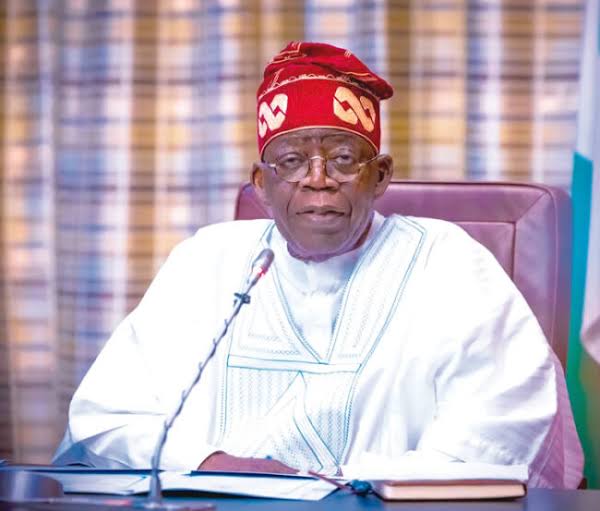
President Bola Tinubu has sought approval from the National Assembly to secure external loans amounting to $21.5 million and ¥15 billion, in addition to a grant of €65 million. These funds are part of the federal government’s proposed external borrowing plan for the 2025–2026 fiscal period.
According to Premium Times, the president’s request was detailed in a letter read by Senate President Godswill Akpabio during the Senate plenary session on Tuesday.
In the letter, President Tinubu stated that the funds would be used to generate employment, promote skill acquisition, enhance entrepreneurship, reduce poverty, and improve food security across the country.
He noted that the proposed projects and programmes are intended to have a nationwide impact, covering all 36 states of the federation as well as the Federal Capital Territory (FCT).
Following the reading of the letter, Akpabio referred the request to the Senate Committee on Local and Foreign Debt.
He instructed the committee to review the proposal and submit its findings to the Senate within two weeks.
Nigeria’s public debt has been on the rise in recent years, sparking concerns over the country’s fiscal sustainability. According to the Debt Management Office (DMO), as of 31 December 2024, Nigeria’s total public debt stood at ₦144.7 trillion (approximately $94.2 billion). Of this total, 51.4 percent (₦74.4 trillion) represents domestic debt, while 48.6 percent (₦70.3 trillion) constitutes external debt.
The increasing debt burden has led to a significant rise in debt servicing costs. In 2023, Nigeria spent ₦7.8 trillion on debt servicing, representing a 121 percent increase from the ₦3.52 trillion spent in the previous year. This figure surged to ₦13.12 trillion in 2024, marking a 68 percent increase compared to 2023. These escalating debt servicing obligations reduce the availability of funds for critical sectors such as infrastructure and social services, potentially impeding economic growth and development.
Credit: Premium Times