Southeast Governors Must Drive Regional Development, Not Federal Government – Former Anambra Commissioner
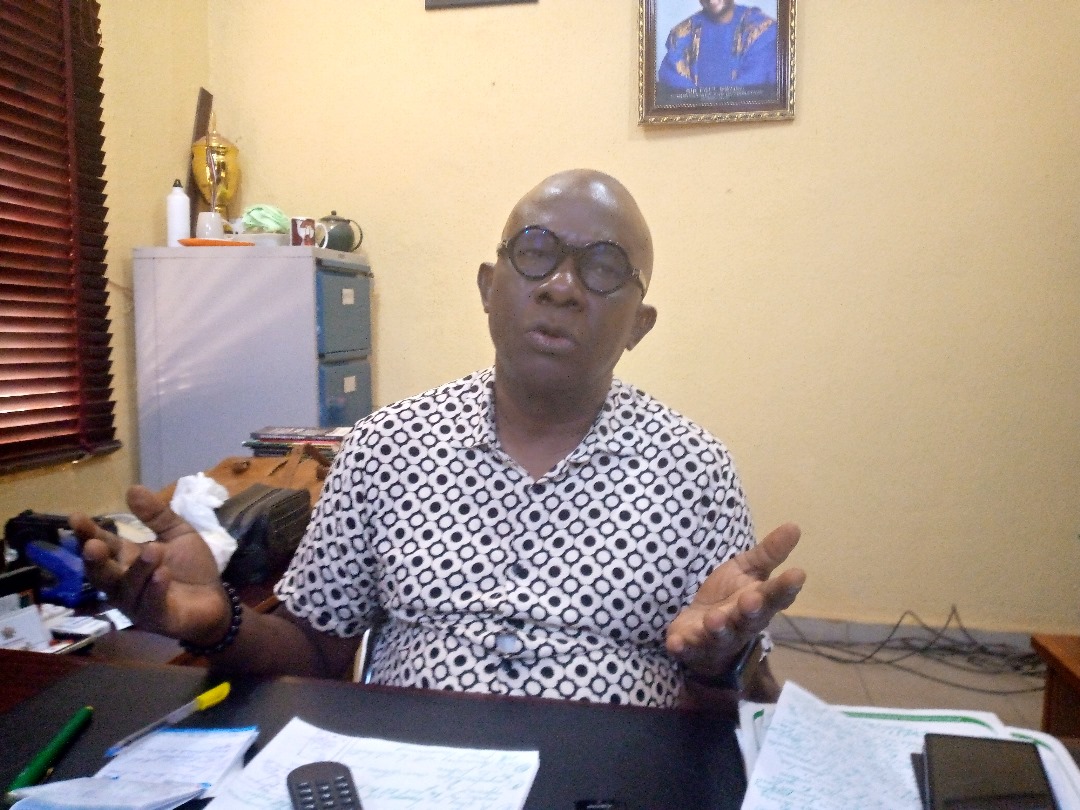
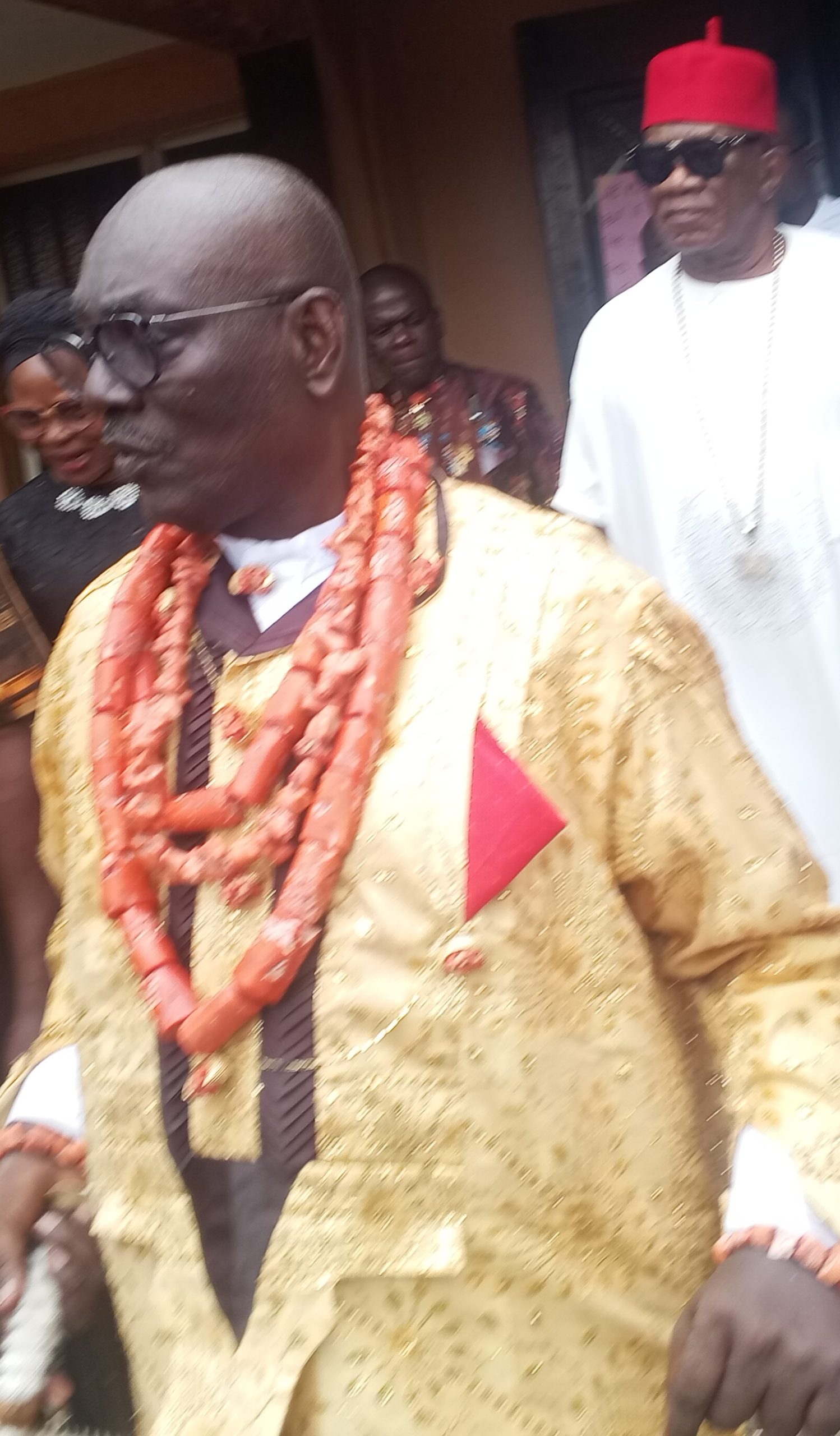
Sir Paul Nwosu
By Our Correspondent
A former Commissioner for Information in Anambra State, Sir Paul Nwosu, has stated that it is a strategic error for the governments and people of Nigeria’s Southeast geopolitical zone to rely on the Federal Government for the region’s socio-economic advancement.
In an exclusive interview with a TNC correspondent in Awka, Sir Nwosu emphasized that if Southeast state governments and influential stakeholders work together to formulate and execute a cohesive economic blueprint, the region has the potential to become the “Dubai or Singapore of Africa.”
Sir Nwosu, who currently serves as the Editor-in-Chief of Anambra Times, is organizing a roundtable for Igbo stakeholders on the region’s development, scheduled for June 19, 2025, in Awka.
He stated that the time is ripe to reignite conversations about the Southeast’s untapped potential.
“It is disheartening that successive state administrations have often approached Abuja cap-in-hand, seeking financial handouts,”
“This should not be the case, especially when the Southeast is endowed with abundant human and material resources.”he said.
According to him, the region must stop waiting for directives from the Federal Government and instead take charge of its developmental pace.
“The Southeast can become the Dubai of Nigeria and even Africa,”
“What many people don’t realize is that Dubai is just one emirate in a country. But through visionary leadership and resourcefulness, they transformed a desert into a global hub within five decades.”Nwosu declared.
He added that the Southeast can replicate such success if it embraces a similar mindset and rejects the current centralized dependency.
“This is the same principle that guided the regional governments of the First Republic,allowing regions to develop at their own pace. At a time when some Nigerians were living under trees, another region had already built the first skyscraper and established a television station in the 1950s.”Nwosu stated.
Nwosu criticized what he termed a “bunch-up mentality,” likening it to a family where all children are held back because one is underperforming.
“That’s precisely what we want to change with this roundtable a platform to spark a transformative conversation about the Southeast’s development, on our own terms.” he said.
He lamented that the Southeast has suffered significant setbacks due to its overdependence on the federal government.
According to him, countries that once learned from the region have now surged far ahead.
“Before the Civil War, under the leadership of Premier M.I. Okpara in the late 1950s and early 1960s, the Eastern Region part of today’s Southeast was recognized as the fastest-growing region in the world. Malaysia once came here to collect palm seedlings. Today, we import palm-based products from them.”
“Had the region continued on that trajectory uninterrupted, we would today be among the most developed regions globally. In those days, the Saudi royal family came here for medical treatment. Asian nations that are now economic powerhouses once visited to learn from us. They took our palm species, improved them, and now export oil, soap, and butter—while we destroy the very palm plantations they once envied.” Nwosu noted.
Commenting on the recent establishment of the Southeast Development Commission (SEDC) by the Federal Government, Sir Nwosu clarified that such commissions, while helpful, are not unique to the Southeast and should be viewed as supplementary structures.
“Development commissions are still federal instruments, tied to the national budget and planning framework. While they can assist, real transformation must come from within when regional governments collaborate based on their unique needs and aspirations.”he stated.
He urged Southeast leaders to revive the Igbo philosophy of Igwebuike,emphasizing the power of collective action.
“Yes, the various states are governed by different political parties with different ideologies. But regional development should transcend politics. There are areas where states have comparative advantages, and through cooperation, they can support one another to move the region forward.”he said.
Citing infrastructure as an example, Nwosu questioned why the Southeast continues to lament exclusion from the national railway master plan without taking independent action.
“What stops the Southeast states from jointly commissioning a rail master plan, hiring consultants, and approaching institutions like the African Development Bank for funding? Each state can budget for counterpart funding. Once the Federal Government sees the success of the initiative, it will be compelled to connect the national system to ours, effectively integrating our gains into the larger framework.” he said .
He also highlighted the importance of a coordinated security strategy, noting that fragmented efforts only shift crime from one state to another.
“When Anambra flushes out criminals, they relocate to Enugu. From Enugu, they go to Imo, and eventually circle back to Anambra. Only a unified security strategy can make the region inhospitable to crime.” the former commissioner said.
Sir Nwosu further urged the Southeast leaders to seize this moment to chart a new course for the region one defined by self-reliance, regional cooperation, and visionary leadership.