
UNICAL Dentistry Admission Scandal: VC Obi Caught Falsely Denying New Enrollments for 3 Years
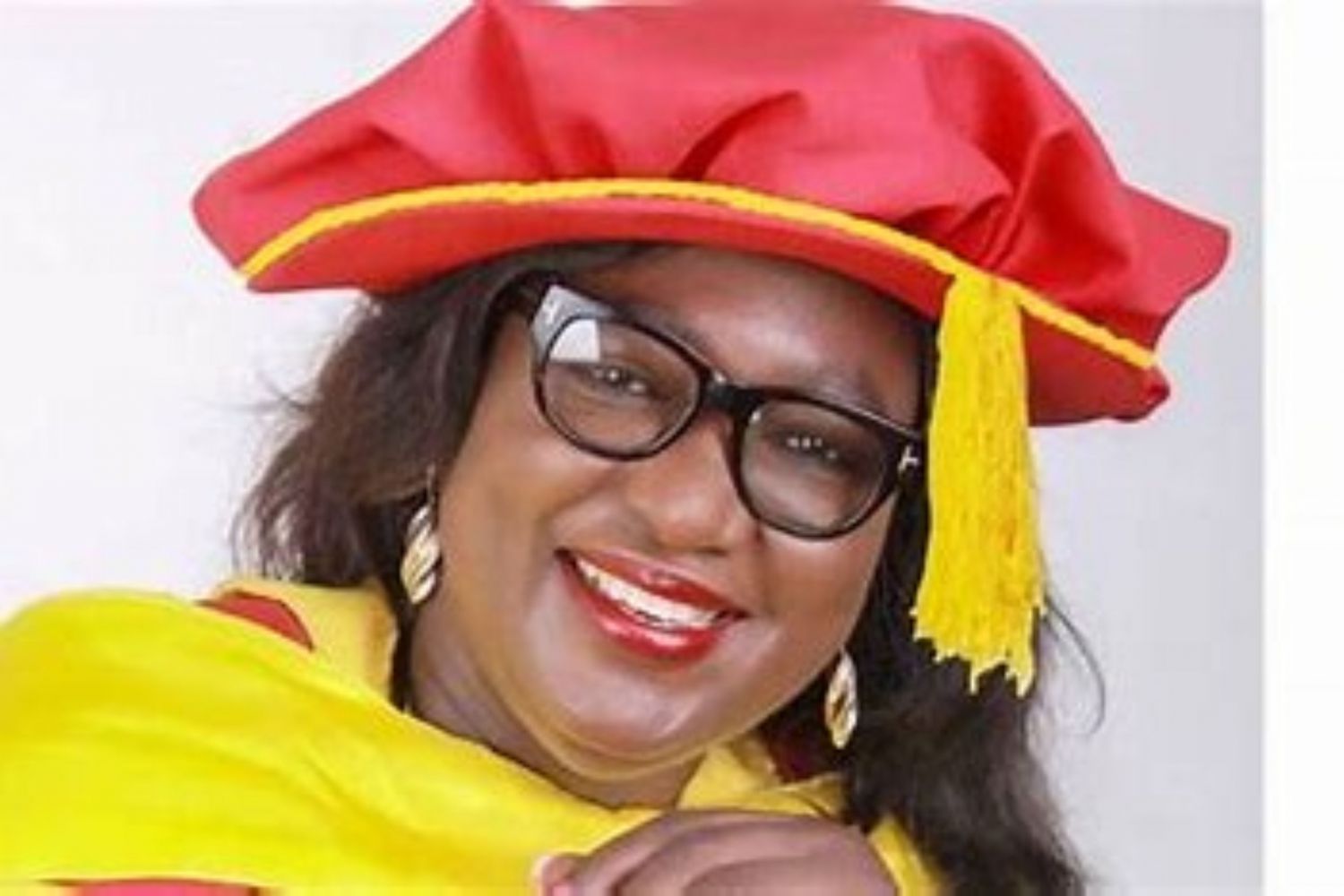
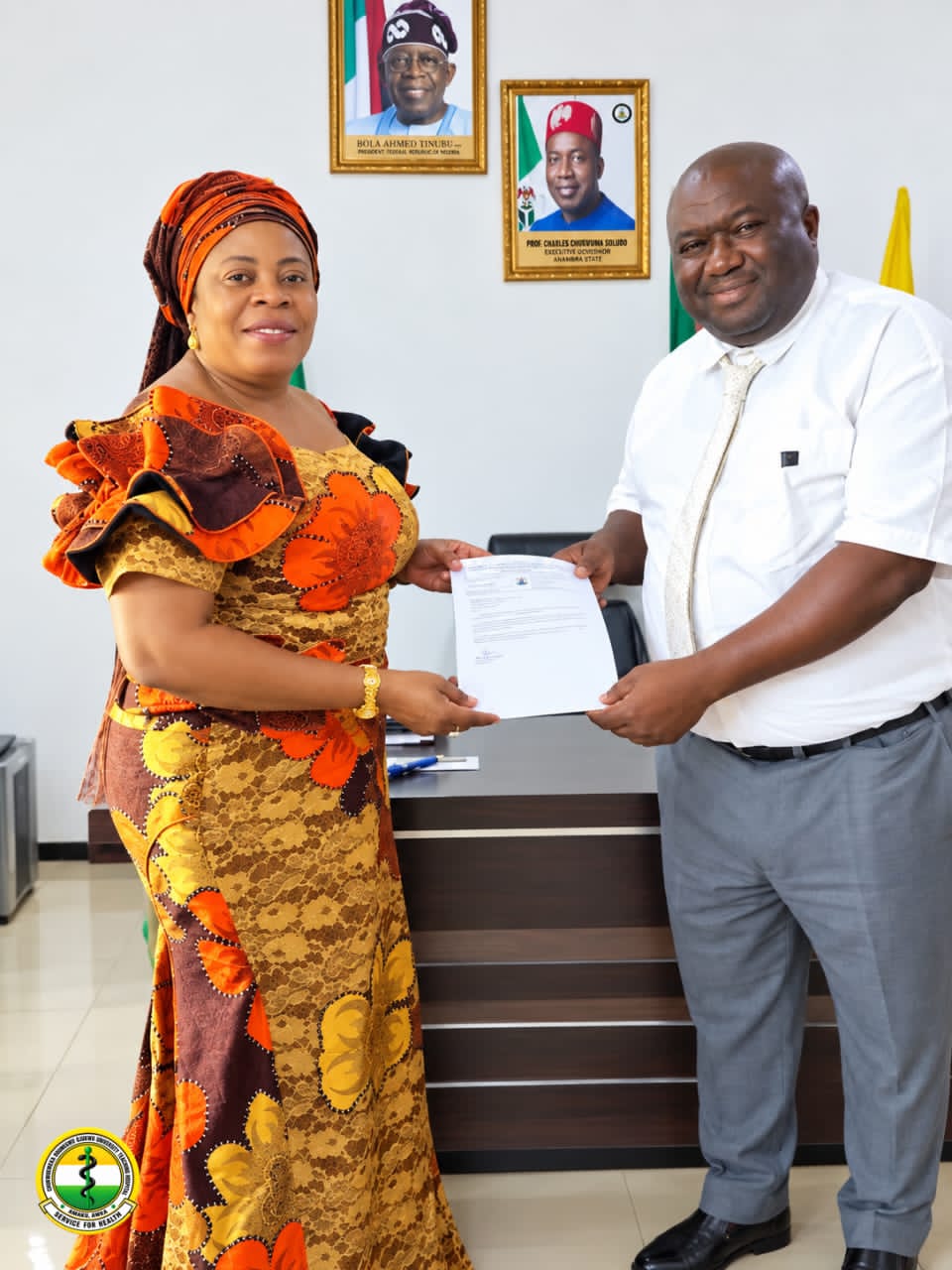
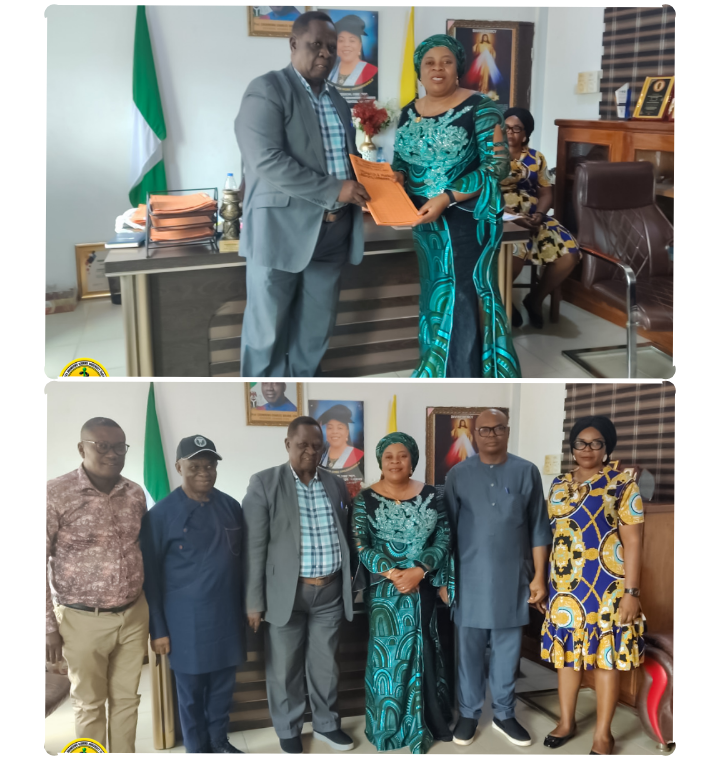
University of Calabar UNICAL Vice Chancellor Professor Florence Banku Obi
The University of Calabar (UNICAL) Faculty of Dentistry is at the center of a growing admission scandal that could result in sanctions from the Medical and Dental Council of Nigeria (MDCN), following revelations that Vice Chancellor Professor Florence Banku Obi misrepresented key facts surrounding the ongoing over-admission crisis.
The university is now facing intense scrutiny and public backlash for allegedly violating regulatory directives and misleading the public in denying admitting students.
In a recent press statement titled “A Press Release on the Over-Admission Issue in Dentistry, UNICAL”, Prof. Obi acknowledged that the university had historically exceeded the MDCN-approved quota of 10 students per session in the Dentistry programme. However, she claimed her administration had halted new admissions into the programme since 2022, following directives from the MDCN.
“As a responsible administration, we have kept faith with the advice. Our Dentistry students currently are in their 400, 500, and 600 levels,” Prof. Obi stated.
However, investigations have revealed that the Vice Chancellor’s claim is false. Not only has the university continued admitting students beyond the approved quota, but it has also admitted new students for the current 2024/2025 academic session.
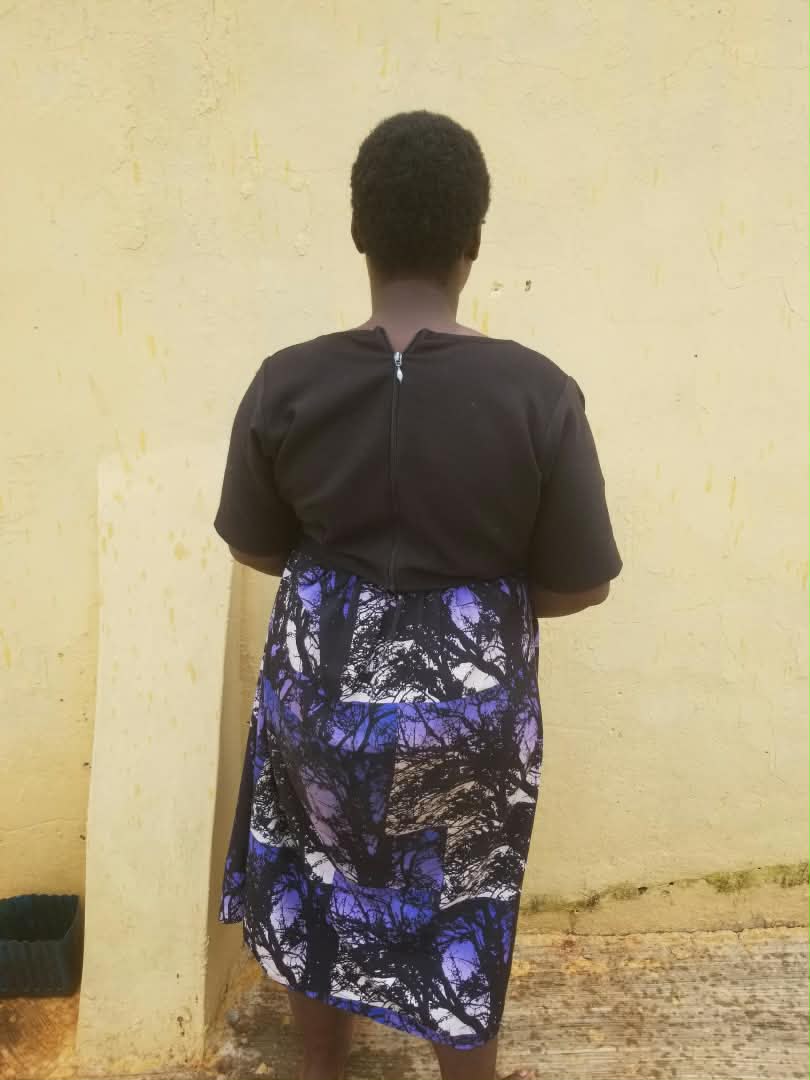
A parent who spoke to The Southern Examiner confirmed that her son was admitted into the Dentistry programme this academic year and is currently in his first year. Also a staff member of the university’s College of Medicine, who spoke on condition of anonymity, expressed concern over what he described as deliberate misinformation.
“There are students in 100, 200, and 300 levels in the Dentistry programme. Everybody here knows this,” the staff member said.
The same source revealed that similar over-enrollment issues are emerging in other faculties, particularly in Nursing and Medical Laboratory Sciences. For instance, the Nursing programme despite an official quota of 150 students approved by the Nursing and Midwifery Council of Nigeria reportedly admitted around 700 students this session. Likewise, the Faculty of Medical Laboratory Sciences, with a quota of 200, allegedly admitted up to 930 students.
All of these students, the source confirmed, received official admission letters from the Joint Admissions and Matriculation Board (JAMB), further complicating the situation.
The consequences for students could be severe. Regulatory bodies such as the MDCN have the authority to withhold certification, deny accreditation, or prevent graduation for institutions that breach quota regulations. This leaves the academic and professional futures of hundreds of students in jeopardy.
Amid growing outrage, the national leadership of the Nigerian Association of Dental Students (NADS) has formally petitioned regulatory and oversight bodies including the MDCN, the Federal Ministries of Health and Education, and the National Universities Commission (NUC) to intervene.
In a strongly worded letter dated July 11, 2025, and signed by its President, Victory Ochuwa of the University of Benin, NADS condemned UNICAL’s conduct as a violation of trust and a breach of regulatory standards.
“This act of negligence and disregard for students’ welfare is unacceptable,” . “We reject any attempt to make students bear the burden of institutional failures. The university management must publish a transparent roadmap to resolve this crisis.”the statement read.
NADS further disclosed that contrary to the MDCN’s approved limit of 10 students per academic session, UNICAL has been admitting up to 90 students annually into its Dentistry programme. Such over-enrollment, the association warned, could ultimately invalidate the students’ training and professional qualifications.
As pressure mounts, stakeholders including students, parents, staff, and regulatory agencies are demanding accountability, transparency, and a comprehensive strategy to restore credibility to UNICAL’s professional health programmes.
As of the time of this report, the university has not issued any response to the new wave of allegations