


Constitution Review Public Hearing in Owerri: A Hollow Ritual of Democratic Pretense
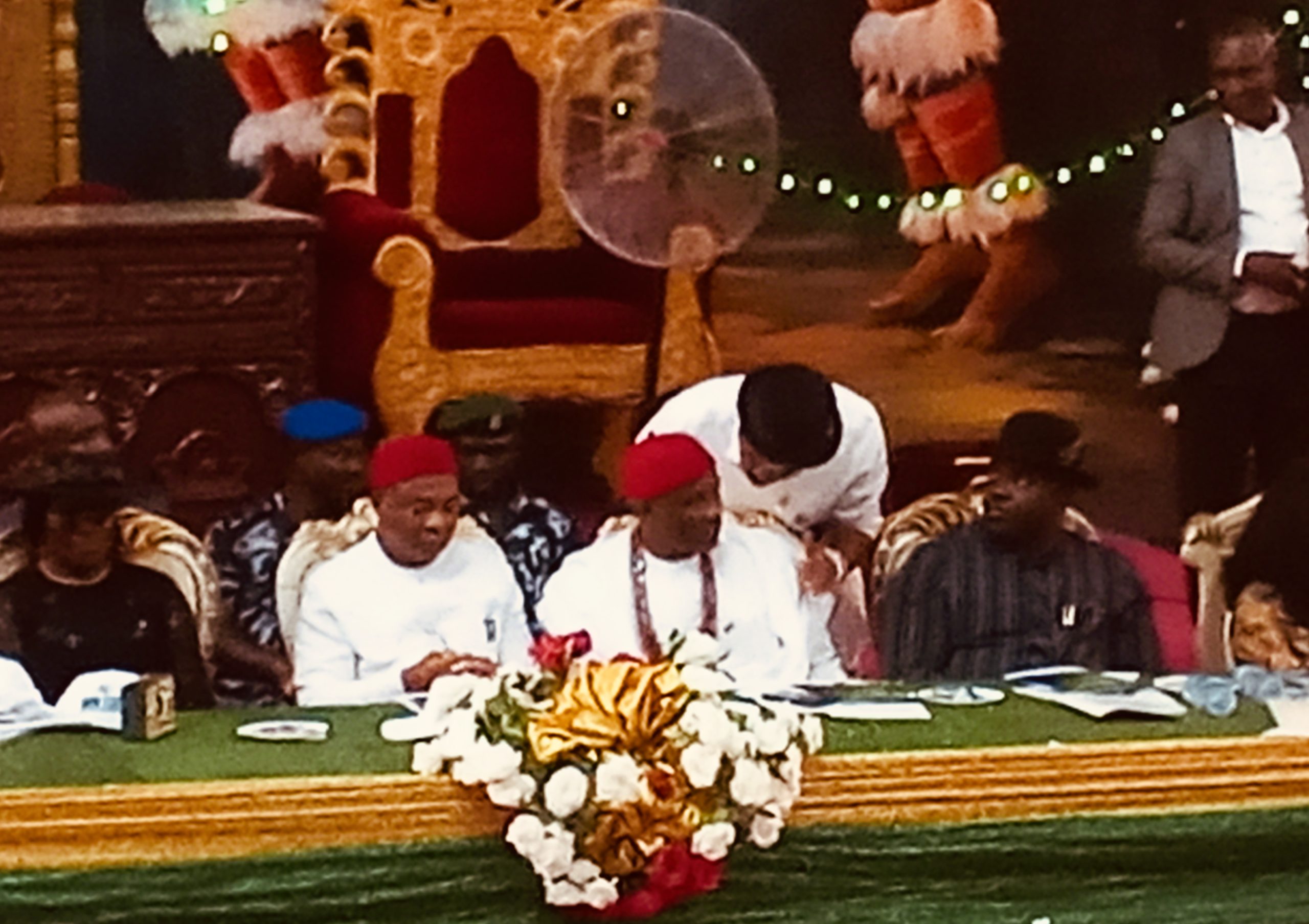
Governor of Imo State Hope Uzodinma and deputy speaker House of representatives Benjamin kalu at the constitution review public hearing in owerri
By Titus Maduako Eleweke
The so-called public hearing on the 1999 Constitution review held in Owerri on July 19, 2025, was anything but a genuine exercise in participatory democracy.
Instead, it resembled a carefully choreographed political theater , a symbolic gesture meant to satisfy procedural formalities rather than to invite meaningful public engagement. What unfolded in Imo State’s capital was not a forum for constitutional dialogue but a hollow ritual designed to give legitimacy to the predetermined views of a political elite increasingly detached from the realities and voices of the people they claim to represent.
The hearing lacked community mobilization, and genuine grassroots involvement. There was no widespread sensitization or prior consultation with community leaders, local authorities, or traditional rulers , key actors who should have shaped the discourse. Instead, the halls were filled with politically connected individuals and favored interest groups, most of whom echoed the pre-packaged positions of their political benefactors. In effect, the event was a ratification, not a review a performance of inclusiveness without its substance.
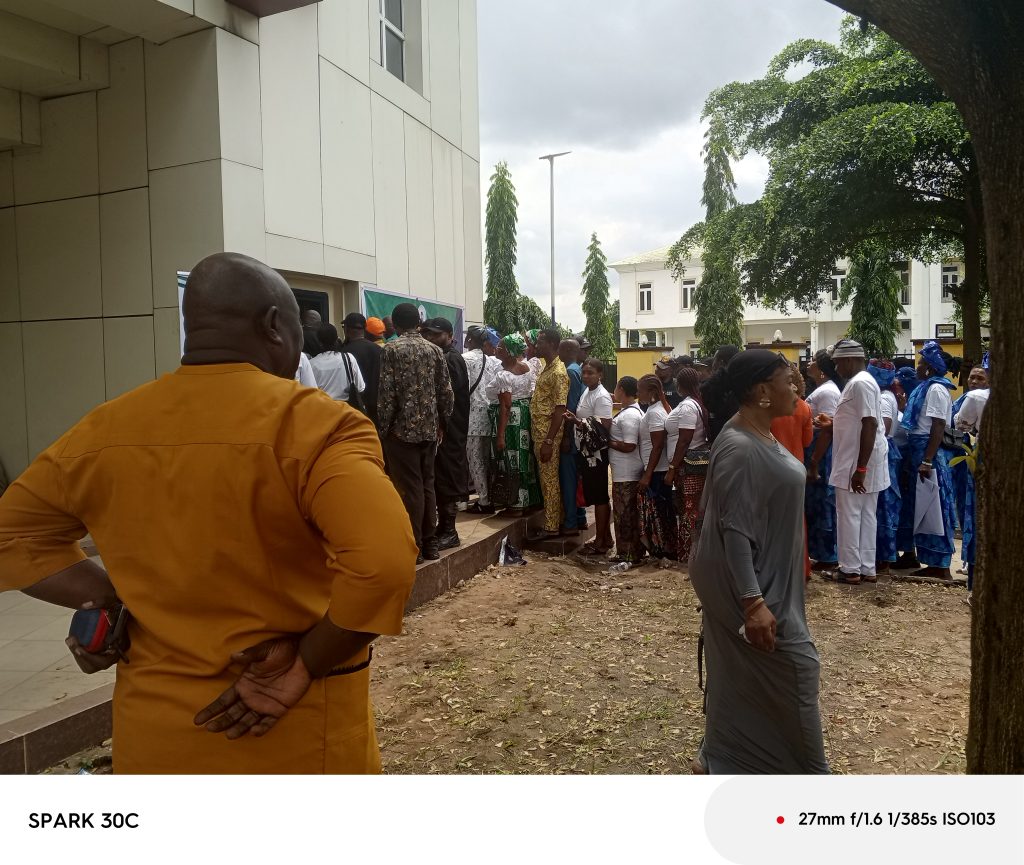
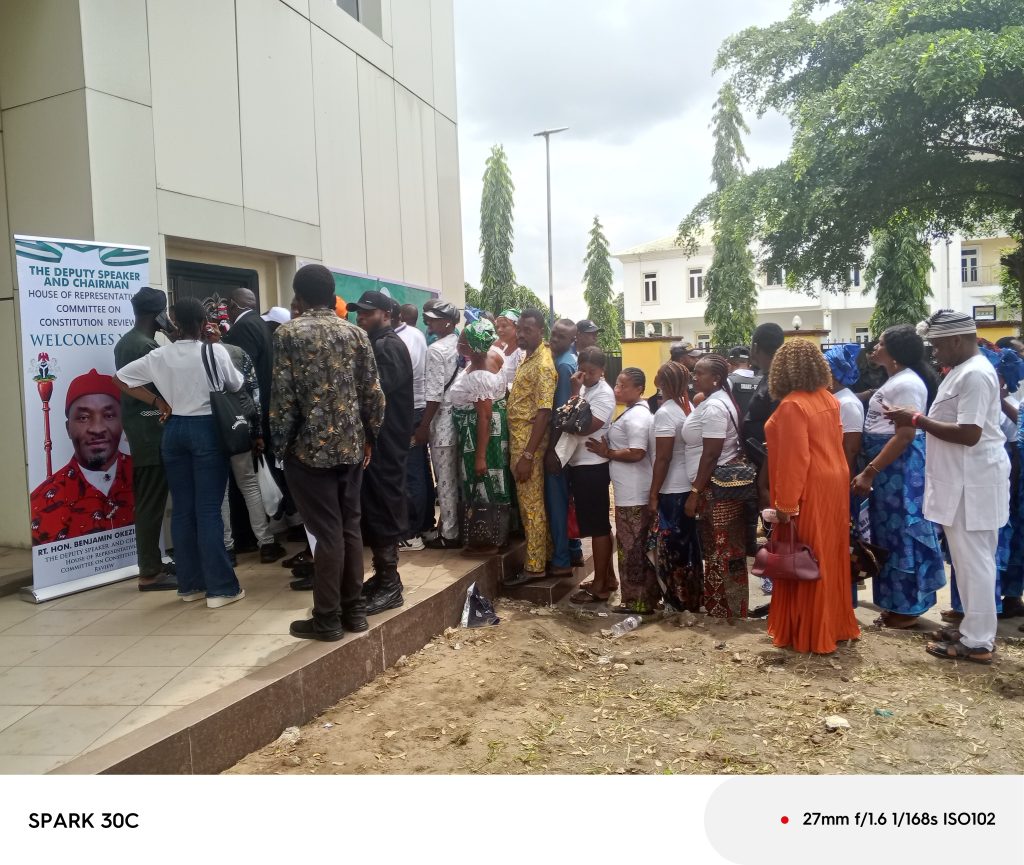
Even more disturbing was the deliberate exclusion and mistreatment of the masses who came, in good faith, to participate. Citizens, including stakeholders from marginalized communities, were denied entry and subjected to inhumane treatment at the gates by overzealous security agents and bouncers acting with impunity. A scene that should have symbolized democratic engagement instead became a site of humiliation and exclusion. It took public outcry and emergency phone calls before the gates were grudgingly opened to the very people in whose name the constitution is purportedly being reviewed.
One would expect such a critical national process to be marked by decorum, listening, and intellectual engagement. Instead, it descended into a talk-shop dominated by self-important rhetoric from those at the high table. Even the Deputy Speaker, a key figure in the hearing, paid little attention to the submissions of citizens. He was preoccupied with side conversations, displaying a telling disinterest in the very reason the gathering was convened.
The glaring absence of most House of Representatives members from the event further underscored the growing disconnect between lawmakers and their constituencies. These elected officials, who should be bridges between the state and the people, are increasingly absentee representatives ,visible during elections but invisible during moments of critical civic engagement. How can they claim to represent the people when they fail to even show up?
What is equally baffling is the prioritization of select interest groups over legitimate stakeholders. Rather than giving the floor to community-based organizations, town union leaders, traditional institutions, and civil society, the hearing favored trader unions and salary-related agitations, issues more appropriate for labor forums than constitutional amendments. This lack of focus betrays either a poor understanding of the moment or a calculated effort to reduce public engagement to tokenism.
This trend is symptomatic of a deeper democratic decay. Public hearings are meant to be forums of inclusive deliberation , spaces where citizens shape the laws and frameworks that govern their lives. When such hearings are reduced to formalities, democracy itself is undermined. It becomes a rule by the few under the guise of the many.
Our lawmakers must be reminded that they are not elected to sit in silos or rule by proxy. Their mandate is rooted in public trust and public service. Engaging the constituents is not a favor; it is a constitutional obligation. They must return to their constituencies, provide regular briefings, and involve communities in legislative processes, especially something as foundational as constitutional reform.
No constitution, however well-drafted, can claim legitimacy without the informed input and consent of the people. A constitution must not only serve the people , it must come from the people. Anything short of that is an imposition, not a social contract.
In the end, democracy cannot thrive on selective participation. It cannot be reduced to a periodic ritual of elections or symbolic public hearings. It must be inclusive, transparent, and continuously participatory. The Owerri hearing failed on all these fronts and until these failures are addressed, constitutional reform in Nigeria will remain an elite-driven exercise with little hope of inspiring national renewal.
Titus Maduako Eleweke is a Senior Journalist based in Awka, Anambra State