

The Imperative of Sustaining Igbo Culture, Language, Tradition
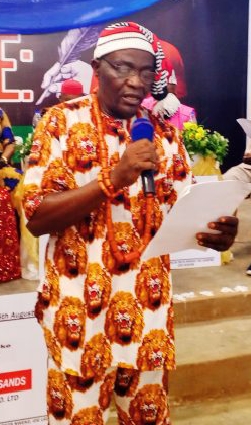
Mazi Chukwudi Ejimofor, Chief Executive Officer of the Nzuko Ndi Igbo radio programme limited
Mazi Titus Maduako Eleweke
In an era marked by rapid globalization and cultural homogenization, the preservation of indigenous identities has never been more critical. Among Nigeria’s rich tapestry of ethnic groups, the Igbo people stand out with a vibrant cultural heritage, unique language, and deep-rooted traditions that form the bedrock of their identity. Yet, the future of these priceless legacies hangs precariously in the balance. The prophetic warnings of Igbo language and cultural extinction like those highlighted by the Nzuko Ndi Igbo radio programme serve as urgent calls to action.
Nzuko Ndi Igbo, through its radio platform, has tirelessly championed the cause of Igbo language and cultural preservation. It showcases how language, storytelling, music, and traditional practices remain vital tools for community cohesion and identity affirmation. Their broadcasts are not mere entertainment; they are cultural lifelines that connect generations, educate the youth, and celebrate Igbo history and wisdom. This initiative exemplifies how media can play a transformative role in sustaining indigenous cultures.
However, the responsibility to safeguard Igbo culture and language cannot rest solely on the shoulders of community organizations or media outlets. Governments at all levels must recognize cultural preservation as a pillar of national development. This involves creating policies that promote the teaching of Igbo language in schools, funding cultural festivals, supporting indigenous art forms, and protecting historical sites. Such commitments signal respect for cultural diversity and acknowledge that languages and traditions are not relics of the past but living, evolving expressions of identity.
Non-governmental organizations (NGOs) also have a pivotal role. They can foster partnerships with local communities to document oral histories, develop language-learning resources, and advocate for cultural rights. NGOs bring expertise, funding, and innovation, helping communities adapt to modern challenges without losing their heritage.
Yet, the most vital contributors to this cause are individuals,parents, educators, artists, and everyday citizens. By speaking Igbo at home, participating in cultural events, and passing down traditional knowledge, individuals breathe life into culture. The grassroots effort to nurture pride and awareness in young people is the strongest bulwark against cultural erosion.
If proactive measures are not taken, the predicted extinction of Igbo language and culture will not only be a loss for the Igbo people but a devastating blow to Nigeria’s cultural mosaic and humanity’s collective heritage. The preservation of culture is a shared duty,one that transcends ethnicity, region, and politics.
In sum, the Nzuko Ndi Igbo radio programme’s appeal is clear and compelling: Governments, NGOs, and individuals must unite in a concerted effort to preserve and promote Igbo language, culture, and tradition. This endeavor is not merely nostalgic; it is an imperative for sustaining identity, fostering unity, and enriching the future. Let us heed this call before these invaluable treasures fade into silence.
Written by Mazi Titus Maduako Eleweke, an Anambra State-based journalist ,a recipient of the National Media Merit Award (NMMA)
Mazi Chukwudi Ejimofor, Chief Executive Officer of the Nzuko Ndi Igbo radio programme limited