
From COVID-19 Lessons to Stronger Health Systems: SYDANI Leads Capacity-Building in Anambra
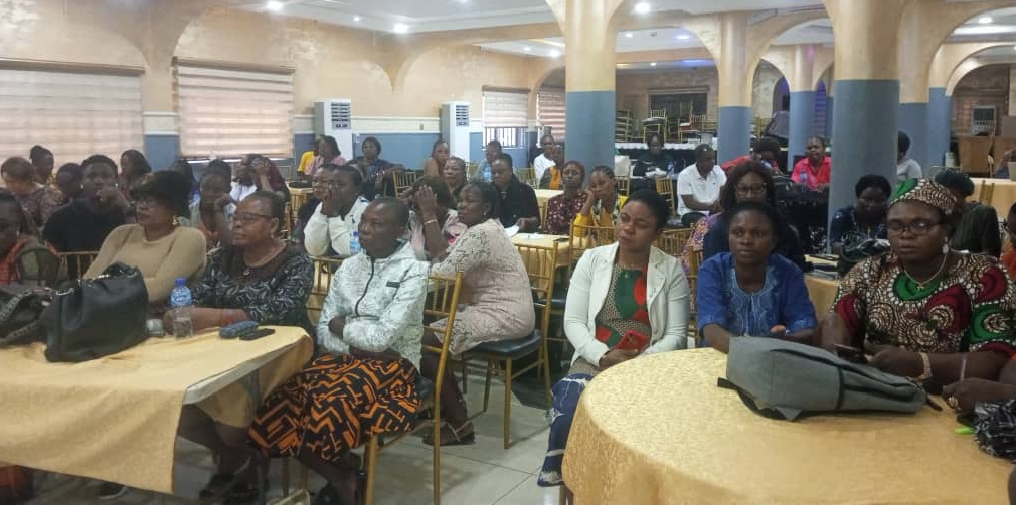
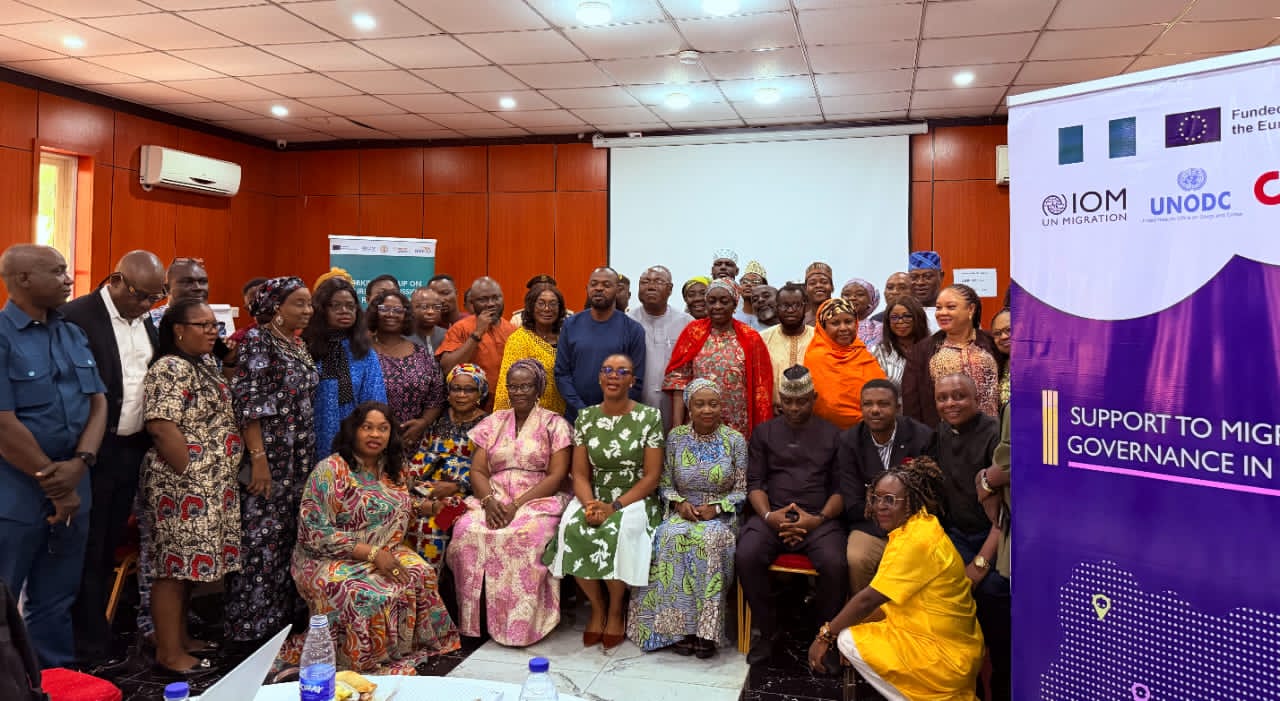
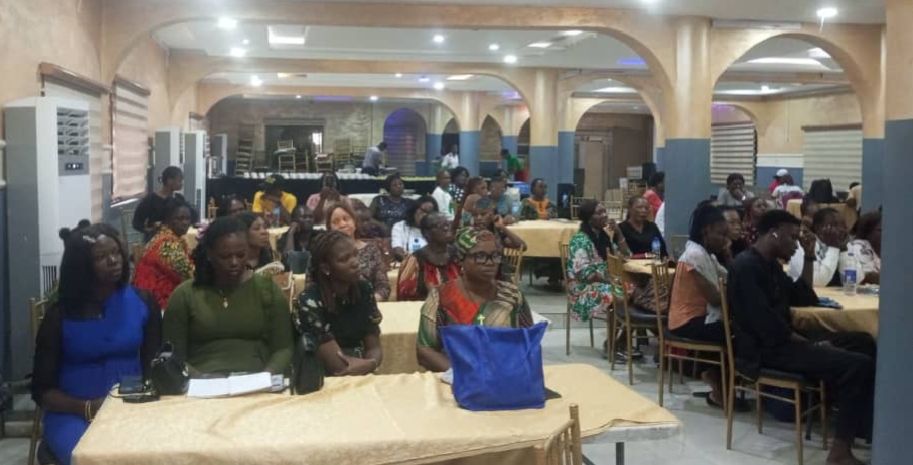
A cross section of participants SYDANI Initiative for International Development
As part of its Saving Lives and Livelihoods (SLL) Project implemented in Anambra State, the SYDANI Initiative for International Development in Nigeria recently organized a two-day capacity-building workshop on life-course vaccination for health workers from Anambra West, Ogbaru, and Nnewi North Local Government Areas.
The SLL Project, funded by the Africa Centres for Disease Control and Prevention (Africa CDC) in partnership with the Mastercard Foundation, is implemented in Anambra through a sub-contract with AMREF.
Through this project, SYDANI is enhancing healthcare workers’ skills, improving access to immunization in underserved communities, and strengthening the state’s preparedness for future health emergencies.
Speaking at the event, Olufumilayo Dehinbo, a project officer for SYDANI’s SLL Phase 2, explained that the initiative was prompted by the COVID-19 pandemic, which exposed critical weaknesses in health systems.
“The SLL aims to strengthen healthcare workers’ capacity, integrate life-course vaccines into routine immunization, and prepare for future pandemics. We selected these three LGAs because they do not benefit from the Federal Government’s programs targeting zero-dose LGAs, which aim to increase immunization coverage,” she said.
“These LGAs have a high number of zero-dose children, a trend common to all 37 LGAs nationwide classified under this category. The project also extends vaccination to adults, especially tetanus-diphtheria (TD) vaccines for women of childbearing age and pregnant women.”
Dehinbo revealed that Anambra is among the top five performing states out of the ten supported by SYDANI under the SLL, according to data from a national dashboard monitoring weekly and monthly targets.
“However, there is still room for improvement. That is why we continue supporting them with capacity building in areas such as service delivery, logistics, community engagement, and advocacy beyond the SLL project cycle,” she added.
Addressing the participants, the Executive Secretary of the Anambra State Primary Health Care Development Agency, Pharm.
Chisom Uchem, described the SLL project as timely and transformative.
Represented by Dr. Placid Uliagbafusi, Director of Disease Control and Immunization, Pharm. Uchem commended SYDANI’s efforts in Anambra West, Ogbaru, and Nnewi North—LGAs known for immunization gaps.
“We are building capacity to save lives. This training is a continuation of SYDANI’s work over the past two to three months in our state,” she said.
“It is helping us improve our immunization capacity and coverage. After this training, we expect healthcare workers to become more competent and efficient.”
Pharm. Uchem urged health facility workers not to relent until the project’s goals are fully achieved, stressing the importance of accurate data collection and continuous learning to deliver quality healthcare services.
The State Immunization Officer, Mrs. Edith Onwuka, explained that the life-course immunization approach—covering all age groups—is one of the critical lessons learned from the COVID-19 pandemic.
“The pandemic caught many countries unprepared. Life-course immunization builds immunity against specific diseases and future outbreaks,” she said, also highlighting challenges faced in the three focus LGAs.
“Anambra West and Ogbaru have many riverine settlements and farming camps that are difficult to access, with Ogbaru further affected by insecurity. Nnewi North, while showing high coverage on paper, has a small target population—meaning some children are still missed.”
Onwuka emphasized the role of SYDANI and state monitors in tracking outreach performance, noting her recent visit to Ogbaru where community members eagerly received vaccination services.
SYDANI’s State Lead for the SLL Project, Shadrach Nwekeagu, expressed satisfaction with participants’ engagement and enthusiasm during the training.
He said the sessions covered topics such as data management, disease surveillance, financial management, budgeting, and micro-planning, as well as strategies for addressing performance gaps in the field.
“Participants were particularly impressed with the training manual—developed by SYDANI in collaboration with the National Primary Health Care Development Agency, AMREF, Africa CDC, and other stakeholders. Many said they had never seen such a comprehensive manual before.
“We are updating their knowledge and introducing innovations where applicable. If they apply these lessons at their facilities, their performance will significantly improve,” Nwekeagu added.
Several health workers praised the capacity-building session and SYDANI’s overall intervention in the state.
Ijeoma Okoye, Officer in Charge of Mputu PHC, said, “The training is very relevant. SYDANI’s intervention has helped us reach more people in the community. The funds they provide have been instrumental in reaching hard-to-reach areas.”
Juliet Nsofor from Umunankwo PHC shared similar sentiments: “This training is very impactful. I have updated my knowledge about recent modifications and changes. Some of the practices we didn’t follow before, we will now implement when we return to our facilities,” she pledged.