

WARDC, GAC Push SRHR Policy Review in Anambra
By Kenchukwu Ofomah, Awka
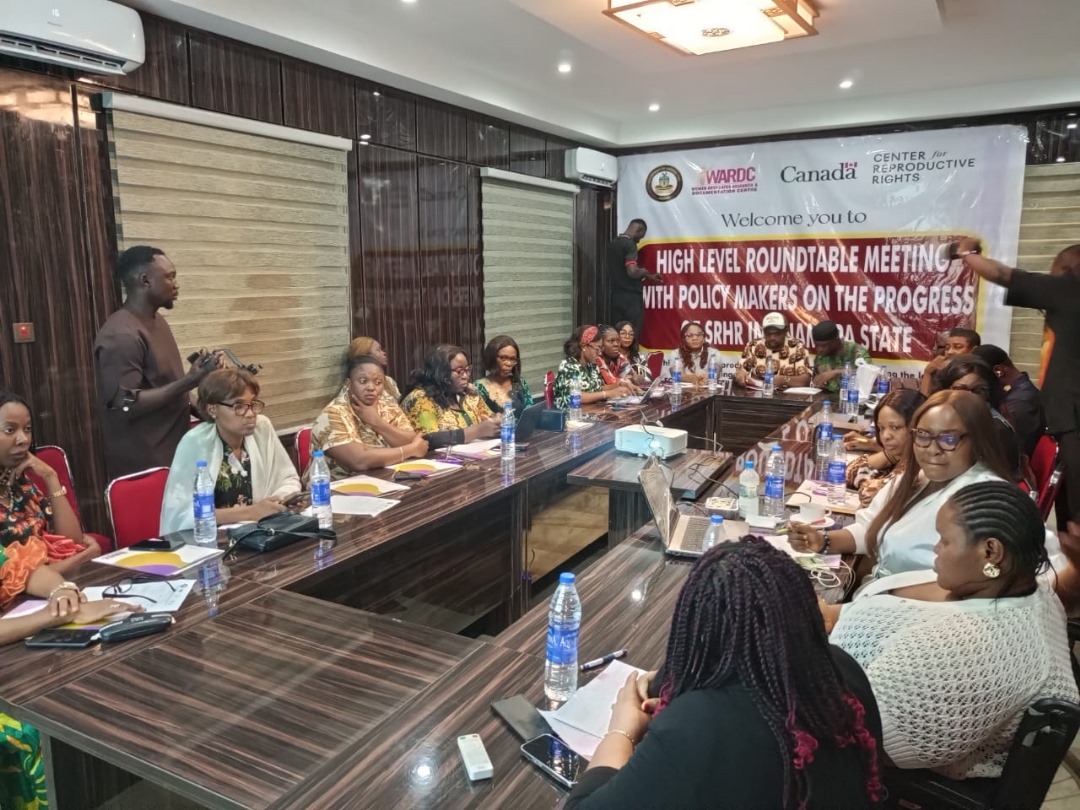
The need for collaboration among key healthcare stakeholders to strengthen S@xual and Reproductive Health and Rights (SRHR) for women and adolescent girls in Anambra State formed the crux of a high-level at a one-day roundtable meeting with policymakers.
The meeting reviewed progress made under the SRHR 2020–2025 framework in the state.
The event was organized by the Women Advocates Research and Documentation Centre (WARDC) under the project Changing the Law, Changing Lives, supported by Global Affairs Canada (GAC) and the Center for Reproductive Rights (CRR), in partnership with the Anambra State Ministry of Health.
The project focuses on promoting awareness and accountability in the implementation of SRHR policies and programs across seven states: Gombe, Jigawa, Akwa Ibom, Ogun, Osun, Lagos, and Anambra.
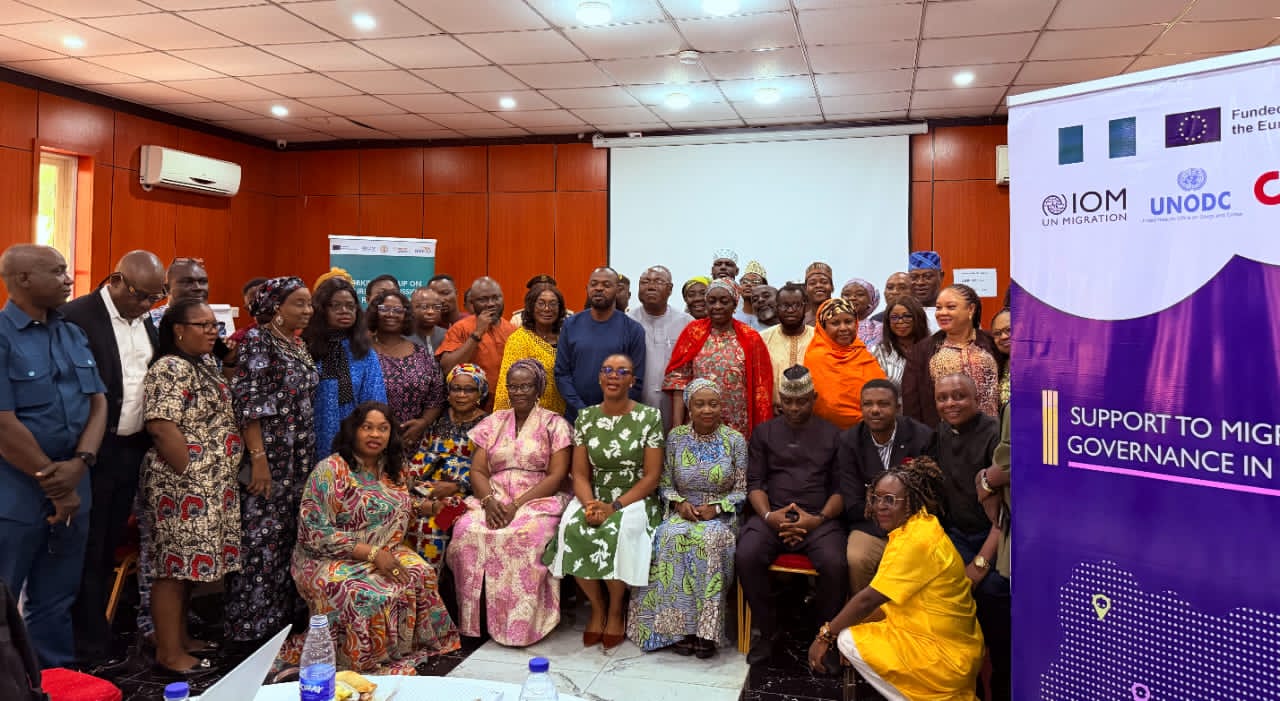
The roundtable brought together policymakers, government officials, healthcare professionals, civil society organizations, observatory groups, academics, the media, and development partners. Participants reviewed findings from recent SRHR exploratory research, assessed progress made, identified persistent gaps, and developed action plans for future implementation.
In her welcome remarks, WARDC Founding Director Dr. Abiola Akiyode-Afolabi—represented by Jennifer Nwokedike, said that the program seeks to enhance accountability at both state and federal levels in providing access to SRHR services.
She highlighted the importance of effective implementation of the STOP Guideline through stronger legal frameworks, including the enactment of relevant laws.
Akiyode-Afolabi further noted that the meeting aimed to expand awareness of SRHR among adolescent girls through social media campaigns, community platforms, and learning hubs. She stressed the role of advocacy in supporting ongoing SRHR-related litigation in Nigeria.
“The ultimate goal is to reduce maternal mortality, expand access to quality SRHR services, and ensure that the rights of women and girls are respected, protected, and fulfilled,” she stated.
Anambra State Commissioner for Health, Dr. Afam Obidike, commended the multi-stakeholder approach toward reinforcing SRHR in the state.
He noted that government efforts alone are insufficient and require the partnership of civil society organizations to give life to existing SRHR-related legislation.
He highlighted several initiatives under the Chukwuma Soludo administration aimed at reducing maternal mortality, including the launch of the Patients’ Bill of Rights (PBoR), the provision of free antenatal and delivery services in all public health facilities, and the introduction of free cervical cancer vaccinations.
“We, as a government, acknowledge that challenges still exist. Following this meeting, we will begin to address the issues raised, with a view to finding sustainable solutions,”
“We believe that every s@xually-active woman should have access to s@xual and reproductive health rights and the full range of available options, so she can make informed choices about her health and body.”Obidike stated.
WARDC State Coordinator, Eucheria Onyemobi, emphasized the importance of review meetings such as this, advocating for their regular organization to ensure ongoing evaluation of interventions and the maximization of impact.
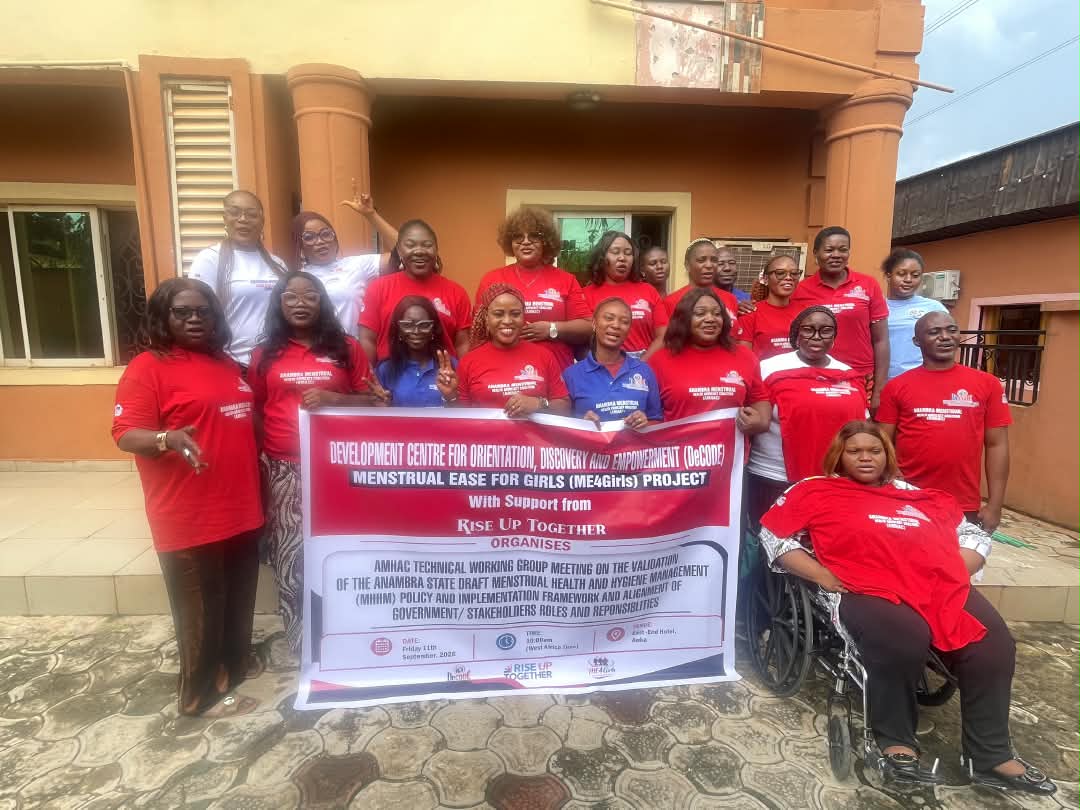
At the close of the meeting, stakeholders resolved to cascade the discussions to local levels, intensify sensitization on SRHR, harmonize efforts between CSOs and government agencies, ensure grassroots outreach, and guarantee the inclusion of persons with disabilities in all SRHR awareness campaigns.