

States Can Drive Economic Growth as Allocations Rise by 111%, Says Finance Minister
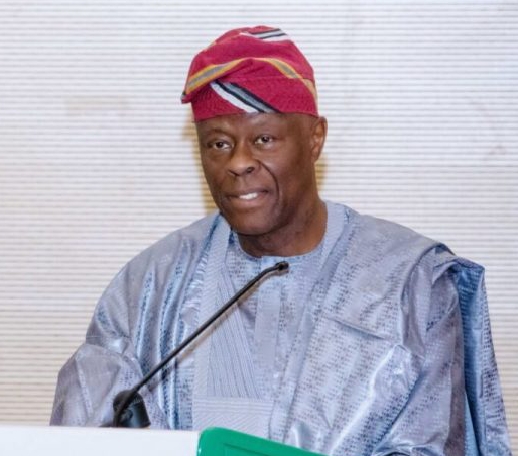
Minister of Finance and Coordinating Minister of the Economy, Mr. Olawale Edun
The Federal Government has revealed that allocations to states have increased by over 111% since the beginning of the current administration.
This disclosure was made on Monday by the Minister of Finance and Coordinating Minister of the Economy, Mr. Olawale Edun, during a session at the 31st Nigerian Economic Summit (#NES31) in Abuja.
Speaking at a panel titled “The Reform Imperative: Building a Prosperous and Inclusive Nigeria by 2030,” Edun stated that state governments now have significantly more fiscal space, with increased revenue flows empowering them to drive economic growth and improve service delivery at the sub-national level.
The minister attributed the fiscal expansion to major structural reforms, notably the unification of the foreign exchange market and the removal of the petrol subsidy.
According to him, these measures have unlocked fiscal resources equivalent to approximately 5% of Nigeria’s GDP, now redirected into the Federation Account.
Edun said that these reforms are foundational to the government’s economic agenda and are designed to enhance fiscal sustainability, boost investor confidence, and promote inclusive development.
In addressing fiscal governance, the minister announced that the Federal Government, in collaboration with the National Assembly, has resolved to enforce timely budget implementation and restore adherence to the standard fiscal calendar.
“No more extensions of the budget into the following year, which has created so much confusion in the system,” “We have reached an agreement with the National Assembly to restore normalcy in that regard.”Edun said.
He stressed that consistent and disciplined execution of the budget is essential for transparency, effective project delivery, and credible tracking of public expenditure.
Despite this, both the 2024 and 2025 budgets are currently being implemented concurrently. Due to the delayed start of the 2025 budget, there is a likelihood it will be extended into 2026—posing a potential contradiction to the administration’s commitment to restoring fiscal discipline.
On debt management, Edun outlined a shift in the government’s borrowing strategy, aimed at reducing reliance on Eurobonds and other forms of external debt.
“The government will increasingly leverage alternative instruments such as Sukuk, green bonds, and diaspora bonds in place of Eurobonds,” he stated.
He explained that this strategy not only aligns with Nigeria’s sustainable development objectives but also encourages deeper domestic capital market participation, enhancing resilience against external financial shocks.
Regarding fiscal transparency, Edun disclosed a critical gap in public financial oversight that has only recently been addressed.
“It was not until August 1 this year that the Federal Government gained full visibility into its accounts with the Central Bank of Nigeria (CBN),” he revealed.
The minister reiterated the administration’s commitment to transparency, accountability, and reform-driven economic management as essential pillars for long-term national prosperity.