


Eze Iweka III, Others Advise Youths Against Illicit Drugs, Cultism, Touting, Criminality
By Uzo Ugwunze
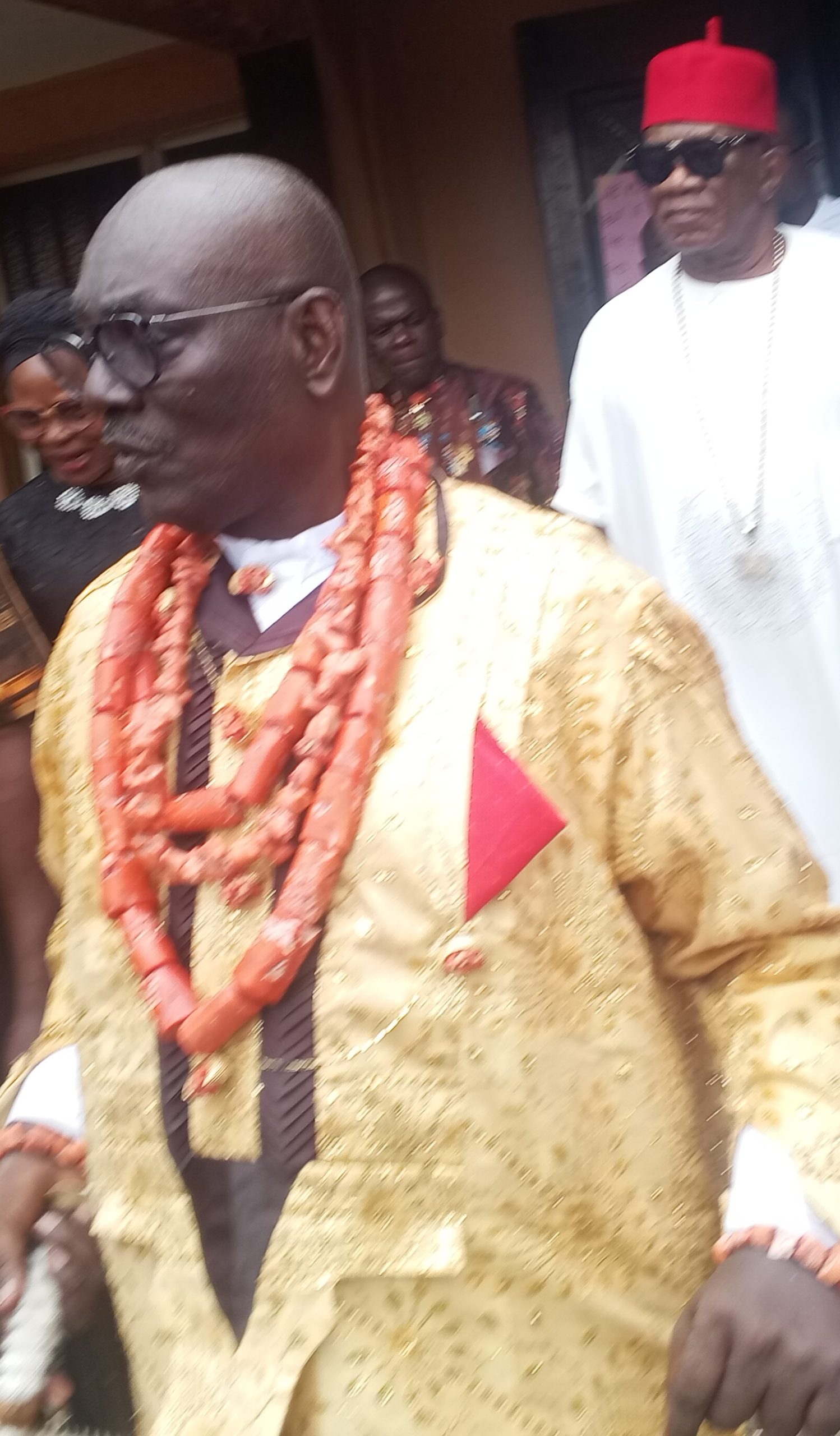
The Chairman of the Anambra State Traditional Rulers Council, His Majesty Igwe Chidubem Iweka, Eze Iweka III, has urged Nigerian youths to steer clear of drug abuse, cultism, and all forms of criminality, warning that such vices can destroy their promising futures.
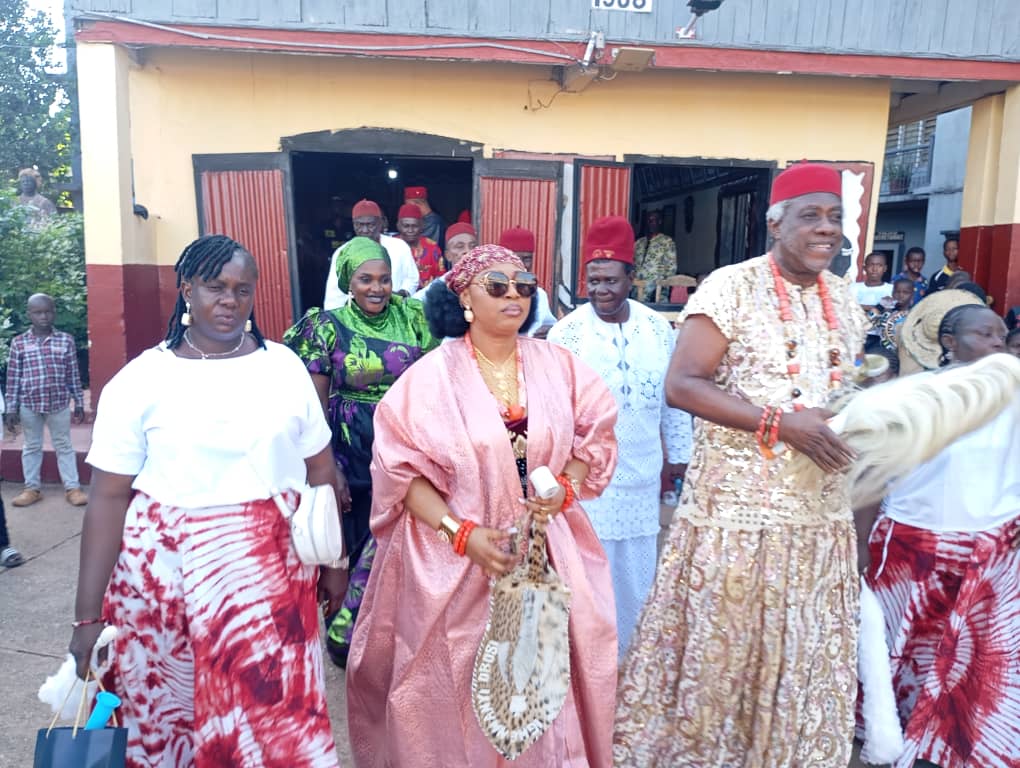
Speaking at his palace in Obosi, Idemili North Local Government Area of Anambra State during the 2025 Obiora/Iwaji Youth Carnival, Eze Iweka III emphasized that the youth, as future leaders, must aspire to emulate notable figures such as Emeka Anyaoku, the former Secretary-General of the Commonwealth and a distinguished son of Obosi.
“Firstly, Obiora Obosi which some refer to as Ofala is not merely a time for the New Yam harvest and festival. It is a season of peace and unity. It is a time to love your neighbor as yourself and to share your yam with the less privileged,” “Our ancestors recognized that peace is fundamental to human existence. Without peace, one cannot achieve greatness. That is why a law was established that anyone caught fighting or causing unrest during the Obiora Festival would be fined.”the monarch stated.
Eze Iweka III explained that the Youth Carnival was added to the Obiora festivities in recent years as a platform to foster unity and engagement among young people.
“Today, we have over 600 youths dressed in resplendent costumes, showcasing our rich cultural heritage. These young people connect, exchange ideas, and innovate—especially in this era of the internet and artificial intelligence.”he said.
The monarch further advised youths to shun illicit lifestyles such as drug abuse, prostitution, cultism, and other criminal behaviors.
“Cultism is a one-way street—you can’t come out. Even if you renounce it, you could be killed in cult-related clashes,” he warned.“Young people must reject such paths and focus on becoming doctors, lawyers, and professionals who will bring pride to their families and communities. They should strive to achieve greatness like Emeka Anyaoku, the Adazie Obosi.”
Similarly, the Chairman of the Obiora/Iwaji 2025 Planning Committee, Nze Kenneth Ifeatu Obi (Omelora Obosi), highlighted the structure and purpose of this year’s Youth Carnival.
“We divided the carnival into two key events. Tuesday was dedicated to instilling the cultural and traditional values of Obosi in our youths, while Thursday will be set aside for a marathon of lectures by the NDLEA, anti-cult groups, and other resource organizations,” “These sessions aim to equip our youth with the knowledge and discipline needed to make sound decisions in life.”he said.
Obi noted that various youth participants portrayed traditional figures such as the Igwe, Lolo, Ndichie, and Iyom, and were reverently received by the community.
“They practiced for months before today. In the process, they learned about our history, traditions, and way of life. .“Thursday’s lectures will teach them that hard work and the dignity of labor pay far more than touting, land grabbing, drug trafficking, or the pursuit of quick money—which often leads to untimely death.”he said.
He added that outstanding Obosi sons and daughters who were raised in the community would receive awards as role models to inspire the younger generation.
“For example, I had my primary education at Umuota Primary School, Obosi, and attended Community Secondary School Obosi. I even rebuilt Umuota Primary School in 2014. These stories matter to our youth,”
“After the award presentations, the Gala Night will follow, featuring performances by celebrity artists from across Nigeria.”Obi noted.
Also speaking, the Chief of Staff to the palace, Chief Shadrach Okenwa—one of the organizers of the carnival parade—expressed gratitude to God for a successful event.
He promised that the 2026 edition would be even bigger and better and called on individuals and organizations to support the now globally recognized Obosi Youth Carnival.
Highlights of the Carnival include a grand procession and parade featuring youths in colorful costumes representing various villages, societies, and cultural identities, homage to Eze Iweka III at his palace and Traditional dances and cultural displays before the king.