Trump Confirms U.S. Strikes on Iran Alongside Israel
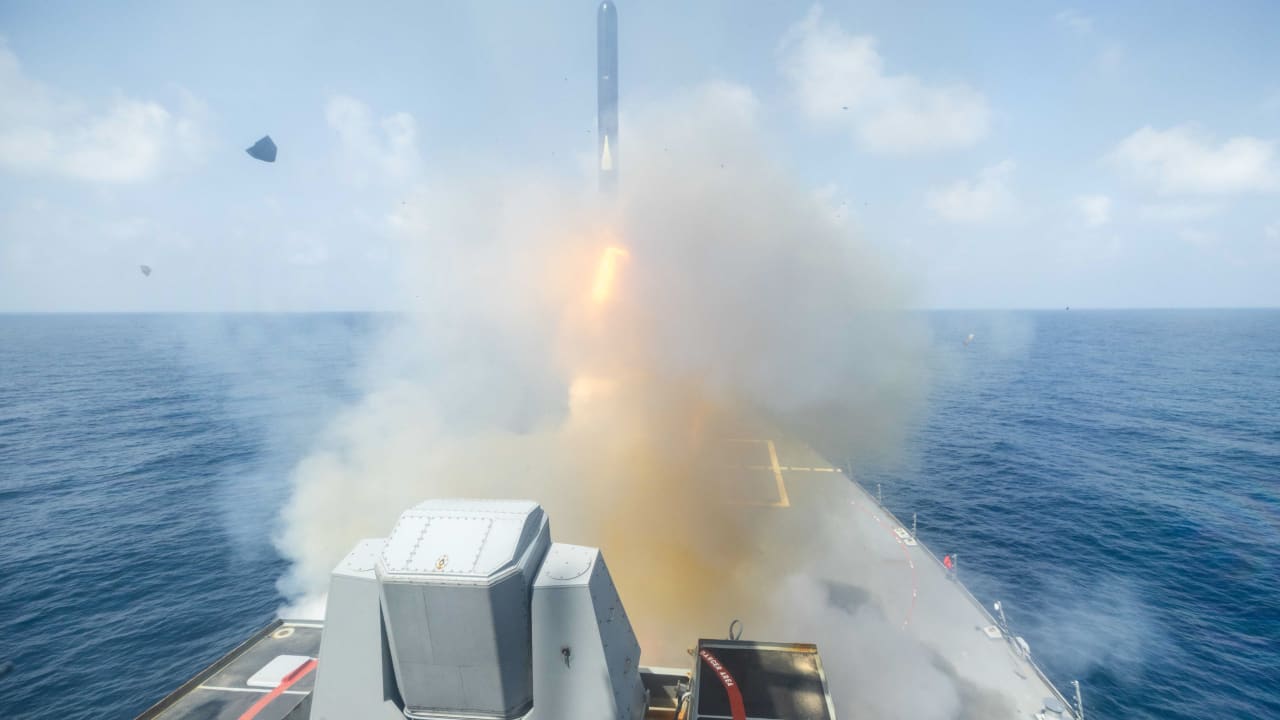
US forces launch Operation Epic Fury. US Central Command (CENTCOM) commenced Operation Epic Fury, Feb. 28, at the direction of the President of the United States.(photo credit: US Central Command Public Affairs)
U.S. President Donald Trump has confirmed that he ordered American forces to launch strikes on Iran, describing the operation as “massive and ongoing” and aimed at preventing what he called imminent threats to U.S. lives.
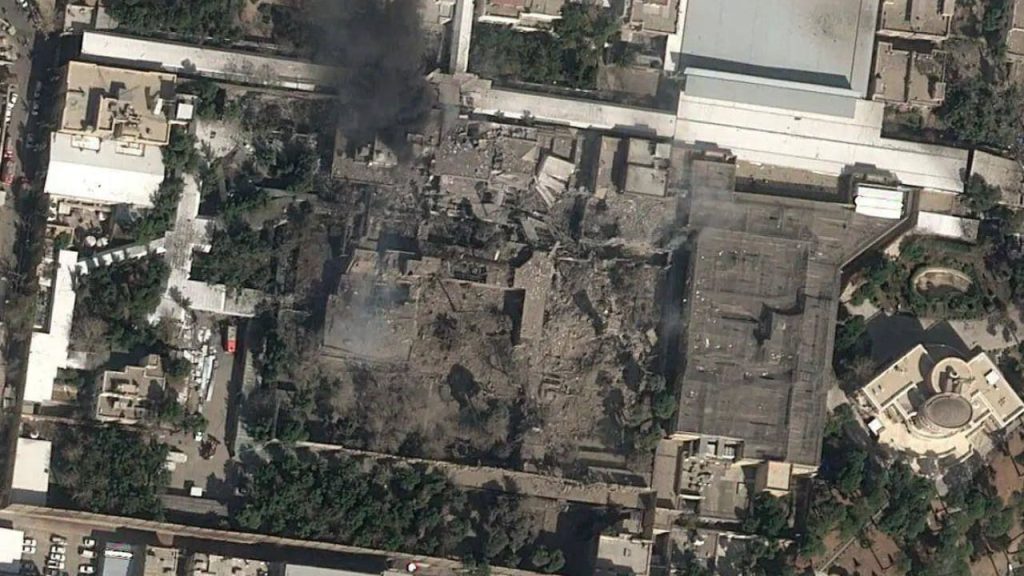
Iranian nuclear site destroyed by US -Israeli strike on Saturday morning
The strikes, which U.S. officials said were carried out in coordination with Israel, came a day after Washington and Tehran held indirect talks over Iran’s nuclear programme. The timing mirrors events in June last year, when Israel attacked Iran during negotiations between Tehran and Washington, triggering a 12-day war.
According to Al Jazeera, missiles struck University Street and the Jomhouri district in the Iranian capital, Tehran, early Saturday.
Israel’s Defence Minister, Israel Katz, earlier confirmed that Israeli forces had launched attacks on Iranian targets.
In a video address announcing the operation—dubbed Operation Epic Fury,Mr Trump acknowledged the risks involved.
“The lives of courageous American heroes may be lost,” “But we’re doing this not for now; we’re doing this for the future. It is a noble mission.”he said.
Reports indicate that the U.S. and Israeli strikes occurred shortly after renewed diplomatic engagements concerning Iran’s nuclear activities. Mr Trump alleged that Iran had been attempting to rebuild its nuclear programme following U.S. strikes on Iranian nuclear facilities during last year’s conflict.
Tehran, however, maintains that its nuclear programme is strictly for peaceful purposes and denies seeking nuclear weapons.
Several countries,including Iran’s Arab neighbours, many of which are U.S. allies had urged Washington to avoid military action, warning that such a move could destabilise the Middle East.
On Friday, governments including those of the United States, China and the United Kingdom advised their citizens to leave Iran and Israel amid fears of broader conflict.
The U.S. also urged its citizens in Gulf states such as Qatar and Bahrain to seek shelter.
Both Iran and Israel have since closed their airspace. Air-raid sirens were reported across parts of Israel as authorities instructed residents to seek shelter.
In the weeks leading up to the strikes, the U.S. significantly increased its military presence in the region, deploying additional fighter jets, bombers and naval assets. A U.S. official told Reuters that Mr Trump had received briefings describing the operation as a “high-risk, high-reward” scenario—one that could potentially reshape the geopolitical balance of the Middle East in favour of U.S. interests.
The Pentagon characterised the offensive as one of the most consequential military actions undertaken by the U.S. in recent years. Analysts note that the scale and scope of the campaign surpass previous targeted operations and signal a marked escalation in Washington’s posture toward Tehran.
An Israeli official claimed that Iran’s Supreme Leader, Ayatollah Ali Khamenei, and President Masoud Pezeshkian were targeted in the strikes. Iranian authorities have not confirmed these claims.
Israeli Prime Minister Benjamin Netanyahu called on Iranians to “take to the streets to finish the job,” suggesting support for internal opposition to Iran’s leadership.
Iran’s Islamic Revolutionary Guard Corps (IRGC) threatened to target U.S. bases and interests across the region, vowing retaliation until “the enemy is decisively defeated.” Iranian strikes were reported against Israeli and Gulf targets following the initial U.S.-Israeli offensive.
Security experts warn that Iran retains significant retaliatory capabilities, including ballistic missiles, drones and cyber warfare assets. Daniel Shapiro, a former U.S. ambassador to Israel and senior Pentagon official, described the operation as “a major gamble,” cautioning that some Iranian weapons could penetrate U.S. and allied defences.
Mr Trump outlined expansive objectives for the campaign, including dismantling Iran’s missile infrastructure, weakening its navy and curbing the influence of Tehran-backed groups across the region.
This marks the second major confrontation between Israel and Iran in less than a year. The previous conflict, in June, lasted 12 days and resulted in hundreds of casualties and widespread destruction on both sides. While the U.S. initially supported Israel defensively, it later joined direct strikes against Iranian targets.
The latest operation deepens fears of a protracted and unpredictable regional war.