

World Bank Applauds Abia’s Healthcare Transformation
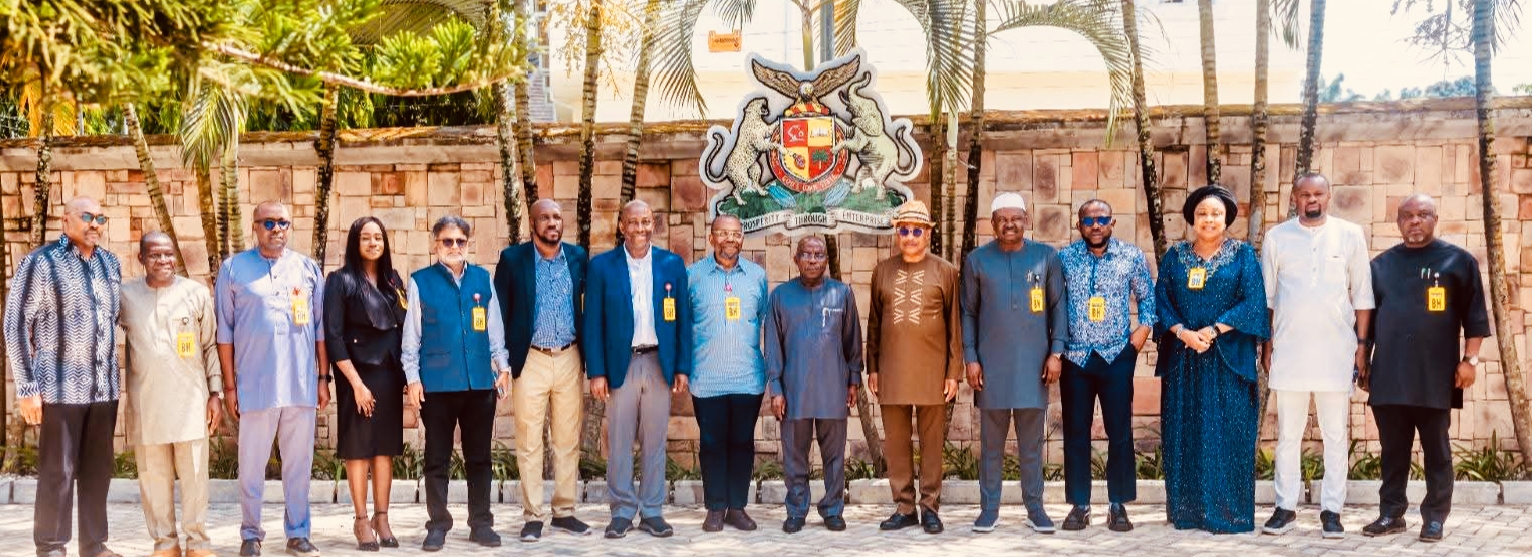
Governor of Abia State Dr Alex Otti Middle in a group photograph with delegates from World Bank in Umuahia recently
The World Bank has commended the Abia State Government for its transformative strides in healthcare delivery, noting that the State is fast emerging as a model for others across Nigeria.
This commendation was conveyed by a World Bank delegation led by Senior Health Specialist, Dr. Olumide Okunola, during a courtesy visit to the Governor of Abia State, Dr. Alex Otti, at his office on Thursday.
The Chief Press Secretary to the Governor, Ctz. Ukoha Njoku Ukoha, disclosed this in a statement.
Speaking during the visit, Dr. Okunola explained that the delegation was in the State on a Public Financial Management (PFM) Mission focused on assessing how financial systems support effective healthcare service delivery, particularly at the primary healthcare level.
He stated that Abia State was deliberately selected as a case study due to its growing reputation in strengthening healthcare systems and financing basic services.
“We are here as part of a World Bank mission to States, referred to as a Public Financial Management Mission as it relates to health service delivery. We selected Abia to understudy how the State is structured to provide the necessary financial support for basic healthcare services,” Okunola said.
He revealed that over the past three days, the delegation had engaged extensively with key government officials, including the Commissioners for Health, Budget, and Finance, as well as the Secretary to the State Government.
The team also conducted on-site assessments of primary healthcare facilities across the State.
Dr. Okunola expressed profound satisfaction with the findings, describing the State’s efforts as exceptional.
“We are very impressed with what the State Government is doing. There is clear evidence of substantial investment in the renovation of healthcare facilities, recruitment of healthcare workers, and improved remuneration to attract and retain skilled professionals,” he noted.
He further disclosed that the team had made recommendations aimed at sustaining the current momentum and ensuring long-term efficiency in service delivery.
He also reaffirmed the World Bank’s commitment to strengthening its partnership with Abia State across critical sectors.
“We believe that Abia has set a commendable example. There are valuable lessons here that other States can learn from, and we are taking these insights with us,”
“The World Bank is already engaged with the State in several areas, including health, education, and water resources. As long as the State continues to demonstrate results and seek partnership, we remain willing and committed to supporting its development agenda,” Okunola stated.
Responding, Governor Alex Otti expressed appreciation to the World Bank team for its encouraging assessment and constructive engagement.
He reiterated that his administration’s investments in health and education are deliberate and anchored on the firm belief that human capital development is the cornerstone of sustainable growth.
“We are not undertaking these initiatives merely as a matter of fulfilling campaign promises. From the outset, we allocated 15 percent and 20 percent of our budget to health and education, respectively, and we will continue to maintain that priority because we believe that is where the bulk of resources should be directed,” Otti stated.
Governor Otti further highlighted the State’s ambitious initiative to rehabilitate 200 primary healthcare centres.
While acknowledging the aggressive timeline, he emphasized that the focus remains on quality and sustainability.
“We insisted on meeting minimum standards, ensuring the availability of consumables, deploying qualified personnel, and maintaining functional infrastructure. That is why we improved compensation for healthcare workers and took deliberate steps to strengthen the workforce,” he explained.
The Governor, however, expressed concern over the low utilization of public health facilities by citizens, attributing it to years of neglect that eroded public trust.
“People are not accustomed to functional primary healthcare centres. Many still resort to unqualified traditional healers, sometimes with fatal consequences. We must rebuild that confidence and make our facilities both accessible and attractive,” he said.
He also underscored the importance of integrating digital solutions into governance and service delivery, noting that the State is working towards a unified system across sectors.
“We are adopting an ‘all-of-government’ approach by integrating healthcare, education, and budgeting systems through digitalization to enhance efficiency and transparency,” he added.
Governor Otti assured the delegation of the State’s readiness to align with recommended frameworks and maintain openness to continuous learning and improvement.
He also expressed gratitude to the World Bank team for its willingness to support Abia State.
Those present at the meeting included the Secretary to the State Government, Dr. Emmanuel Meribole; the Commissioner for Health, Prof. Enoch Ogbonnaya Uche; the Commissioner for Budget and Planning, Mr. Kingsley Anosike; the Senior Special Assistant on Health, Dr. Mrs. Ngozi Azodo; and the Senior Special Assistant on Multilateral and Donor Agencies, Mr. Odinaka Eric Eme, among others.
