


No Equity, No Deal: AHF Nigeria Takes Stand Ahead of Critical WHO Talks
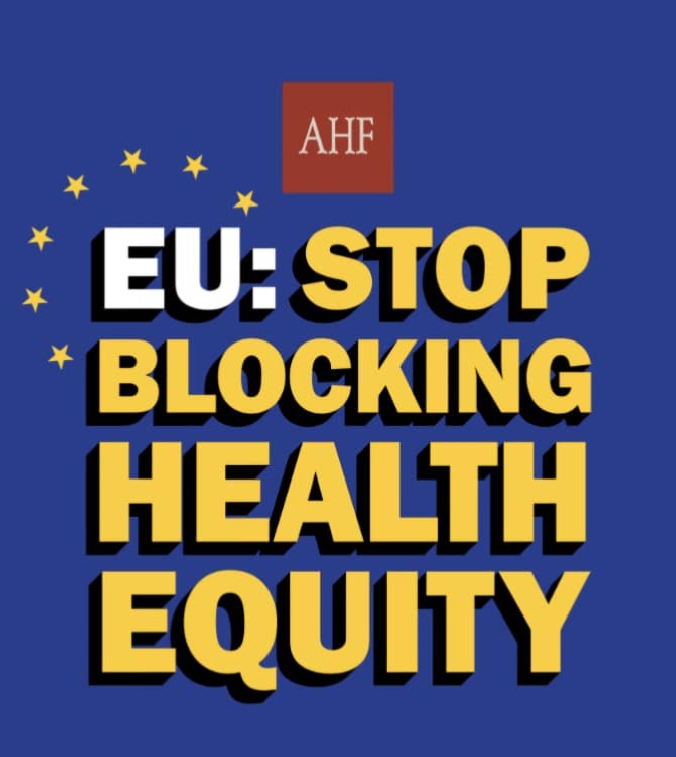
AIDS Healthcare Foundation (AHF) Nigeria is taking a firm position ahead of critical negotiations at the World Health Organization (WHO), urging Member States to finalize a strong, binding Pathogen Access and Benefit-Sharing (PABS) Annex to the WHO Pandemic Agreement.
The appeal comes as delegates prepare to reconvene in Geneva from April 27 to May 1 for the resumed sixth meeting of the Intergovernmental Working Group (Part B)—widely regarded as the last opportunity to secure agreement before the World Health Assembly in May.
Although the WHO Pandemic Agreement was adopted in May 2025, it remains incomplete without the PABS Annex, a critical mechanism that determines how pathogen samples and genetic sequence data are shared globally. More importantly, it governs how the benefits derived from that data—such as vaccines, diagnostics, and treatments—are distributed.
Without this annex, the agreement cannot move forward, leaving a dangerous gap in global pandemic preparedness.
AHF Nigeria warned that the stakes could not be higher as the COVID-19 crisis exposed profound inequalities in access to lifesaving tools, with many low- and middle-income countries left behind.
“Without a robust and enforceable PABS framework, the same patterns risk repeating in future health emergencies. The outcome of the upcoming negotiations will shape how the world responds not only to pandemics, but also to Public Health Emergencies of International Concern and the periods between outbreaks, when preparedness and vigilance remain essential.
At the core of AHF Nigeria’s message is a simple principle: there can be no agreement without equity. “We are calling for a legally binding PABS Annex that guarantees enforceable benefit-sharing obligations across all phases of global health response—not just during pandemics, but also during emergencies and interpandemic periods.
“Central to this demand is the need for mandatory, clearly defined benefit-sharing measures. AHF Nigeria insists that obligations must be established upfront and not left to delayed or opaque bilateral negotiations.
“These should include reserved allocations of vaccines, diagnostics, and treatments for equitable distribution; pre-negotiated licensing agreements; technology and know-how transfer to support production in developing regions; and annual financial contributions from manufacturers. Public access to non-commercial outputs must also be ensured.
It also identified transparency and accountability as equally critical. “AHF Nigeria is advocating for standardized contracts agreed upon in advance by countries to ensure traceability and enforceability.
“The organization strongly opposes any system that allows anonymous access to pathogen data. Such loopholes could undermine both accountability and biosecurity. Mandatory user registration and data access agreements are essential to maintaining the integrity of the system.
In addition, AHF Nigeria rejects any “hybrid” or dual-track approaches that separate access to pathogen materials from benefit-sharing obligations, noting that systems risk creating gaps that allow responsibilities to be bypassed, weakening the overall framework.
The organization also called for a public health–driven approach to intellectual property. “Non-commercial use of shared materials should not lead to monopolies, and that where commercial products are developed, licensing agreements must allow the WHO to sublicense technologies—particularly to manufacturers in developing countries.
Alongside a coalition of civil society groups, health unions, and networks representing people living with HIV/AIDS, AHF Nigeria has consistently emphasized that global health cooperation must be rooted in fairness.
It insisted that those who benefit from shared scientific resources must contribute meaningfully and transparently in return.
With negotiations entering their final phase, AHF Nigeria underscores that this moment represents a rare and decisive opportunity.
“We acknowledge that for all countries, this is, perhaps, the last major opportunity to shape a multilateral cooperative instrument.
“A fair instrument that is capable of effectively preventing pandemics and ensuring an equitable system where pathogen materials and genetic sequence information are not extracted from developing countries without the sharing of fair benefits in return.
“A strong PABS Annex can bring countries together and prevent the unacceptable inequities that disproportionally affected Global South countries during the last pandemic.
“What we are demanding is the need to build an effective and equitable system, which is to the benefit of all,” it concluded.
