

Ndi Igbo Interest Best Served Within United, Functional Nigeria — Soludo
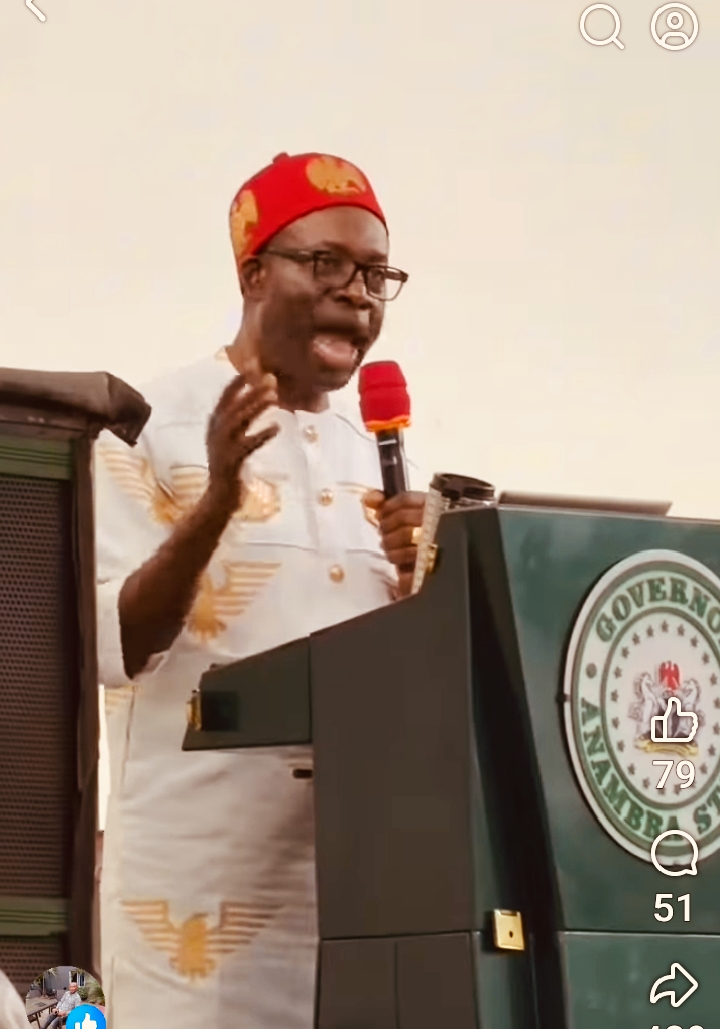
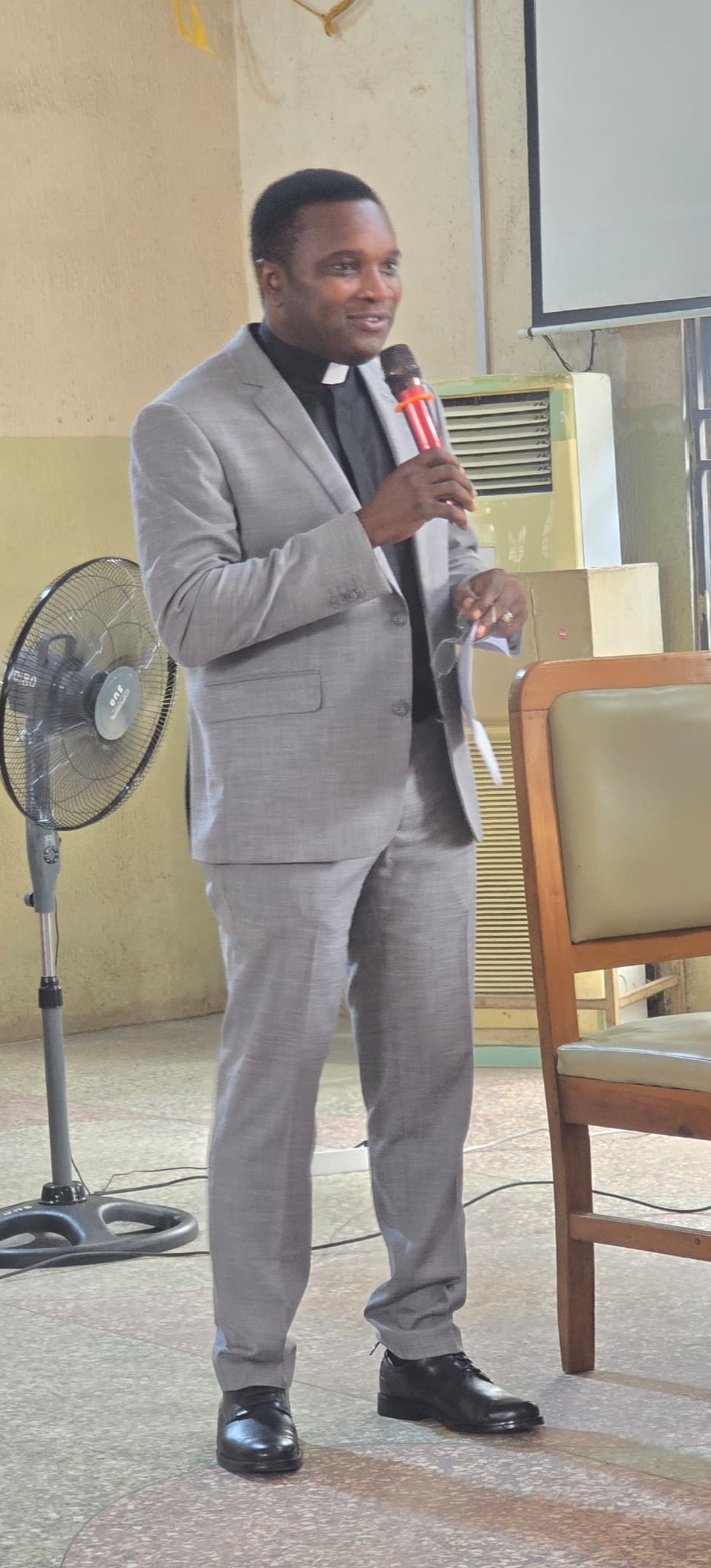
Governor of Anambra State Prof Charles soludo delivering the 6th Biennial Adada Lecture Series (2026 Edition) organized by the Association of Nsukka Professors (ANP).
The Governor of Anambra State, Charles Soludo, has stated that the interests of Ndi Igbo are best served within a united and functional Nigeria.
Soludo made this assertion on Tuesday while delivering a lecture titled “Our Future in Our Past: Intellectualism and the Making of an African Renaissance.”
He spoke as a Guest Lecturer at University of Nigeria, Nsukka (UNN), during the 6th Biennial Adada Lecture Series (2026 Edition) organized by the Association of Nsukka Professors (ANP).
In a statement issued by his Chief Press Secretary, Mr. Christian Aburime, it was clearly emphasized that Igbo integration within Nigeria’s federal system remains the most viable option for Ndi Igbo.
In his assessment of Nigeria’s academic institutions, Soludo questioned why intellectual discourse appears to have lost its influence in national life.
He observed that despite the production of thousands of professors and academic journals, there remains a “severed link” between academic research and public policy.
“If you have 200 professors as members, how is the Adada zone not a first world?” he queried.
He challenged the audience to move beyond the confines of academia and engage actively in policymaking.
“We produce journal articles, but how many have become policies? Intellectualism without activism is sterile,” he said.
The governor further advocated for what he described as “productive intellectualism,” where critical thinking is directed toward achieving public purpose.
Drawing from his first tenure over the past four years, Soludo explained how he has sought to integrate intellectualism into governance through what he termed “sacrificial volunteerism.”
He noted that his administration has laid the foundation for what he envisions as an “African Dubai–Taiwan–Silicon Valley.”
According to him, nations do not develop solely through resources but through ideas that precede and shape institutions.
He cited historical figures such as Isaac Newton, Nnamdi Azikiwe, Obafemi Awolowo, Kwame Nkrumah, and Ahmadu Bello as examples of individuals whose logical thinking generated transformative ideas that later shaped societies.
The governor challenged intellectuals and the wider academic community to embrace multitasking, emphasizing that the modern intellectual must be both a thinker and a doer.
“Questioning the status quo remains a fundamental element of true intellectualism,” he said.
He further called for a deeper sense of personal responsibility, stressing that despite systemic constraints, individuals must take action toward shaping collective destiny.
“Standing akimbo is too expensive. We do not just live; we live to matter. It is time to return to the basics and drive the African renaissance through active participation,” Soludo stated.
Speaking earlier, Professor Osita Ogbu, who presided as Chairman, observed that the true measure of academic excellence lies not in complacency but in an unrelenting quest for discovery, coupled with the courage to apply knowledge to real-world challenges.
He asserted that intellectuals are never satisfied but remain committed to continuous work and improvement.
Echoing this view, the Vice-Chancellor of the University of Nigeria, Nsukka, Professor Simon Ortuanya, described the occasion as a significant homecoming for Governor Soludo.
He paid tribute to the governor, commending his transformative contributions to Nigeria and his broader commitment to the service of humanity.
During the event, Governor Soludo was presented with an Award of Excellence by the organizers.