When the Rains Came, Awka Drowned: The Deadly Price of Urban Planning Failure
Titus Eleweke
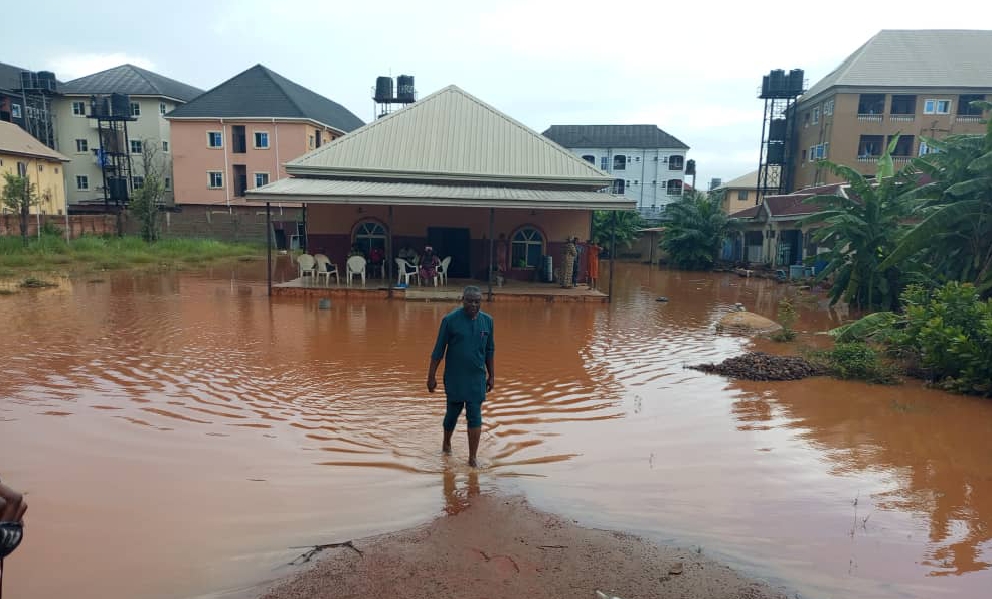
What happened in Ifite-Awka Anambra State capital on Sunday night was not merely a natural disaster; it was the predictable consequence of human negligence, weak urban governance, and the steady collapse of environmental discipline in in Awka and many Nigerian cities.
While residents slept expecting the calming rhythm of rainfall, they woke to submerged homes, collapsed fences, destroyed livelihoods, and shattered hopes.
The destruction of the Foursquare Gospel Church headquarters and the loss of properties worth hundreds of millions of naira stand as painful symbols of a deeper crisis festering within the urban planning architecture of Awka.
Flooding in Nigeria is too often dismissed as an unavoidable seasonal occurrence.
Yet the tragedy in Ifite-Awka exposes a truth authorities frequently ignore: many floods are man-made disasters intensified by reckless development and regulatory failure.
Nature may provide the rain, but human actions determine whether rainfall becomes nourishment or catastrophe.
At the center of this environmental crisis lies the persistent abuse of natural waterways.
Reports from residents and community leaders indicate that developers erected structures on drainage paths originally designed to channel floodwater into nearby canals.
This obstruction disrupted the natural flow of water, forcing massive volumes of runoff into homes, streets, churches, and businesses.
Such actions reveal a dangerous culture where profit and rapid urban expansion are prioritized over environmental sustainability and public safety.
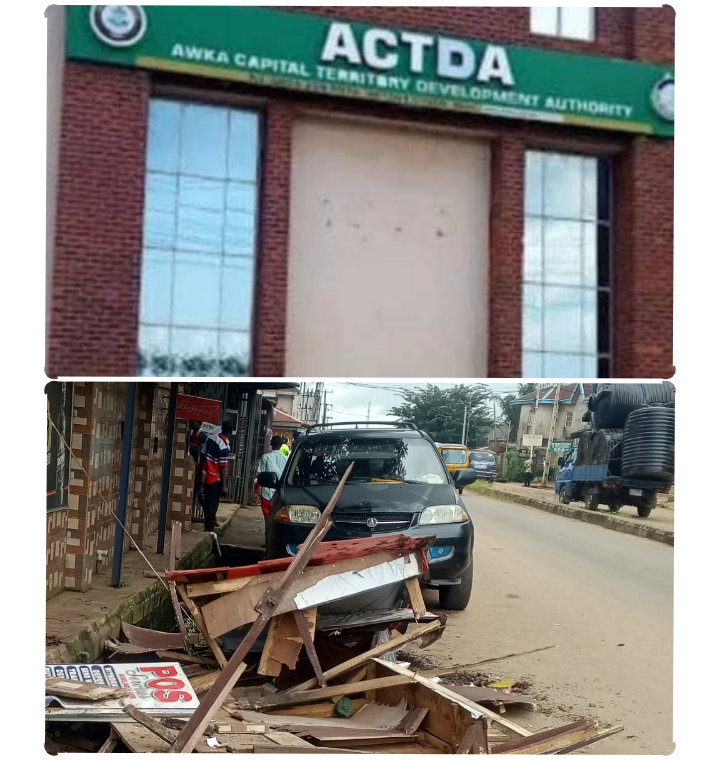
Equally troubling is the apparent failure of the Awka Capital Territory Development Authority (ACTDA) to enforce building regulations.
Urban planning laws exist not merely as bureaucratic formalities, but as safeguards against exactly this kind of disaster.
When regulatory agencies fail to monitor construction activities or allow politically connected developers to violate environmental standards with impunity, cities become vulnerable death traps waiting for heavy rainfall to expose their weaknesses.
The testimonies of affected residents reveal the emotional and economic toll of this negligence.
Families lost household items, businesses watched their goods swept away, and worship centers saw valuable instruments and official documents destroyed overnight.
Beyond the immediate material damage lies psychological trauma, the fear that each rainfall may bring another wave of destruction.
Communities cannot thrive under the constant anxiety of environmental insecurity.
The situation also reflects a broader urbanization crisis confronting rapidly growing Nigerian cities,like Awka. As populations expand, developers rush to maximize land use, often with little regard for ecological realities. Wetlands disappear, drainage channels shrink, and buildings emerge on flood plains that were never meant to accommodate permanent structures.
The result is a fragile urban ecosystem incapable of withstanding even moderate climate pressures.
Climate change further complicates the challenge. Across Nigeria, rainfall patterns are becoming increasingly intense and unpredictable.
Cities without resilient drainage infrastructure or proper environmental management will continue to experience devastating floods.
Therefore, the Ifite-Awka incident should serve as a wake-up call, not only for Awka,Anambra State but for urban authorities nationwide.
Government intervention must go beyond sympathy visits and temporary relief efforts.
Authorities must immediately identify and reclaim blocked waterways, demolish illegal structures obstructing drainage channels, and strengthen enforcement of environmental regulations.
Urban planning agencies should be held publicly accountable whenever preventable disasters occur due to regulatory lapses.
Anything short of decisive action would amount to institutional complicity.
There is also a pressing need for modern drainage systems capable of accommodating increasing volumes of stormwater in Awka.
As residents rightly observed, existing drainage channels are grossly inadequate for the topography and population density of the area. Infrastructure development must anticipate future environmental realities rather than merely respond to recurring disasters.
Citizens, too, have responsibilities. Environmental abuse often thrives because communities tolerate illegal developments until tragedy strikes. Residents must resist the normalization of building on waterways and support policies that protect ecological balance, even when enforcement appears inconvenient.
Ultimately, the flooding in Ifite-Awka is a stark reminder that environmental disasters are rarely accidental. They are usually the cumulative result of ignored warnings, weak institutions, and short-sighted development practices.
Unless Awka and Nigerian cities begin to treat urban planning as a matter of public survival rather than administrative routine, they will continue to witness avoidable tragedies each rainy season.
Rainfall should bring life, renewal, and prosperity and not sorrow, displacement, and destruction.
The people of Ifite-Awka deserve more than sympathy; they deserve competent governance, environmental justice, and a city designed to protect rather than endanger them.