
Prof. Okonta Wants UPTH Cardiac Centre Upgraded as South-South Regional Heart Centre
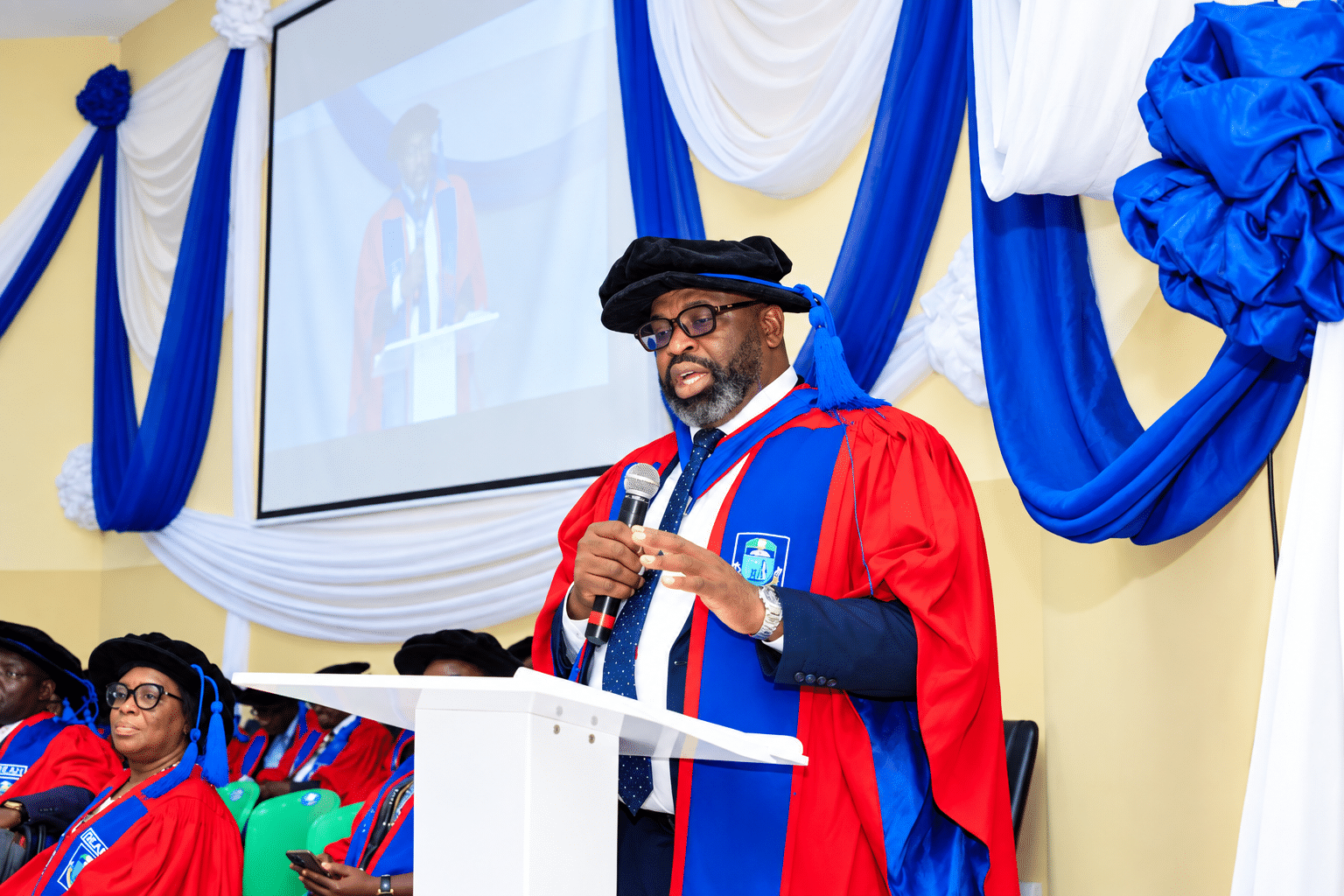
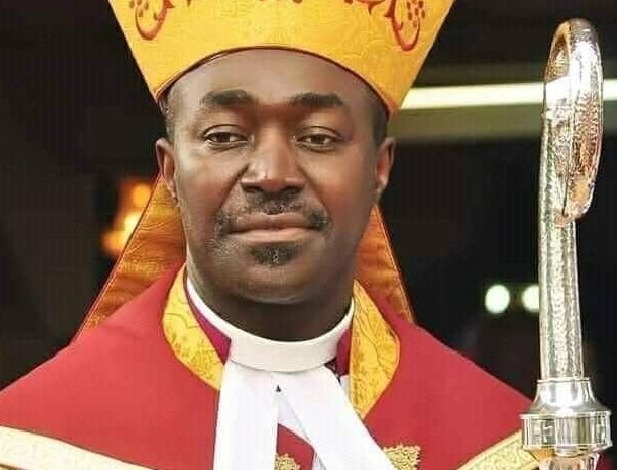
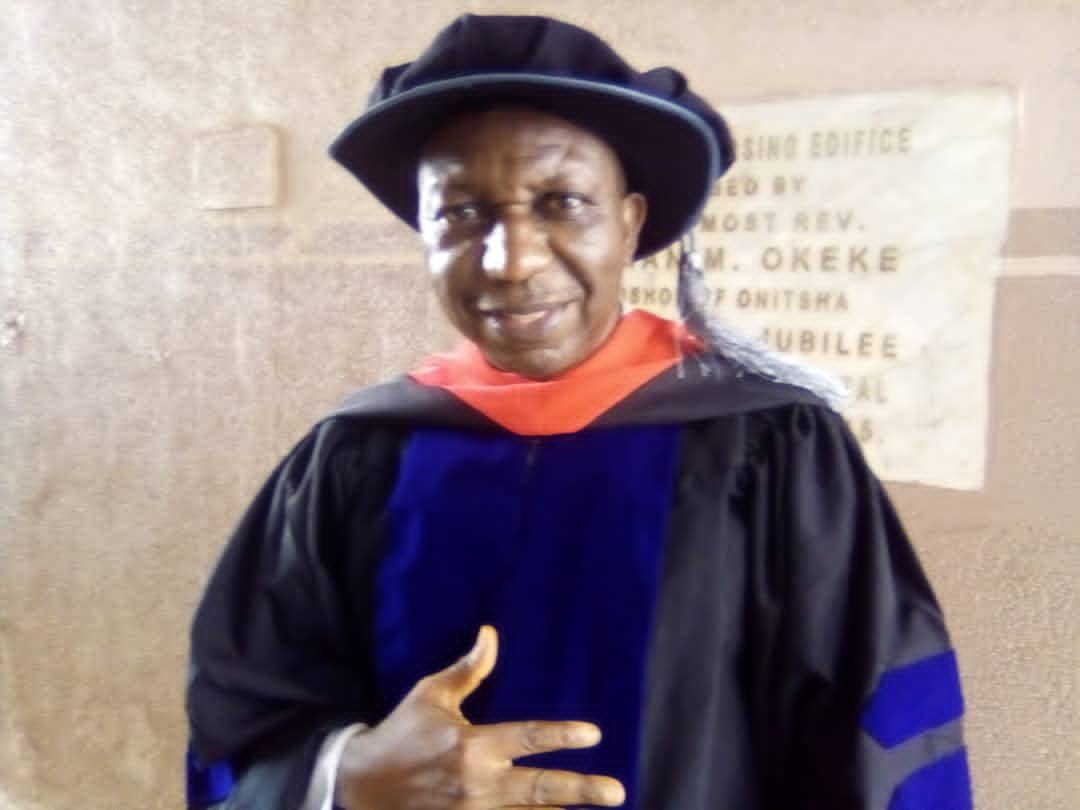
Prof. Kelechi Emmanuel Okonta
A Professor of Cardiothoracic Surgery in the Department of Surgery, University of Port Harcourt, Rivers State, and Consultant Cardiothoracic and Vascular Surgeon at the University of Port Harcourt Teaching Hospital (UPTH), Prof. Kelechi Emmanuel Okonta, has recommended the joint upgrading of the Cardiovascular and Thoracic Centre at UPTH into a Centre of Excellence.
Prof. Okonta further recommended that, upon completion of the upgrade, the facility should be designated the South-South Regional Cardiac Centre, with the capacity to provide advanced cardiovascular and thoracic surgical services to patients across the region.
He made the recommendations while delivering the University of Port Harcourt’s 214th Inaugural Lecture, titled “For the Beat and the Breath: Protect the Athlete.”
Prof. Okonta, who is the first Abia-born citizen to attain the rank of Professor of Cardiothoracic Surgery, said Nigeria had developed significant expertise and capacity in specialised cardiothoracic care and should therefore strengthen its institutions and reduce the need for patients to travel abroad for treatment.
He stressed that cardiac emergencies and other life-threatening conditions require timely intervention, noting that “the heart cannot wait.”
According to him, patients should not have to travel abroad to “keep the beat alive” when the requisite skills and expertise are already available within the country.
Prof. Okonta also recommended the unbundling of Cardiothoracic and Vascular Surgery into four autonomous subspecialties, namely Adult Cardiac Surgery, Paediatric Cardiac Surgery, Thoracic Surgery and Vascular Surgery.
He explained that the increasing complexity of cardiovascular, thoracic and vascular diseases makes greater subspecialisation essential for improved patient outcomes.
“Bleeding respects no anatomical border,” he said.
He stressed that each of the four domains requires focused multidisciplinary teams, dedicated intensive care units and specialised training to enable healthcare professionals to control haemorrhage more rapidly and effectively.
Prof. Okonta also called for the establishment of a comprehensive Thoracic Oncology Programme at the University of Port Harcourt.
He recommended that the programme should include a Lung Cancer Registry, a Multidisciplinary Tumour Board and a dedicated Lung Cancer Clinic.
“Cancer steals the breath silently. Only data, teamwork and early tissue diagnosis can give it back,” he said.
He called for the scaling up of the institution’s Tru-Cut biopsy innovation and the strengthening and institutionalisation of its LUNGSAFRICA collaboration.
The professor also strongly recommended the establishment of a Molecular Diagnostics Laboratory at the University of Port Harcourt, noting that modern cancer care, transplant medicine and the management of complex bleeding disorders increasingly depend on accurate molecular and genetic information.
“Personalised therapy for lung cancer, transplant immunology for the beat, and coagulopathy profiling for the bleed all require genes, not guesswork,” he said.
“We cannot import every result and still claim sovereignty over our patients’ survival.”he added.
Prof. Okonta further recommended the formal inclusion of a cardiothoracic surgeon in all university and state sports medical teams.
He said athletes could develop potentially life-threatening cardiovascular and thoracic conditions requiring specialised assessment and emergency intervention.
“The trunk houses the beat and the breath,” he said.
He cited conditions such as commotio cordis, pectus deformities and exertional pneumothorax as important cardiovascular and thoracic concerns in athletes.
According to him, prevention, early recognition and appropriate medical intervention should be regarded as integral components of sports performance and athlete safety.
Prof. Okonta said his professional journey in cardiothoracic and vascular surgery had been framed by three fundamental imperatives: to aid the Beat, to stop the Bleed and to restore the Breath.
Reflecting on some of the clinical challenges encountered in his career, he said even relatively small cardiac lesions could have devastating consequences, while conditions outside the heart could also significantly compromise cardiovascular function.
He recalled cases in which early surgical intervention and appropriate decompression were necessary to prevent life-threatening complications.
He also highlighted the burden of trauma across the Niger Delta, noting that severe injuries could leave devastating consequences for patients and families.
According to him, the thoracic cavity could also be affected by cancer, requiring evidence-based approaches, accurate epidemiological data and innovative surgical techniques.
He said advances in clinical practice had included the use of data to influence healthcare policy, improved surgical techniques and innovative approaches to managing complex thoracic and vascular conditions.
On respiratory diseases, Prof. Okonta noted that conditions such as bronchopleural fistula could significantly compromise breathing and that respiratory infections could have wider public-health consequences.
He also emphasised the distinctive challenges posed by lung cancer among African populations, arguing that local research and context-specific approaches were necessary to improve diagnosis and treatment.
He said innovations in reconstructive surgery, minimally invasive diagnostic techniques and the development of transplant programmes represented important areas of progress in cardiothoracic medicine.
“None of this was for the sake of publication alone. Each paper was a patient. Each first was a life. Each innovation was born because necessity is the mother of invention, and in our theatre, necessity wears a human face,” he said.
Prof. Okonta said the subject of the lecture was particularly timely because several risk factors associated with cardiovascular, vascular and thoracic diseases remain prevalent in Nigerian communities.
He identified road traffic crashes, smoking, indoor air pollution and delayed presentation for medical care among the factors contributing to poor outcomes.
“This topic is timely because the risk factors for cardiac, vascular and thoracic diseases, like road crashes, smoking, indoor air pollution and delayed presentation, live in our communities.
“To lecture is to warn. To publish is to prepare,” he said.
According to Prof. Okonta, innovation in cardiothoracic surgery should not be regarded as a luxury but as an obligation to patients and future generations of medical practitioners.
He said sustained investment in innovation, research, training and specialised infrastructure would improve survival, strengthen the capacity of healthcare institutions and equip younger surgeons with the skills required to manage increasingly complex diseases.
He stressed that African patients deserved access to high-quality cardiovascular, thoracic and vascular care comparable to standards available elsewhere in the world.
“By driving it, we improve survival, teach the next generation, and ensure that the African patient deserves the same beat, the same bleed controlled, and the same breath restored, as any patient in the world,” he said.
He described the 3Bs as the foundation of his professional philosophy.
“The 3Bs are not just my practice. They are life itself. And so long as hearts must beat, blood must stay within vessels, and lungs must draw air, the cardiothoracic surgeon will stand at the boundary between life and death—with a knife in one hand, data in the other, and a covenant in his heart,” he added.
Prof. Okonta further stated that modern Cardiothoracic and Vascular Surgery rests on six major pillars: teamwork, resource stewardship, transplantation, minimally invasive surgery, blood conservation and personalised cancer care.
He explained that strengthening these areas would be essential to building a sustainable and high-quality cardiothoracic surgical system capable of meeting the needs of Nigeria’s growing population.
To secure these pillars for future generations and uphold what he described as the three fundamental imperatives of life—the Beat, the Bleed and the Breath—Prof. Okonta recommended the upgrading and regionalisation of cardiac surgical centres across Nigeria.
He said such regional centres, supported by appropriate infrastructure, specialist personnel, intensive care capacity, diagnostic services, research facilities and structured training programmes, would help expand access to advanced cardiac and cardiothoracic care and reduce the burden of delayed treatment and overseas medical travel.