


Ibeno/Ekid Crisis: Is There Hope for Peace in Akwa Ibom’s Oil Communities?
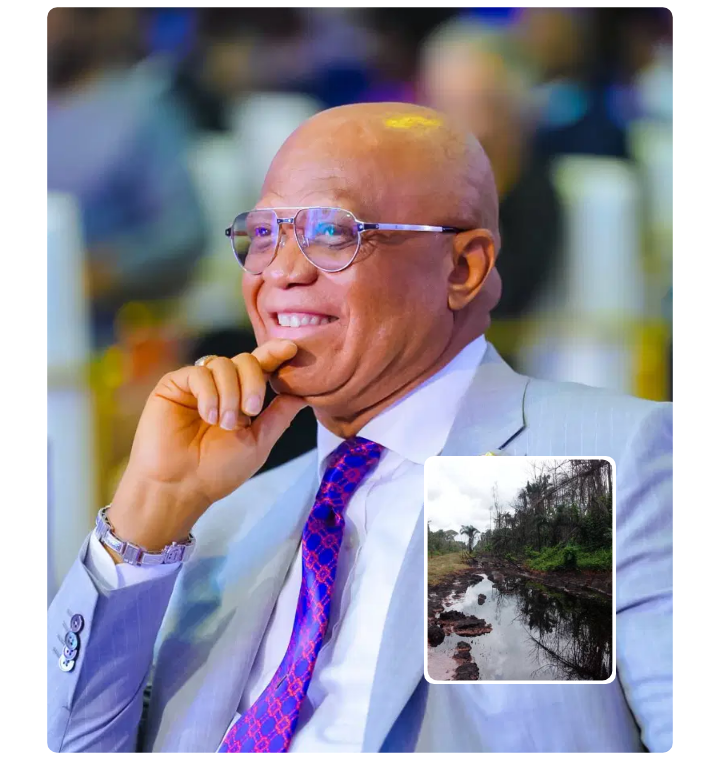
Governor of Akwa iUmo Eno
After years of intermittent clashes in the long-standing communal conflict between oil-rich Ibeno and its assertive Ekid neighbours, Governor Umo Eno has hinted at a possible resolution. In a decisive move, he inaugurated a peace committee, which he pledged to personally chair. Our Correspondent Reports:
“Justice is the only foundation for peace. Without it, conflict will not end.”
That was the passionate reaction of Chief Umani Ibono Ekaluo, during an emergency meeting of the Akwaha Esop Ndito Ibeno Worldwide held recently in Ukpenekang, the headquarters of Ibeno Local Government Area (LGA). His comments came in response to Governor Umo Eno’s announcement of a high-powered peace committee to address the decades-old ownership dispute among Ibeno, Eket, and Esit Eket over the oil-rich Stubb Creek region.
The governor’s direct involvement is the strongest indication yet that the Akwa Ibom State Government may finally move beyond rhetoric to resolve one of its most persistent and violent communal crises.
A Dispute Deeply Rooted in History
The Stubb Creek enclave, located along Nigeria’s Atlantic coastline and hosting multi-billion-naira oil and gas infrastructure, is the epicenter of this protracted conflict. Though modest in size, its economic importance is vast.
For over four decades, Ibeno, Eket, and Esit Eket,occasionally joined by Mbo have laid competing claims to the territory. These disputes, originally boundary disagreements, have evolved into violent confrontations, fueled by colonial-era administrative boundaries, historical treaties, and contested royalty allocations.
Successive governments have relied on oil wells, terminals, and pipelines in the disputed area to feed state and federal revenues. Yet, the communities hosting these assets remain embroiled in animosity and underdevelopment.
Governor Umo Eno’s Bold Intervention
At a stakeholders’ town hall meeting for the Eket Federal Constituency on August 2, 2025, Governor Eno declared that his administration would no longer stand by while coastal communities bleed.
He unveiled plans for a Peace Committee that he would personally chair, comprising two representatives each from Ibeno, Eket, and Esit Eket, with the possibility of including Mbo, given its boundary connection.
“We are determined to broker lasting peace,” “The committee will work transparently,reviewing historical claims, treaties, and royalty arrangements. Akwa Ibom cannot progress while our coastal communities remain in perpetual crisis.”the governor stated.
The announcement sparked cautious optimism. Many see it as a turning point,a chance to finally confront the root causes rather than apply short-term fixes.
Ibeno’s Reaction: Welcome, But Wounded
In Ukpenekang, leaders of Ibeno welcomed the move, describing it as “long overdue.” At a press briefing, Chief Umani Ekaluo recounted a litany of attacks suffered by the Ibeno community in recent years.
He cited the following incidents, that on February 28, 2024, armed men invaded Iwuoachang, killing seven, On November 8, 2024, Inua Eyet Ikot came under siege,on December 24, 2024 (Christmas Eve), Ndito Eka Iba was attacked; homes were torched, and nine children went missing and on2025: Two separate assaults occurred again in Inua Eyet Ikot, including one just a day before the Governor’s town hall meeting.
“These unprovoked attacks have left families bereaved, homes in ashes, and property worth billions destroyed,” “Relief has been absent, and government presence negligible—especially when compared with our neighbouring LGAs.”Ekaluo lamented.
He also accused the aggressors of a calculated attempt to destabilize Ibeno and undermine its economic relevance, despite the community hosting major oil firms like ExxonMobil (now Seplat Energy) and other national assets.
A Plea for Urgency, Not Delay
Ibeno leaders warned that their people had refrained from retaliation, not out of weakness but for fear of escalating the conflict and jeopardizing national oil interests.
“We do not want to frighten away investors in the oil and gas sector. But the situation is volatile. This committee must act fast,” Ekaluo stressed.
He urged the governor to ensure that the peace committee is swiftly inaugurated, impartial, and thorough in its work.
Past Failures: Lessons Not Yet Learned
The Ibeno–Eket–Esit Eket dispute has outlasted several administrations. Despite numerous panels and mediatory efforts,under Governor Victor Attah (1999–2007), a boundary demarcation project was initiated but stalled due to protests.
During Governor Godswill Akpabio’s era (2007–2015), dialogue and revenue-sharing talks were pursued but failed due to deep-rooted mistrust.
Governor Udom Emmanuel (2015–2023) attempted compensation via oil companies. Critics argued it only deepened community resentment.
More controversially, Governor Udom’s administration was accused of attempting to redraw the state map, reportedly to carve Ibeno and Eastern Obolo communities into Onna, Eket, and Esit Eket in a bid to redirect benefits from the Petroleum Industry Act (PIA) and Host Community Development Trust Fund (HCDTF).
These failed attempts have left many skeptical. Yet, Governor Eno’s decision to take ownership of the peace process is raising fresh hope.
The Human Cost: A War in the Shadows
Beyond the casualty figures and destroyed infrastructure lies a humanitarian crisis. Many displaced families still live in makeshift shelters, with children out of school and communities abandoned.
The economic impact is staggering,Fishing, Ibeno’s economic mainstay, has collapsed due to insecurity,Businesses have folded and Investors have withdrawn or put projects on hold.
Experts argue that any sustainable peace must go beyond dialogue. Justice, compensation, and equitable development must reach the grassroots.
What the Peace Committee Must Deliver
With expectations high, stakeholders have outlined key outcomes the committee must deliver,Establish Clear Boundaries through transparent consultation and expert-led mapping,Review Historical Claims using archival treaties, colonial maps, and previous royalty records,Recommend Reparations for victims, including compensation for destroyed properties,Ensure Equitable Development by allocating state projects fairly across affected communities and Guarantee Security by establishing permanent peacekeeping outposts to protect lives and strategic assets.
Anything short of these benchmarks, many warn, may doom the initiative to the fate of past failures.
A Defining Moment for Akwa Ibom
Governor Umo Eno’s peace drive comes at a critical time. As Akwa Ibom pursues economic diversification and seeks to attract foreign investment, peace in its oil-producing zones is non-negotiable.
“No investor will risk funding infrastructure in a region where oil terminals are threatened by communal wars,” one analyst observed.
By personally chairing the committee, Governor Eno is putting his political credibility on the line. If successful, the initiative could,End decades of bloodshed,Heal long-standing animosities and Create a new template for conflict resolution across the Niger Delta
For now, the people wait—hopeful but cautious as s Chief Ekaluo poignantly remarked.
“We are hopeful, but we are also watchful. Justice is the only foundation for peace. Without it, this conflict will not end.”