
Situation Room, SIDEC Onboard Project IMPACT, Mobilize Market Women, PWDs for Political Participation in Anambra, Imo
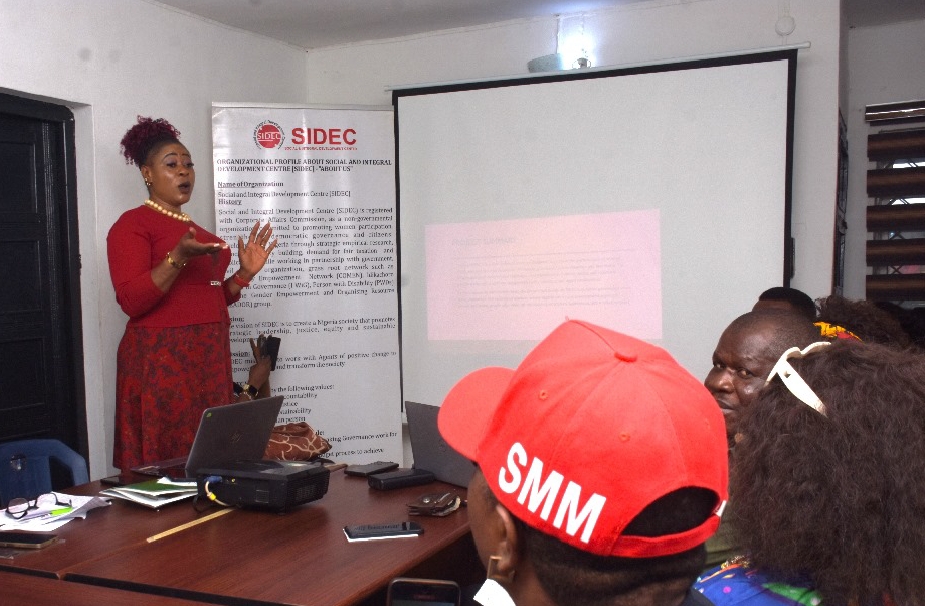
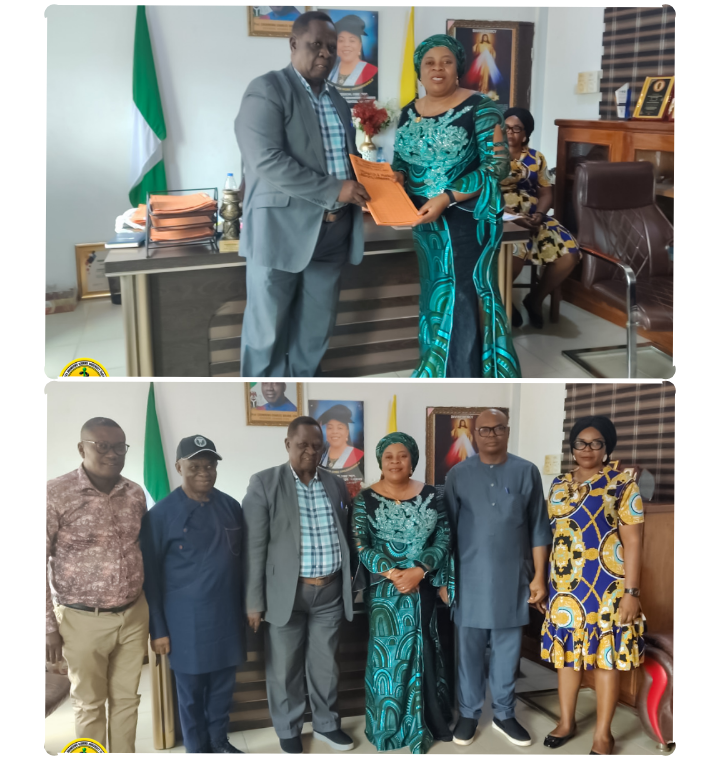
SIDEC Executive Director Ugochi Agalaba-Ehiahuruike
The Social and Integral Development Centre (SIDEC) has launched a grassroots mobilization campaign aimed at empowering market women and persons with disabilities (PWDs) in Anambra and Imo States.
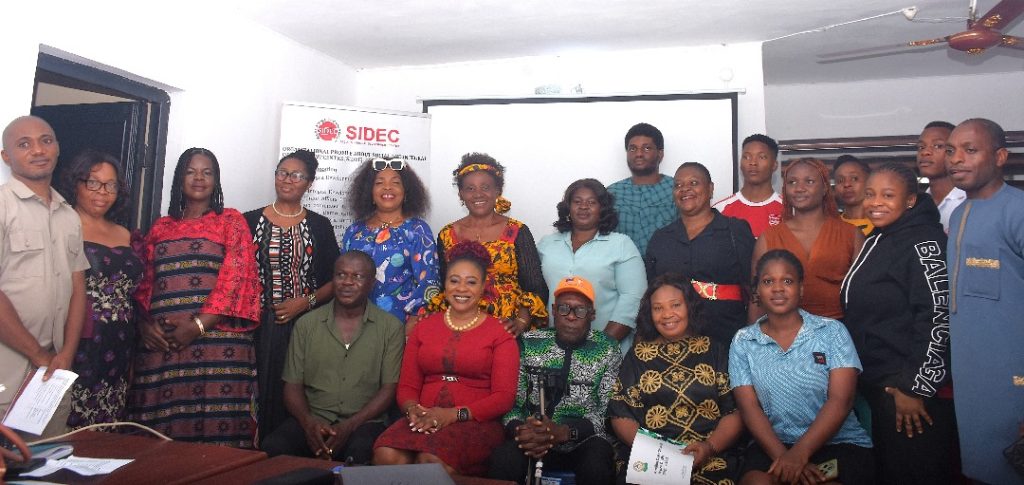
The project, titled Project IMPACT (Inclusive Mobilization for Participation, Advocacy, and Civic Transformation), is designed to raise political awareness among market women and PWDs, encouraging their active participation in governance at all levels.
Implemented by the Nigeria Civil Society Situation Room in partnership with SIDEC, and supported by funding from the UK Foreign, Commonwealth and Development Office (FCDO), Project IMPACT is a civic inclusion initiative. It seeks to increase the political participation of women, youth, and PWDs in Anambra and Imo States by addressing systemic marginalization, political apathy, and structural exclusion. This will be achieved through grassroots engagement, policy advocacy, and digital mobilization strategies.
Speaking at SIDEC’s office on Tuesday, Executive Director Ugochi Agalaba-Ehiahuruike emphasized the project’s focus on Anambra’s 158 structured markets, where women and youth dominate the trading and apprenticeship sectors.
According to her, despite their numerical strength, these groups remain significantly underrepresented in decision-making structures.
She noted that although 130 women were previously appointed into leadership roles across major markets in Anambra, these appointments were not democratically conducted.
Project IMPACT, she explained, aims to institutionalize democratic elections for women and PWDs in 15 strategically selected markets—five per senatorial zone.
The project’s activities in Anambra will include voter education forums, digital campaigns, radio jingles, leadership training, stakeholder dialogues, and strategic countermeasures against disinformation.
“Project IMPACT will also advocate for the adoption of the Special Seats Bill in Anambra and Imo States, where representation is alarmingly low—only 1 out of 30 legislators in the Anambra State Assembly is a woman, and Imo has none out of 27,” Agalaba-Ehiahuruike stated.
She highlighted the urgent need to tackle voter apathy, pointing to the historically low 10% voter turnout in the 2021 Anambra gubernatorial election, an alarming 89.97% non-participation rate. To address this, the project will combine grassroots civic education with strategic digital outreach, aiming to raise voter turnout to at least 25% in the next election cycle.
She added that SIDEC will collaborate with local civil society organizations in Anambra and Imo, such as Development Dynamics, Habitat Care, IPCRC, JDPC Nnewi, and JONAPWD to enrich the project’s implementation with local insights and partnerships.
“Project IMPACT aligns with the sub-thematic area of Inclusivity and Participation of Marginalised Groups by addressing the underrepresentation of women, youth, and PWDs in both formal political structures and informal community leadership,” she explained.
Agalaba-Ehiahuruike lamented the persistent exclusion of these groups from leadership roles, noting that despite Nigeria’s democratic progress, women, youth, and PWDs remain largely sidelined from political participation and decision-making processes.
She noted that this exclusion is particularly pronounced in the South-East, especially in Anambra and Imo States, where cultural, institutional, and informational barriers continue to undermine inclusive governance.
“Markets are central to the socio-economic life of Anambra State. With 158 structured markets serving as economic hubs filled with eligible voters, primarily women and youth, the underrepresentation in market leadership is concerning,” she said.
She explained that leadership in these markets remains male-dominated, due to financial barriers, entrenched cultural norms, lack of internal female solidarity, and a legacy of non-democratic appointments.
“ PWDs face even more significant challenges, including physical inaccessibility and exclusion from leadership consideration.
“Although previous interventions led to the appointment of 130 women to market leadership roles, these appointments were symbolic and lacked democratic legitimacy. Without formal elections or inclusive institutional frameworks, such representation fails to shift perceptions or encourage meaningful participation,” she added.
Agalaba-Ehiahuruike also cited poor female representation in legislative bodies, with only one female lawmaker out of 30 in Anambra’s House of Assembly and none in Imo’s 27-member assembly. Nationally, women hold just 3.7% of Senate seats and 3.9% in the House of Representatives.
To address this, she called attention to the Special Seats Bill, a proposed constitutional amendment to reserve legislative seats for women.
“This bill represents a bold move toward achieving gender equity and intersectionality, but awareness and grassroots support for it remain dangerously low,especially among the very women it seeks to empower,” she said.
She reaffirmed the project’s goal to institutionalize democratic leadership structures in 21 selected markets across Anambra, where women and PWDs can not only participate but also contest and win elections, moving beyond token roles like “women leaders.”
Also speaking at the event, Mr. Ugochukwu Okeke, Chairman, Anambra State chapter of the Joint National Association of Persons with Disabilities (JONAPWD), expressed appreciation that PWDs are being included in the mobilization.
He described Project IMPACT as timely, not only for the upcoming elections but for the long-term empowerment of both women and PWDs in market spaces.
Mr. Okeke called for the establishment of institutional structures to protect the rights of PWDs in marketplaces and during elections.
He urged SIDEC to work with security agencies to ensure the safety of PWDs, stating that assurances of safety would significantly increase their willingness to participate in elections.
Mrs. Chioma Okeke, Executive Director of Shoulder Gender Support, emphasized that while her organization is non-partisan, it is deeply committed to supporting women and PWDs.
“We’re focused on encouraging women to take up elective positions. It’s time for our women to engage not just in market leadership but also in state and national politics. We want our women in politics,” she said.