
One in Three Women Face Violence: Experts Warn as Anambra Steps Up Action
The Anambra State House of Assembly has renewed its commitment to advancing gender equality, justice, and social protection, with a sharpened focus on preventing violence against women and girls (VAWG).
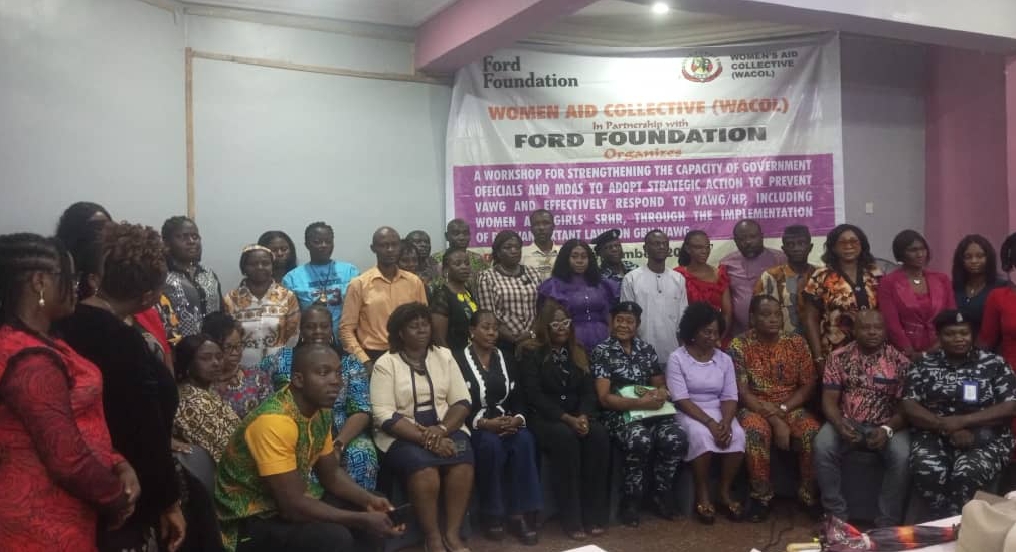
This pledge was made by the Speaker of the House, Mr. Somtochukwu Udeze, at a one-day workshop organized by the Women Aid Collective (WACOL) in partnership with the Ford Foundation.
The workshop aimed to strengthen the capacity of government ministries, departments, and agencies (MDAs) to implement strategic actions against VAWG and harmful practices, while ensuring the enforcement of existing gender-based violence laws.
Represented by Hon. Mimi Ifeoma Azikiwe, member for Onitsha North I Constituency, the Speaker commended WACOL for sustaining advocacy efforts on the issue.
“Violence against women and girls remains one of the most pervasive yet under-addressed challenges in our society,” “It is not only a violation of human rights but a direct assault on our collective development and dignity. A society that fails to protect its women and girls cannot call itself just or progressive.”Azikiwe stated.
She noted that the Assembly’s responsibility extends beyond the passage of laws to ensuring their enforcement, monitoring, and accountability.
“As a woman and legislator, I understand what it means for women’s voices to be silenced and their safety treated as optional.“Today’s engagement is a call to conscience. We must move beyond rhetoric and adopt practical strategies that protect women and girls every single day.” she stated.
Delivering an opening address on behalf of WACOL’s founding director, Professor Joy Ezeilo, Programme Manager Anuli Ezennia noted that the intervention is being implemented across the five South-East states.
“We have already held similar workshops in Ebonyi and Enugu. After Anambra, we will proceed to Abia and Imo. Violence against women and girls deserves our collective response.We must recommit and develop new strategies that reflect present-day realities,” she said.
Ezennia reiterated WACOL’s vision of an egalitarian society where everyone’s aspirations are respected, regardless of gender.
In a presentation on the implications of VAWG, legal practitioner Victor Obichukwu revealed that one in every three women globally experiences violence.
“VAWG is rooted in gender inequality, patriarchal structures, and discriminatory norms.
“Although Anambra was among the first states to domesticate laws addressing this issue, the state still reports a high prevalence.”he explained.
Obichukwu lamented the fact that, in many cases, women themselves reinforce patriarchal norms against other women. He noted that gender-based violence undermines progress in poverty reduction, the HIV/AIDS response, and peace-building.
“Patriarchal norms legitimize violence in order to preserve male dominance. Over time, many women internalize these norms, increasing their vulnerability,” he said.
To combat the problem, he recommended quality education, robust media campaigns, and continuous training for professionals.
Legal expert Christian Okechukwu Ekweh highlighted the gap between legal protections and entrenched cultural practices.
“Despite existing legislation and international conventions, violence against women and girls remains a disturbing reality in our state.“Women continue to face marginalization within families, workplaces, and across various sectors.”he said.
Ekweh stressed that violence is not only a legal matter, but also a moral and cultural issue.
“Every woman and child deserves to grow up in a safe, dignified, and healthy environment.
“Traditional rulers, as custodians of culture, must play a pivotal role in rejecting harmful practices and promoting customs that are friendly to women and children.They should also utilize community platforms to educate families on rights and protection.” he stated.
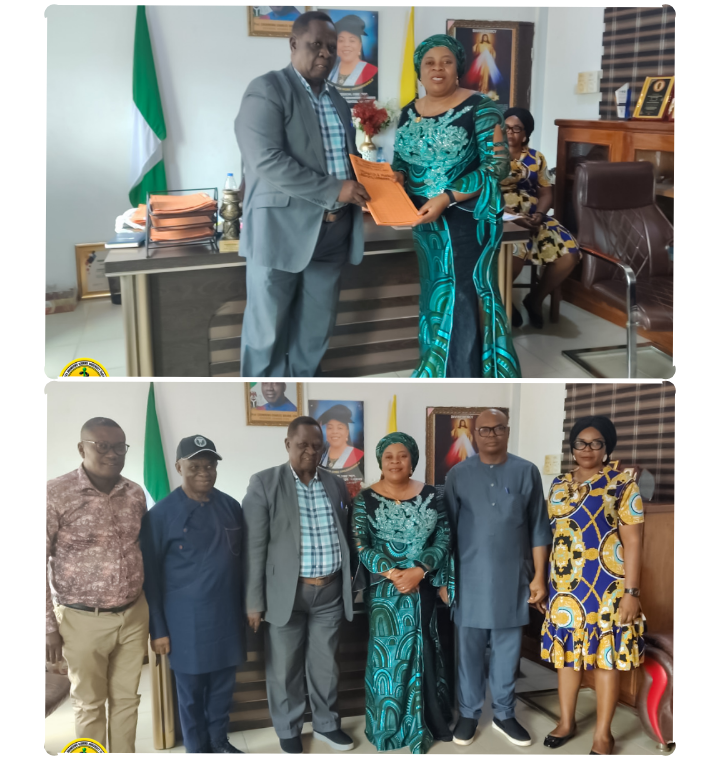
The workshop featured an interactive session where participants asked questions, shared experiences, and sought clarifications.
It ended with a call for stronger collaboration among government agencies, traditional leaders, civil society organizations, and development partners to create a safer environment for women and girls.
Among those in attendance were the Permanent Secretary of the Ministry of Women Affairs, Mrs. Chinwe Achugbu; her counterpart in the Ministry of Agriculture, Mrs. Ifeyinwa Uzoka; as well as representatives from the police, NSCDC, NAPTIP, civil society organizations, and the media.