

Southeast Stakeholders Launch 3-Day Drive for Safe Migration
By Kenechukwu Ofomah,Awka
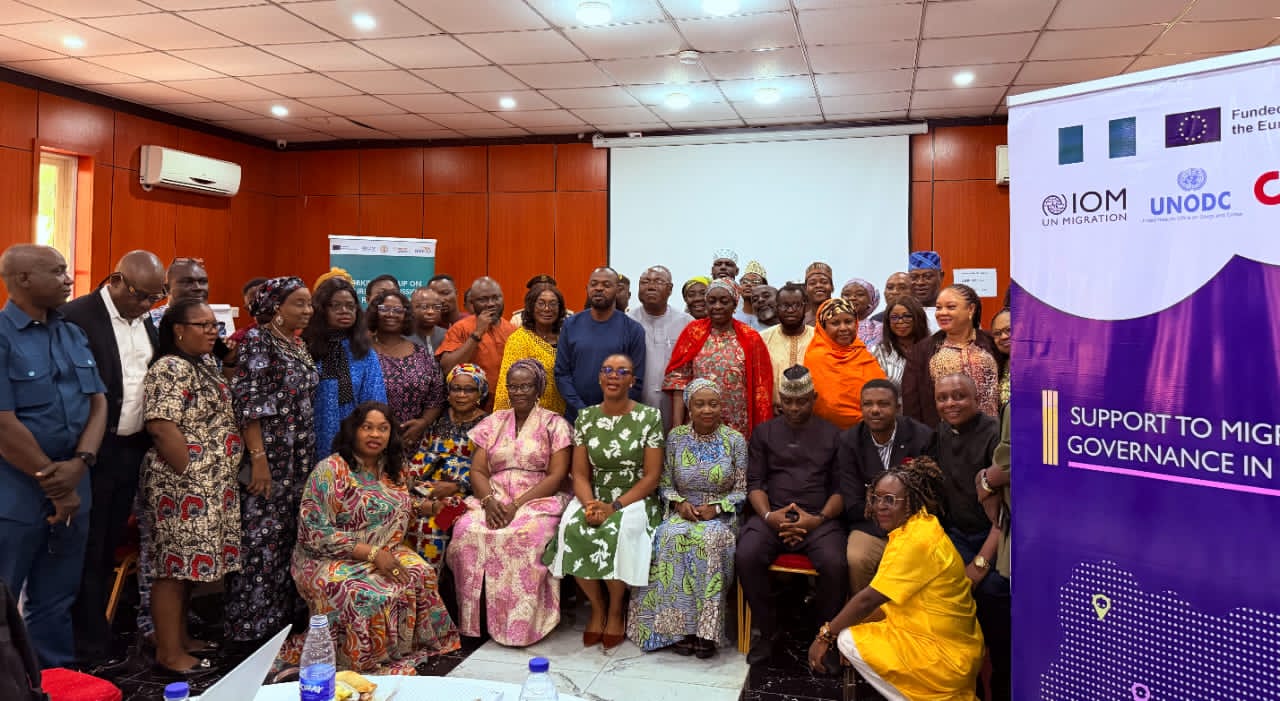
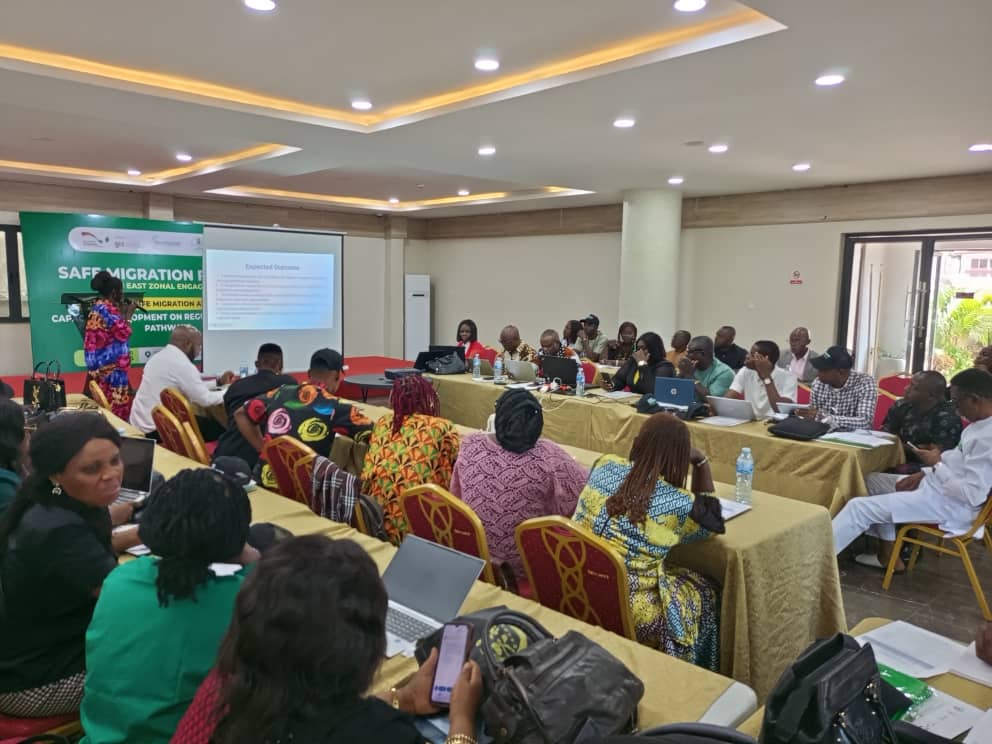
The imperative for multi-stakeholder collaboration to foster a safer, more informed, and resilient migration ecosystem in Nigeria took centre stage at a three-day Southeast Zonal Stakeholders’ Workshop on Migration, which commenced on Monday in Enugu.
The workshop was organized by the Civil Society Network on Migration and Development (CSOnetMADE), in partnership with the Centres for Migration and Development (ZME), and Deutsche Gesellschaft für Internationale Zusammenarbeit (GIZ) Nigeria.
The theme of the event is “Safe Migration for All: Building Capacity and Promoting Awareness for Regular Pathways in Nigeria.”
Participants included Civil Society Organizations (CSOs), government agencies, academia and research institutions, media practitioners, youth and workers’ associations, international migration partners, and trade unions.
Over the course of the workshop, the aim is to strengthen the capacity of key stakeholders, facilitate the exchange of best practices, and promote safe and regular migration pathways, with a particular focus on sustainable reintegration strategies.
Declaring the workshop open, the Permanent Secretary of the Federal Ministry of Labour and Employment, Dr. Sanusi Usman, represented by Comrade George Okoi, emphasized that migration remains a critical socio-economic driver in Nigeria.
He noted that remittances from Nigerians in the diaspora contribute significantly to national development, supporting millions of households and stimulating local economies.
However, Dr. Usman also warned that irregular migration presents serious challenges, particularly for young Nigerians, who are often exposed to human trafficking, forced labour, exploitation, and even death.
“This initiative to expand awareness on safe migration and build capacity across Nigeria’s six geopolitical zones is both timely and strategic. Each region faces unique socio-economic realities that influence migration trends. A nationwide engagement like this ensures stakeholders are equipped to respond with context-specific strategies,” Usman stated.
He further noted that the workshop’s objectives is to educate stakeholders on regular migration opportunities, enhance local capacities, improve media engagement, and foster multi-level collaboration align with Nigeria’s national priorities and international frameworks such as the Global Compact for Safe, Orderly and Regular Migration (GCM), the Sustainable Development Goals (SDGs), and the ECOWAS Free Movement Protocol.
In his opening remarks, Rev. Fr. Emeka Obiezu, Director and National Coordinator of CSOnetMADE, reiterated the importance of institutionalizing structured migration processes, reintegration of returnees, and robust stakeholder collaboration in tackling irregular migration.
He explained that the decision to decentralize the initiative and conduct zonal workshops was a response to feedback received at a previous engagement in Abuja, where participants emphasized the need for a nationwide approach.
“Irregular migration is a challenge across all six geopolitical zones of Nigeria, but each region presents distinct push factors,”
“For instance, while the North East and North West contend with high unemployment and conflict-induced instability, the North Central struggles with political and economic volatility. Meanwhile, the South East, South South, and South West face intense youth migration pressures driven by job scarcity, income inequality, and limited local opportunities.”Obiezu said.
He emphasized that the national capacity-building program is designed to equip migration actors across the country with the knowledge and tools to promote safe, orderly, and informed migration, thereby addressing key drivers of irregular migration.
Speaking on behalf of GIZ-ZME, Dr. Austin Ezejiofor, Head of the Regular and Regional Migration Component, highlighted the organization’s role as an implementing partner within Nigeria’s migration framework.
“Migrants and potential migrants must be fully informed about their options — from available legal pathways to job market demands in destination countries, language proficiency requirements, recognition of qualifications, and the risks involved,” “Equally important is making them aware of opportunities within Nigeria that may go unnoticed. These are among the professional services GIZ-ZME provides through its migration counselling programs.”Ezejiofor said.
In a goodwill message, Comrade Eustace Imoyera James, Senior Assistant General Secretary of the Nigeria Labour Congress (NLC), commended the workshop for prioritizing collaboration as a cornerstone for improving migration governance.
He reaffirmed the NLC’s commitment to supporting efforts aimed at promoting fair migration practices and strengthening partnerships between workers and other stakeholders.
“We believe that fair migration and accountable governance are effective tools for mitigating migration risks, poverty, and inequality.
“When migration is managed fairly, everyone benefits from the migrants and their families to employers, host communities, and national economies. We will continue to contribute to this goal.”James said.
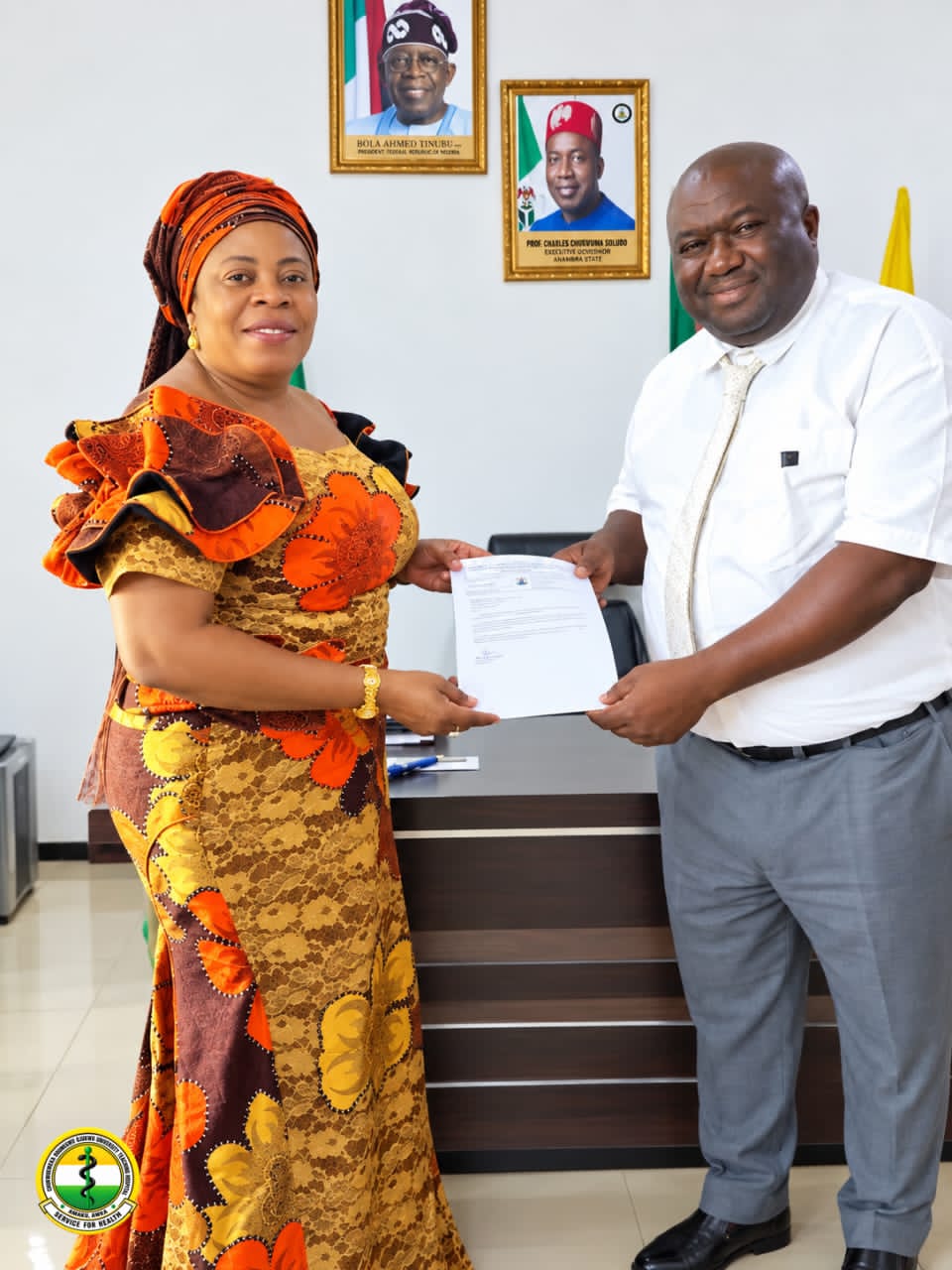
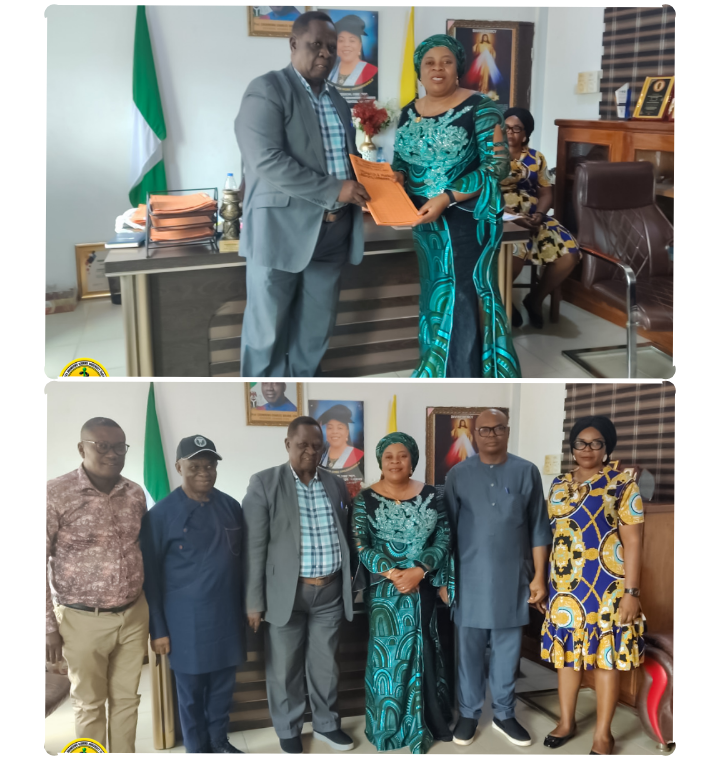
Among the workshop attendees, Eucharia Onyemobi, Anambra State Coordinator for CSOnetMADE, and Engr. Martin Agbili, a Permanent Secretary in the Anambra State Civil Service, expressed optimism that the insights gained over the three days would empower stakeholders to effectively confront the root causes of irregular migration in the region.