





Christian Faith: A Heritage That Calls Us to Love
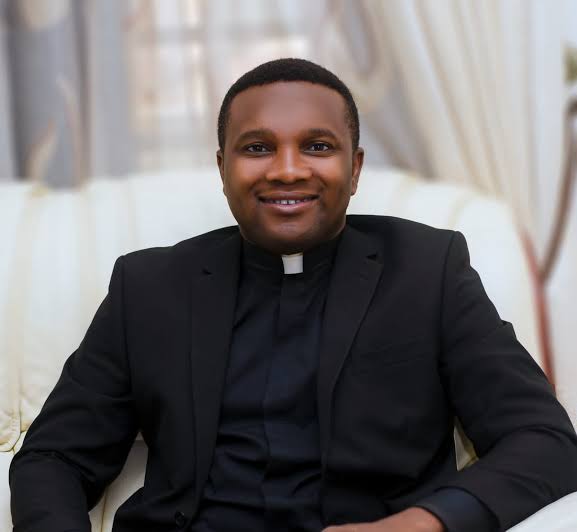
By Fr George AdimikeThe Christian faith, which is fundamentally an encounter with the person of Jesus Christ and subsequent discipleship, transforms its subject into a newness that is characterised by love. It is a heritage that inspires, urges, and demands loving mercy. It is a personal reality that is born of the triune love of God, yet it is also communal. As such, the Christian faith is both the individual’s encounter with God and the community’s shared experience of God through the ages. Indeed, our Christian faith is both an objective and a subjective reality shared by people across and beyond different times and climes. In other words, it is historical and spiritual, anamnetic (reminiscent) and epicletic (supplicatory), and Incarnation-sacramental and Paschal-pentecostal. We receive this faith from our ancestors, and it shapes and informs us. No one becomes a Christian in isolation; one becomes a Christian by embracing the gift of faith within a community of believers. This faith is nurtured within that same community, maturing and expressing itself through hope, ultimately lived out as love.
The Christian faith is both a gift and a responsibility. As “the substance of things hoped for, the evidence of things not seen” (Hebrews 11:1), faith grounds hope. The foundation of hope lies in faith, and it is this faith that empowers hope. Without faith, hope is merely optimism that collapses in the face of great tribulation. While faith fuels and drives hope, love forms its essence. Love is the ultimate purpose of faith; it is rooted in the very being of faith and not just its overall well-being. Love is both the starting point (terminus ad quo) and the final destination (terminus ad quem) of faith. It represents the essence and purpose of faith. Of course, God is love and the source of faith. The assertion that love begets faith is valid when viewed from a profound perspective. The Trinity embodies love—the Father is the source of love, the Son expresses this love, and the Holy Spirit continues its flow. The Spirit, shared by both the Father and the Son, is also the personification of their love. This theological understanding marks the beginning of faith. The Christian faith, therefore, begins with the acceptance of this truth of the eternal love of God communicated in Christ and the commitment to live out its ramifications.
These implications of this mystery become manifest through the Incarnation and the Paschal Mystery of Christ, wherein God the Son conveys eternal love from the triune God to the world in a definitive and transformative manner. What was once experienced through signs, types, and imitations culminates in the ultimate self-revelation of God, thereby giving time a new and definitive finality. The Son streams love; one could say He pours forth God’s essence throughout His life, times, and ministry. The Christian faith is an entry into the flow of God’s love; it involves surrendering oneself completely to the life-giving waters that come from the One who loves and cares for us.
This faith is the ground on which hope cultivates love and charity. In the midst of life’s obscurities, faith in Christ illuminates the life path. He who lacks faith lacks hope; it takes faith to hope, and with faith in Christ, that hope becomes vibrant and active. It lives in the service of God and in the flourishing of humanity. The Christian hope is a living hope. Faith leads us to witness God’s glory: “If only you have faith, you will see the glory of God,” the God of our Father and the God of our fathers.
Our faith is in a living Lord, not in an artefact or system of belief, since none warrants our total surrender. The Lord lives, reigns, and works for all who believe, for He is God our Father and the God of our fathers. This truth significantly impacts our faith and our understanding of the supernatural realities. It introduces into the one reality of divine life and membership into the family of God. Our faith encompasses both the God of our fathers and God our Father, as God our Father is simultaneously the God of our fathers. There is no break in this essential connection; it is the same God who reveals Himself in creation and in the events of the Old Covenant, who is fully disclosed in Jesus Christ in the New Covenant. He is our Father, whom we love; He is our fathers’ God, whom we worship. The revelation of God’s love is continuous. His essence is unchanging, and while aspects of revelation may vary, the substance of revelation remains constant. As His children by faith, we are obliged to live in love as the only validation of our divine sonship/daughtership.
Fr George Adimike
findfadachigozie@gmail.com