

Civil Society, ACOMIN Advocate Multi-Stakeholder Collaboration to Strengthen Nigeria’s Community Health System
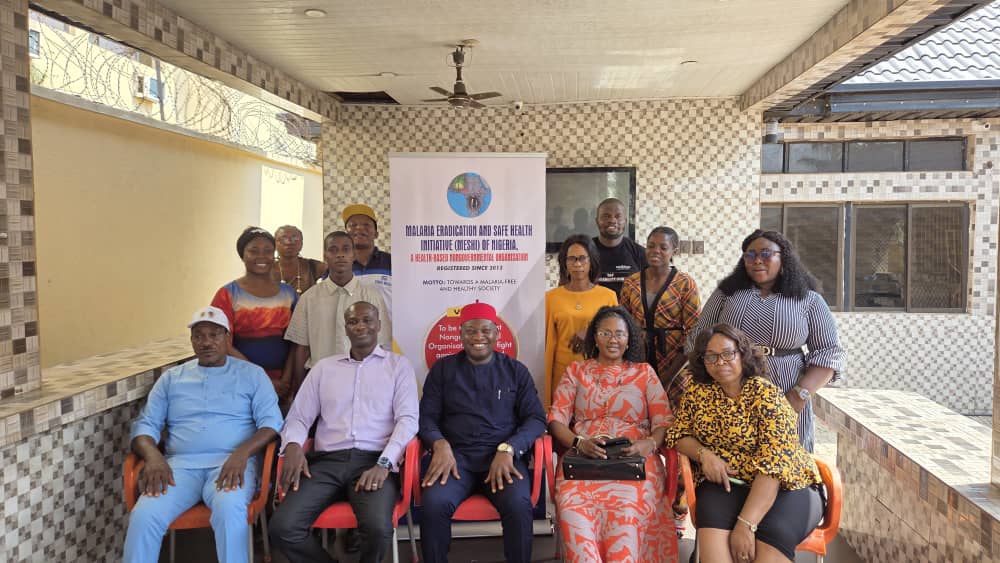
Kenechukwu Ofomah, Awka
The Civil Society in Malaria, Immunization and Nutrition (ACOMIN) has expressed confidence that Nigeria can achieve a functional and effective community health system if all health stakeholders work collaboratively to support it.
This position was presented in Awka during the briefing on the implementation of the Global Fund Malaria Community-Led Monitoring (CLM) Project, currently being executed by the Malaria Eradication and Safe Health Initiative of Nigeria (MESHI) under ACOMIN’s supervision.
The project is being implemented simultaneously across 13 states, with one primary healthcare facility in each state selected as a pilot to demonstrate what is possible when government attention is properly directed.
In Anambra State, the project is ongoing at the Primary Healthcare Centres in Nibo and Umuawulu, both in Awka South Local Government Area.
Addressing journalists at the meeting, the Executive Director of MESHI, Prof. Dennis Aribodor, noted that persistent challenges—such as staff shortages, frequent stock-outs of essential commodities, and infrastructural deficits continue to undermine the delivery of essential HIV, TB, and malaria services relied upon by millions of Nigerians.
He explained that through the Community-Led Monitoring initiative, ACOMIN empowers citizens to identify service delivery gaps, advocate for necessary interventions, and hold duty-bearers accountable, thereby strengthening community health outcomes.
Aribodor, a Professor of Public Health Parasitology at Nnamdi Azikiwe University, Awka, highlighted visible improvements recorded in Anambra’s pilot facilities, including better work environments, improved staff attendance and availability, and increased community patronage and support for the PHCs.
“Low community patronage was addressed through advocacy visits to the Women Town Union and other community influencers,” “These engagements encouraged women and families to use the PHCs for their health needs. As a result, community support improved significantly, and more residents are now accessing services at the centers.”he said.
Emphasizing the need to transition from chronic shortages to sustainable solutions, Aribodor called on all stakeholders to act decisively and collaboratively to strengthen Nigeria’s community health system.
“Federal, state, and local governments must prioritize health systems strengthening through increased and better-targeted investments,” “This includes recruiting and retaining qualified health workers, ensuring a consistent supply of HIV, TB, and malaria commodities, and renovating or expanding dilapidated facilities.
“The business community and philanthropic organizations also have critical roles to play in bridging resource gaps. By partnering with government and civil society, they can sponsor staff welfare initiatives, provide essential medical supplies, and support infrastructure upgrades.
“The media remain vital allies in amplifying community voices, highlighting on-ground realities, and holding decision-makers accountable. Journalists can help sustain public attention on health sector challenges, advocate for transparency in resource allocation, and spotlight success stories emerging from the CLM initiative.
“Community, traditional, and religious leaders must also strengthen trust and accountability within the health system. Their influence is essential in mobilizing people to monitor the delivery of HIV, TB, and malaria services and to report staffing, commodity, and infrastructure gaps to the appropriate authorities. By shaping community behavior and dispelling myths, these leaders can advocate for better investments in local health facilities.”he said.
In her remarks, the State ACOMIN Coordinator, Mrs. Chioma Okeke, noted that the CLM initiative has significantly impacted the pilot facilities and commended the Global Fund for its support. She emphasized the need for the state government to fully key into the project to ensure sustainability after donor funding ends.
Delivering a goodwill message, the Programme Manager of the Anambra State Malaria Elimination Programme, Pharm. Nonso Ndibe, described the role of civil society as pivotal in mobilizing government and other stakeholders, given their deep grassroots presence. He noted that civil society contributions to the fight against malaria, HIV, tuberculosis, and other diseases have produced remarkable results.
Also speaking, a community leader, Chief Sunday Nweke Nwolisa—representing the traditional ruler of Umuawulu, Igwe Joel Egwuonwu—and the Officer-in-Charge of Umuawulu Primary Health Centre, one of the pilot sites, attested to the successes of the CLM initiative and called for increased support to achieve even greater impact.