



Group vows to shame more s@xual offenders in 2026
By Lawrence Ndubeze, Awka
The Service Providers and Accountability Resource Committee (SPARC) in Anambra State has pledged to intensify efforts to improve the reporting of s@xual and gender-based violence (SGBV) and publicly expose more offenders in 2026.
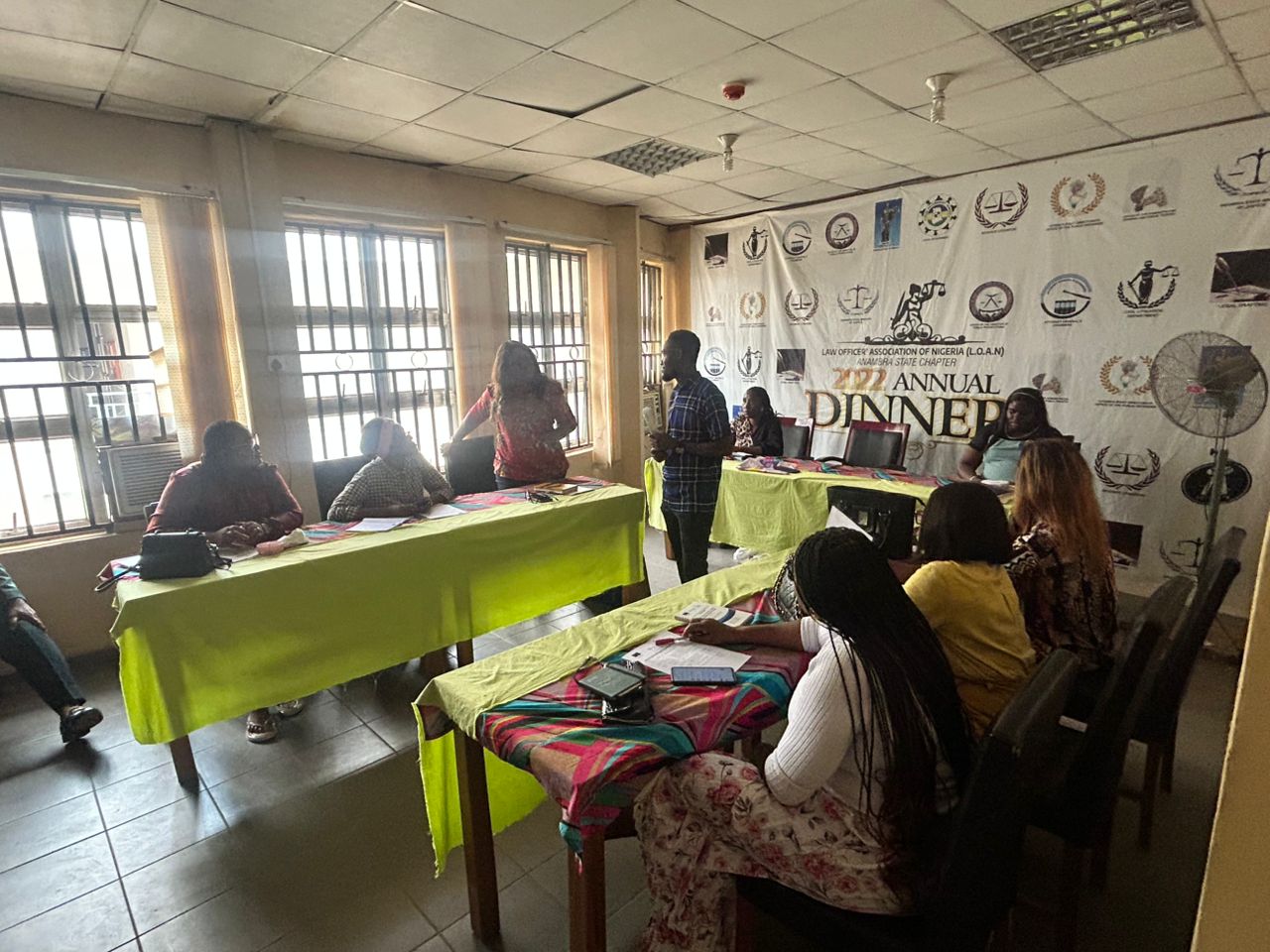
The commitment was made during SPARC’s quarterly review meeting organized by the Habiba Dangana (Hadis) Foundation under the Rule of Law and Anti-Corruption (RoLAC) Programme, funded by the European Union and implemented by the International Institute for Democracy and Electoral Assistance (IDEA).
Addressing journalists after the meeting, the Anambra SPARC Coordinator, Rachael Yohanna, said the quarterly review provides an opportunity for members and partner organizations to evaluate progress, reflect on achievements, and map out strategies for expanding their work across the state.
Yohanna disclosed that the committee made notable progress in combating SGBV in 2025, with the state’s S@x Offenders Register now containing more than 130 names—an increase she attributed to heightened awareness and improved reporting.
“We started with just a few entries when the register was launched, but today we have over 130 names recorded. SPARC’s sensitization efforts have helped people understand that help is available and justice can be accessed, which has encouraged more consistent reporting,” she said.
However, she lamented that extortion by security operatives and the handling of s@xual offence cases as mere “settlements” continue to undermine efforts to prosecute offenders. She also raised concerns about community by-laws that silence survivors and discourage them from reporting abuse.
Her words: “We face serious challenges in the reporting process and in how cases are handled. Some security operatives treat cases as issues for negotiation instead of criminal matters for the state to prosecute. Officers’ financial demands often force victims to withdraw.
“Community by-laws are another problem. Some communities enforce rules that silence survivors and prevent them from reporting abuse. This culture of silence keeps us unaware of cases and stops the state from intervening and delivering justice.”
Yohanna emphasized the need for stronger collaboration with religious and community leaders, security agencies, and the media to expand awareness efforts, support survivors, and ensure that perpetrators are held accountable.
- Hadis Foundation Programme Officer, Innocent Kalu, commended SPARC’s achievements, noting that the meeting set a clear agenda to address existing gaps and emerging challenges in the coming year.
“The meeting examined SPARC’s role in combating SGBV in Anambra State, reviewed the state’s referral pathway, and outlined the action plan for next year. We looked at successes, identified challenges, and drafted an agenda to ensure continuous progress,” he said.