New Hope for Trafficking Victims as FIAP Opens Legal Hubs in Kano, Enugu
By Prosper Okoye
The Foundation for the Internationalization of Public Administration (FIAP) has established legal support hubs in Kano and Enugu States to strengthen Nigeria’s response to human trafficking, migrant smuggling, and related crimes.
The hubs are intended to improve access to justice for victims of human trafficking in northern and south-eastern Nigeria by providing coordinated legal assistance and rights-based support.
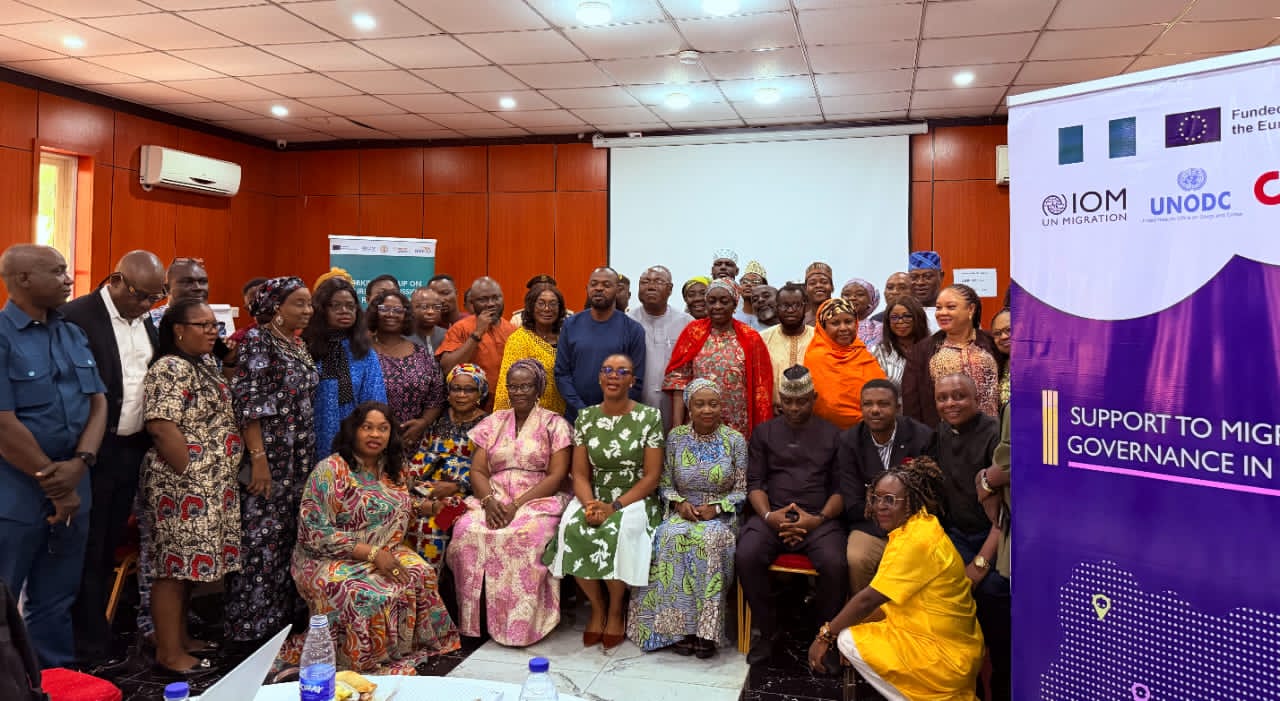
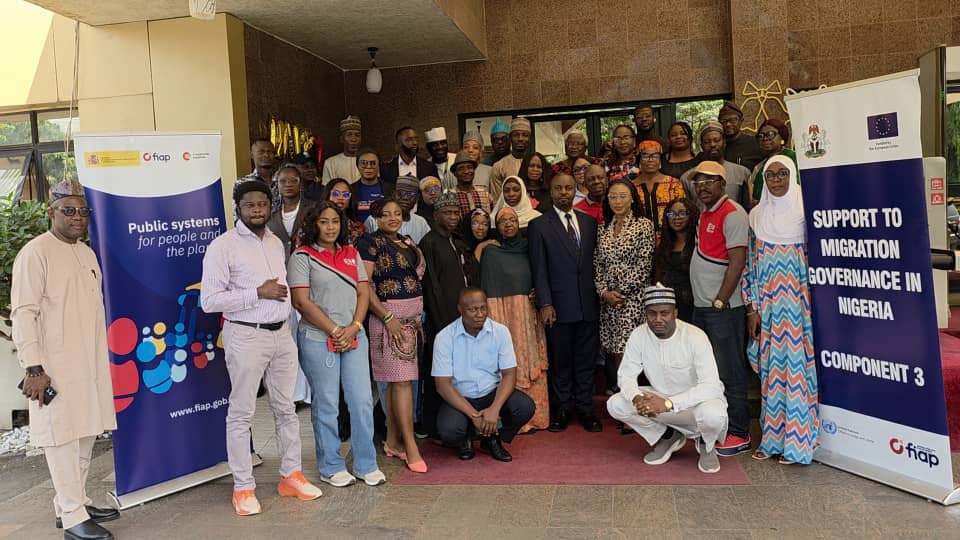
Funded by the European Union under the Support to Migration Governance Project in Nigeria, the centres were established by FIAP to help trafficking survivors seek legal redress, pursue compensation, and better understand their rights following exploitation.
Speaking in Abuja, FIAP’s Technical Adviser on Criminal Investigation, Sani Bello, said the hubs would reinforce the prosecution pillar of Nigeria’s anti-trafficking framework.
“Access to justice remains one of the biggest challenges facing trafficking victims,” “These hubs are designed to bridge that gap by ensuring survivors receive legal guidance, are supported throughout judicial processes, and are able to pursue compensation where possible.”Mr Bello said.
The Kano and Enugu hubs expand an existing legal support network first established in 2020 by the International Organization for Migration (IOM) in Lagos, Edo, and Delta States.
According to IOM, the model brings together lawyers, human rights institutions, and law enforcement agencies to deliver coordinated legal services to vulnerable migrants and survivors of human trafficking.
The new hubs were inaugurated in November, bringing the total number of legal support centres nationwide to five. Coordinators from all hubs are currently undergoing intensive training in Abuja alongside representatives of the Legal Aid Council of Nigeria, the National Human Rights Commission, the Nigerian Bar Association, and the National Agency for the Prohibition of Trafficking in Persons (NAPTIP).
The training programme focuses on civil litigation, victim compensation mechanisms, and improved coordination among investigators, prosecutors, and legal practitioners handling trafficking cases.
“Many survivors want justice but simply do not know where to turn or how the legal system works,” Mr Bello said.
This is informed from drawing on his experience interviewing trafficking victims across several states.
Osita Osemene, Executive Director of Patriotic Citizen Initiatives (PCI) and one of the training facilitators, said human trafficking in Nigeria has become increasingly complex, driven by insecurity, economic hardship, and widespread displacement.
“Trafficking is no longer limited to cross-border movement,” “Internal trafficking has risen sharply, often fuelled by insecurity in the North and economic pressures in the South.”he said.
Mr Osemene noted that many rescued victims are denied justice because their legal rights are rarely addressed beyond initial rescue and rehabilitation.
“Legal support is frequently missing, and many lawyers lack the specialised training required to handle trafficking cases, which demand far more than routine litigation,” he said.
While collaboration among civil society organisations, international partners, and government agencies such as NAPTIP has improved awareness, he stressed that more coordinated and proactive action is needed.
“The numbers are rising, and the response must be proactive. All relevant actors must understand the evolving nature of the problem and be adequately equipped to protect victims and secure justice,” he added.
Dr Ijeoma Nnaji, South-east Zonal Coordinator of the Network of Trafficked Children, Abuse and Labour in Nigeria, is among the participants in the ongoing training.
Drawing from her experience working with survivors, she said trafficking has become increasingly deceptive and sophisticated.
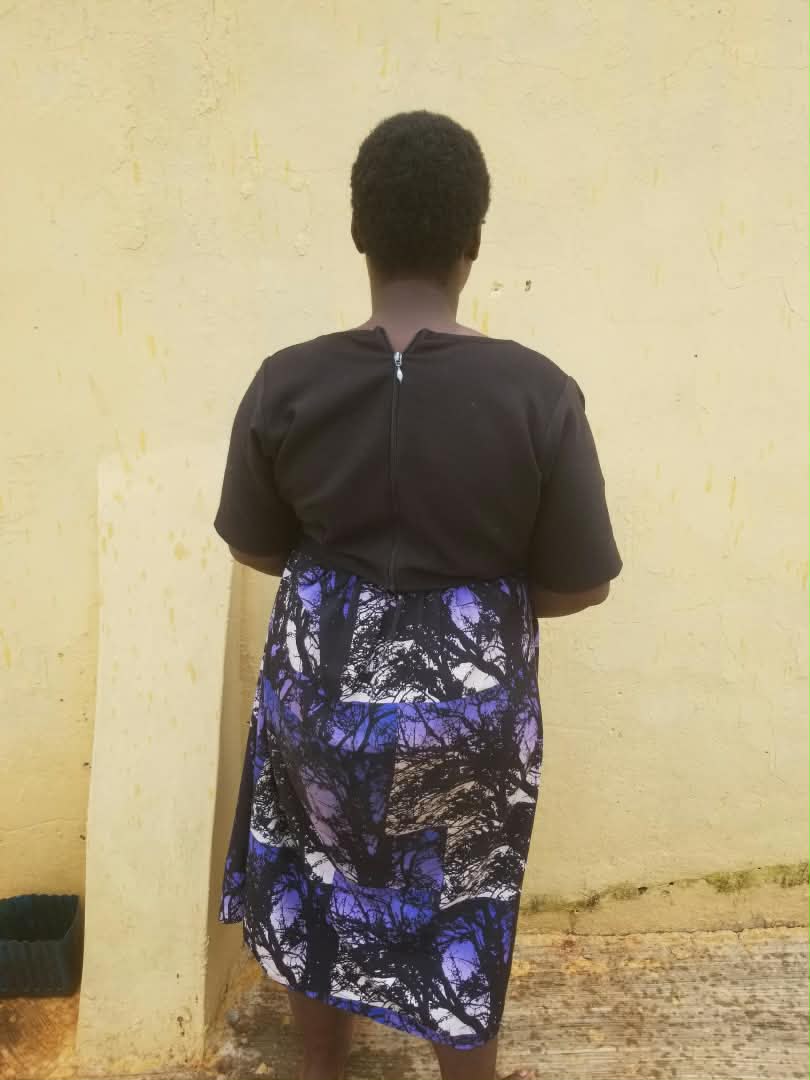
She recounted the case of a young woman trafficked under the guise of marriage.
The trafficker paid a bride price to the woman’s family before taking her abroad, where she was forced into prostitution.
“She was fortunate,” Dr Nnaji said. “One of the men she was sent to recognised what was happening and helped her escape.”
After briefly falling into the hands of another trafficking network, the survivor eventually returned to Nigeria.
However, she suffered severe psychological trauma, including shame, social withdrawal, and recurring nightmares. Upon her return, the trafficker demanded a refund of the bride price, claiming the marriage had been rejected.
Dr Nnaji emphasised that sustained counselling and psychosocial support are essential for survivors’ recovery.
“This is why training like this is critical. Rescue alone is not enough. Survivors need legal protection, understanding, and long-term support to rebuild their lives,” she said.
Human trafficking remains a persistent challenge in Nigeria, with women and children particularly vulnerable to s@xual exploitation, forced labour, and dangerous irregular migration routes.