



Nigeria on the Frontline of West Africa’s Synthetic Drug Explosion
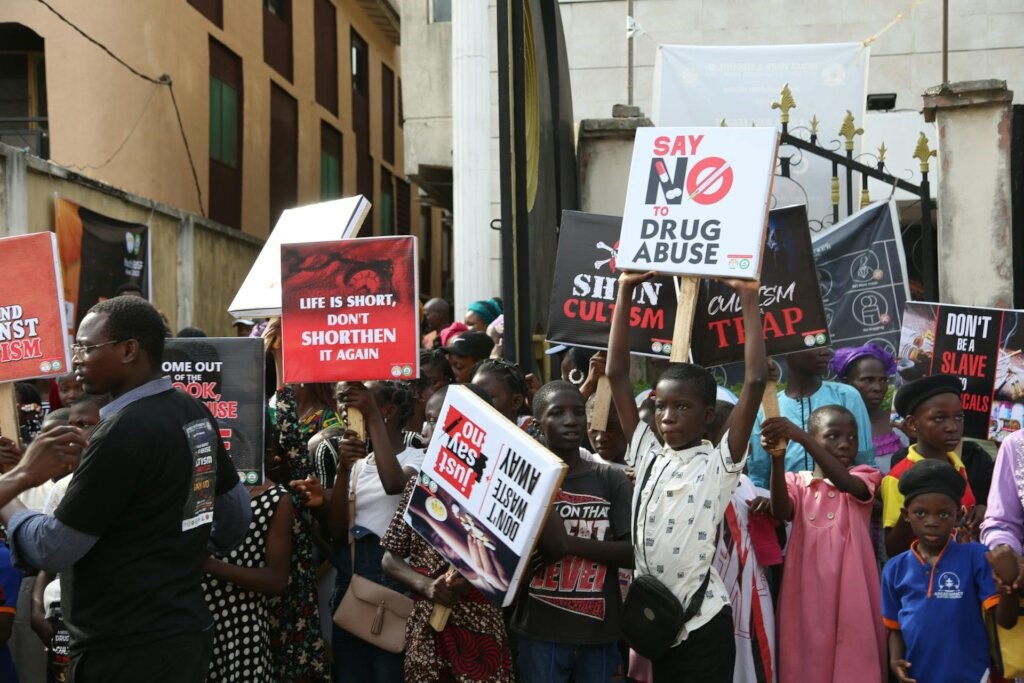
Nigeria is confronting a rapidly intensifying synthetic drug surge that experts say could evolve into one of the country’s most serious public health and security emergencies in years.
A new regional report by the Global Initiative against Transnational Organized Crime (GI-TOC) warns that West Africa’s illicit drug landscape is being transformed by a fast-growing market for laboratory-made substances — and Nigeria is increasingly central to that shift.
“For decades, drug trafficking in the region revolved largely around plant-based substances such as cannabis and cocaine transshipment. Today, the market is fragmenting and decentralizing, driven by synthetic cannabinoids, methamphetamine, tramadol, nitazenes, and other potent opioid compounds.
“These drugs are cheaper to produce, easier to conceal, and more profitable than traditional narcotics, lowering the barrier to entry for new criminal actors.”
It notes that in Nigeria, this transformation is already visible as seizures of tramadol and methamphetamine by the National Drug Law Enforcement Agency (NDLEA) have risen in recent years, underscoring both growing demand and expanding supply chains.
Unlike plant-based drugs, synthetic substances do not depend on cultivation cycles. Small laboratories, imported precursor chemicals, and discreet distribution networks can sustain continuous production.
The most alarming dimension of the crisis is its concentration among young people.
The report notes that with over half of Nigeria’s population under 25, the country’s demographic advantage risks becoming a vulnerability.
It links the abuse of tramadol and other synthetic opioids — often marketed as performance enhancers or stimulants to addiction, deteriorating mental health, rising violence, and weakened community cohesion.
Across transport hubs and urban centers, health practitioners are reporting increasing cases of overdose and substance-induced psychiatric disorders.
Technology is amplifying the threat. According to the report, rising internet access across West Africa has enabled traffickers to purchase precursor chemicals and finished products online, frequently from suppliers in Asia and Europe.
Smuggling routes now include postal and courier services that are far more difficult to monitor than traditional trafficking corridors. The result is a decentralized, tech-enabled drug economy that is agile and resilient.
Beyond the immediate health implications, the synthetic drug trade carries serious security risks. Profits are believed to be feeding organized criminal networks, strengthening corruption, and intersecting with other illicit markets.
The report highlights significant weaknesses in forensic drug-testing capacity across the region, leaving authorities uncertain about the composition and potency of many seized substances. Treatment and rehabilitation services, meanwhile, remain underfunded and overstretched.
The authors argue that the scale of the threat is outpacing the regional response. Traditional enforcement-heavy strategies are struggling against a technologically sophisticated and rapidly evolving market.
The report calls for coordinated regional leadership, improved forensic capabilities, stronger border monitoring, and expanded investment in prevention, treatment, and youth engagement.
For Nigeria, the warning is clear: without swift, evidence-based action, the synthetic drug surge could erode public health, undermine economic productivity, and deepen insecurity — turning what is now a growing crisis into a full-blown national emergency.