
Monarchs Endorse Women’s Special Seats Bill,Raise Concerns Over Competence
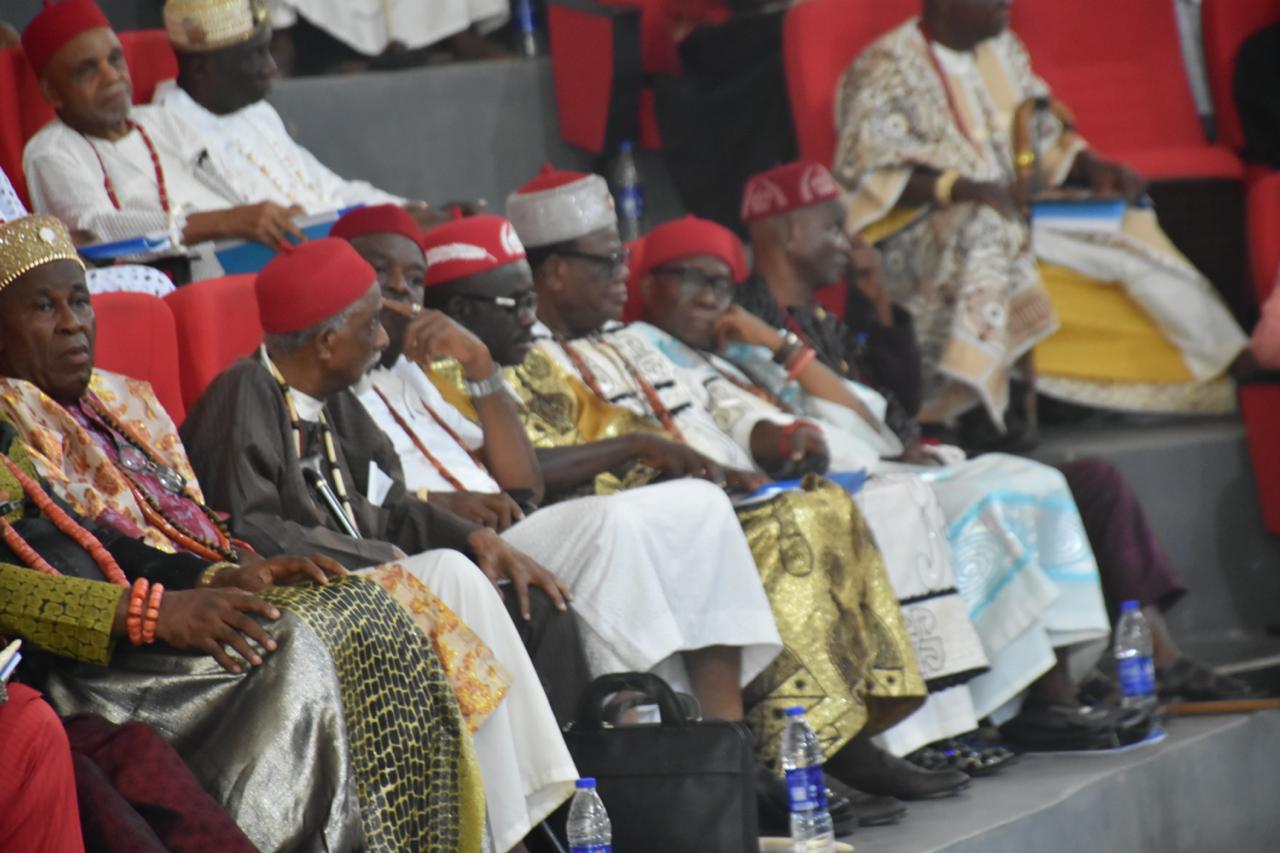
Traditional rulers in Anambra State have endorsed the proposed creation of special legislative seats for women, insisting that only qualified and competent candidates should occupy such positions when established.
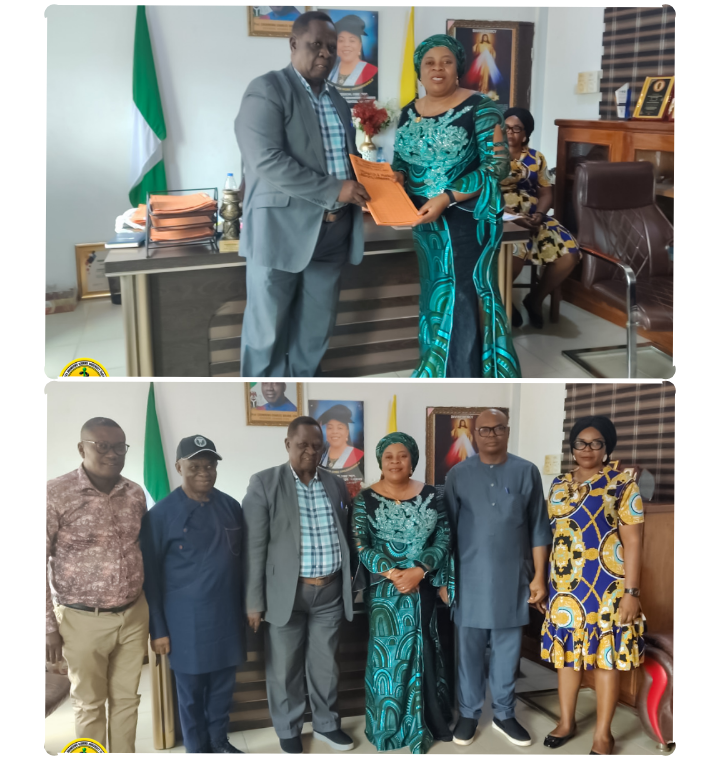
The monarchs stated their position in Awka during their quarterly meeting after hosting a delegation from the Social and Integral Development Centre (SIDEC), which is spearheading advocacy for the bill.
Speaking on behalf of the royal fathers, the Traditional Ruler of Uke and Secretary of the Anambra State Traditional Rulers Council, Igwe Charles Agbala, said while the council fully supports the initiative, merit must not be sacrificed.
“We are in support of the special seats for women, but emphasis must be placed on quality representation. It is not just about creating the seats; women must ensure that capable and credible individuals are presented to fill them. There are many qualified women across the country.”
Earlier, SIDEC Executive Director, Ugochi Ehiahuruike, said the organisation is driving the campaign through its Project IMPACT—Inclusive Mobilization for Participation, Advocacy, and Civic Transformation—implemented in Anambra and Imo states in partnership with the Civil Society Situation Room and supported by the UK Foreign, Commonwealth and Development Office (FCDO).
She explained that the project focuses on engaging key stakeholders to build support for the bill currently before the National Assembly, which seeks to amend the Constitution to address the low representation of women in Nigeria’s legislative bodies.
Ehiahuruike noted that women remain significantly underrepresented, with only four out of 109 senators and 16 out of 360 members of the House of Representatives being female, alongside just 55 women across State Houses of Assembly nationwide.
According to her, the proposed legislation seeks to introduce 108 additional reserved seats for women—37 in the Senate, 37 in the House of Representatives, and three in each State House of Assembly.
She clarified that the reserved seats would complement existing positions rather than replace them, adding that candidates would still be elected through the ballot.
The SIDEC boss said increasing women’s participation in governance would enhance inclusivity, strengthen decision-making, and ensure broader representation of societal interests.
She also cited countries such as Kenya, Uganda, Rwanda, and Tanzania as examples where similar policies have improved women’s political representation.
Ehiahuruike called for widespread support for the bill, noting that its passage would require a two-thirds majority in both chambers of the National Assembly and approval by at least 24 State Houses of Assembly.