




Bamboo Boom: Anambra Youths Lead New Economic Push
I’mA growing coalition of policymakers, academics, and youth leaders in Anambra State is pushing for a shift from subsistence agriculture to a structured “bamboo economy,” positioning it as a practical pathway to jobs, climate resilience, and food security.
This formed the core message at the Anambra South Climate Smart Agriculture and Bamboo Entrepreneurship Programme held in Awka, where stakeholders emphasized moving beyond conversations to actionable policies and youth-driven implementation.
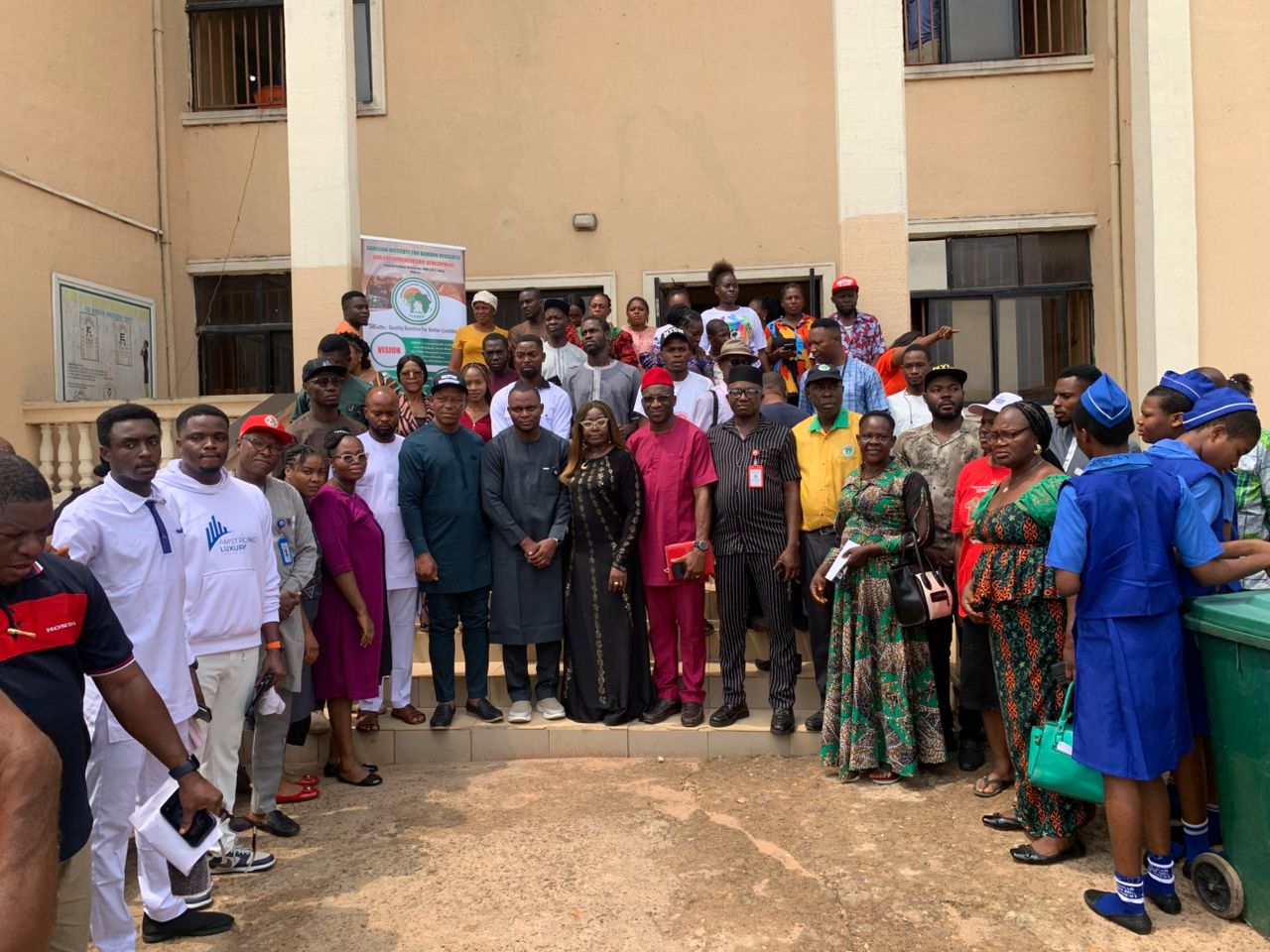
The summit, hosted by Chibuike Kas Obiwuzie, Youth Senator representing Anambra South, was organised in collaboration with the Sahelian Institute for Bamboo Research and Entrepreneurship Development at Nnamdi Azikiwe University.
With the theme “Sowing Seeds, Growing Futures,” the programme brought together government actors, private sector players, farmers, and students, highlighting a coordinated push to integrate agriculture into economic planning rather than treating it as a fallback option.
Chairman of the occasion and Vice-Chancellor of Nnamdi Azikiwe University, Ugochukwu Bond Stanley Anyaehie, represented by Professor Kingsley Ubaorji, framed the conversation around long-term human capital development.
He stressed that the success of any climate or agricultural policy depends largely on how early young people are introduced to it, noting that delayed engagement could widen future socio-economic gaps. “As soon as they catch this vision early, then we are safe. But if they don’t, they will struggle,” he warned.
Beyond advocacy, the Vice-Chancellor pointed to systemic issues—population pressure, food insecurity, and weak agricultural security—as urgent concerns requiring coordinated intervention.
He emphasized that agriculture must be supported with knowledge systems, institutional backing, and a secure environment to thrive.
Professor Anyaehie also underscored the importance of collaboration, noting that sustainable development cannot be achieved in isolation but through shared growth across sectors.
Delivering the keynote, former Anambra State Commissioner for Agriculture, Forster Ihejiofor, shifted the discussion toward structural realities and policy direction.
He outlined the state’s pressing constraints, including shrinking landholdings, high population density, severe erosion, and climate variability, which continue to undermine traditional farming systems.
However, he argued that these challenges also present opportunities for innovation, particularly through climate-smart agriculture. “The transition must rest on three pillars: improved productivity through technology and mechanization, adaptation to climate shocks using resilient systems, and mitigation through sustainable land use.
Positioning bamboo at the center of this transition, Ihejiofor described it as a “multi-sector solution” rather than just a crop. “Bamboo helps control erosion, restores degraded land, and absorbs more carbon than many tree species,” he said, adding that its economic value spans construction, furniture, textiles, packaging, and renewable energy.
He called for deliberate government policies, including incentives, financing frameworks, and youth access to land, to unlock the full value chain. “If properly implemented, this can create jobs, boost revenue, and strengthen food systems,” he added.
Also contributing, Director of Sahelian Institute for Bamboo Research and Entrepreneurship Development, John Ogbodo, reinforced the urgency of aligning agricultural expansion with environmental sustainability.
He described bamboo as a strategic resource in climate response due to its high carbon sequestration capacity and compatibility with agroforestry systems.
Ogbodo also highlighted its role in reducing dependence on plastics through biodegradable alternatives, positioning it within the global shift toward green economies. “We are planting seeds today—not just physical seeds, but knowledge,” he said, urging participants to translate learning into immediate action, particularly with the planting season approaching.
For the host, Chibuike Kas Obiwuzie, the summit was as much about economic reorientation as it was about agriculture. “We are out to challenged long-standing perceptions that portray farming as a last resort, insisting instead that it should be treated as a primary driver of wealth creation and national stability.
Obiwuzie noted that the initiative was intentionally designed to connect policy with grassroots realities while equipping young people with practical skills. “Youth inclusion is central to the programme. The involvement of secondary school students as active contributors rather than passive participants is deliberate.
“The future of our people, the security of our nation, and the prosperity of our youth are tied to the soil beneath our feet,” he said.
Earlier, Chairman of the Central Planning Committee, Franklin Ezeilo, described bamboo as an untapped “green goldmine,” particularly in addressing environmental challenges such as plastic waste.
Goodwill messages from international stakeholders, including Alexander Gbedo and Dr. Muralidharan, further reinforced the global relevance of bamboo, pointing to its role in climate resilience, industrial development, and circular economy systems.
The summit also featured technical sessions, field demonstrations, and the unveiling of farmer-focused guidebooks, signaling a shift from dialogue to implementation.
Across discussions, a recurring theme emerged: the need to move beyond awareness and build a structured ecosystem where policy, innovation, and youth participation converge to drive sustainable agricultural transformation.