



Otti: Political Decisions Drive Economic Destiny
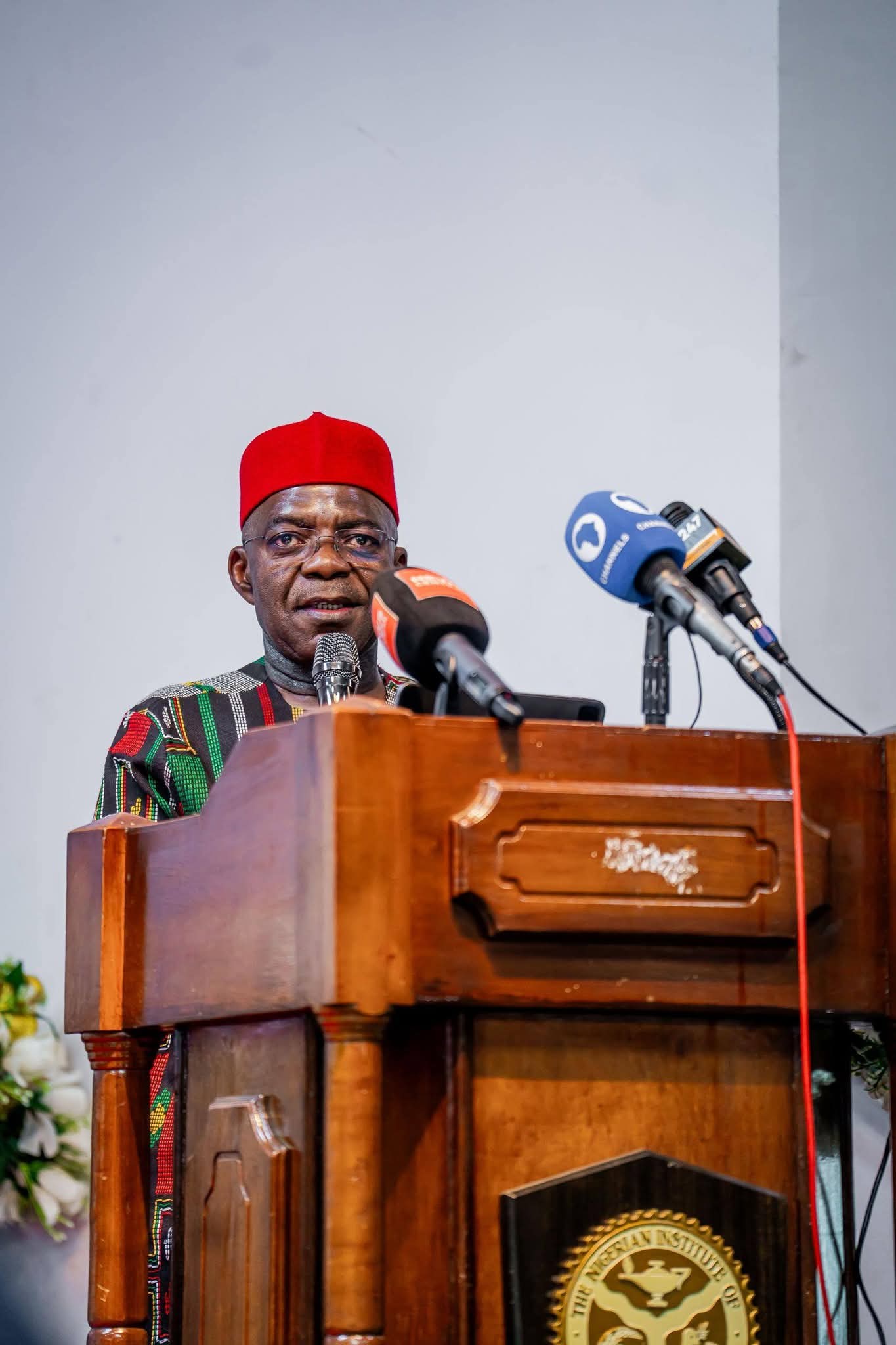
Governor of Abia State, Alex Otti
The Governor of Abia State, Alex Otti, OFR, has urged Nigerians to exercise greater vigilance and responsibility in making leadership choices, stressing that political decisions remain the most powerful determinant of economic outcomes.
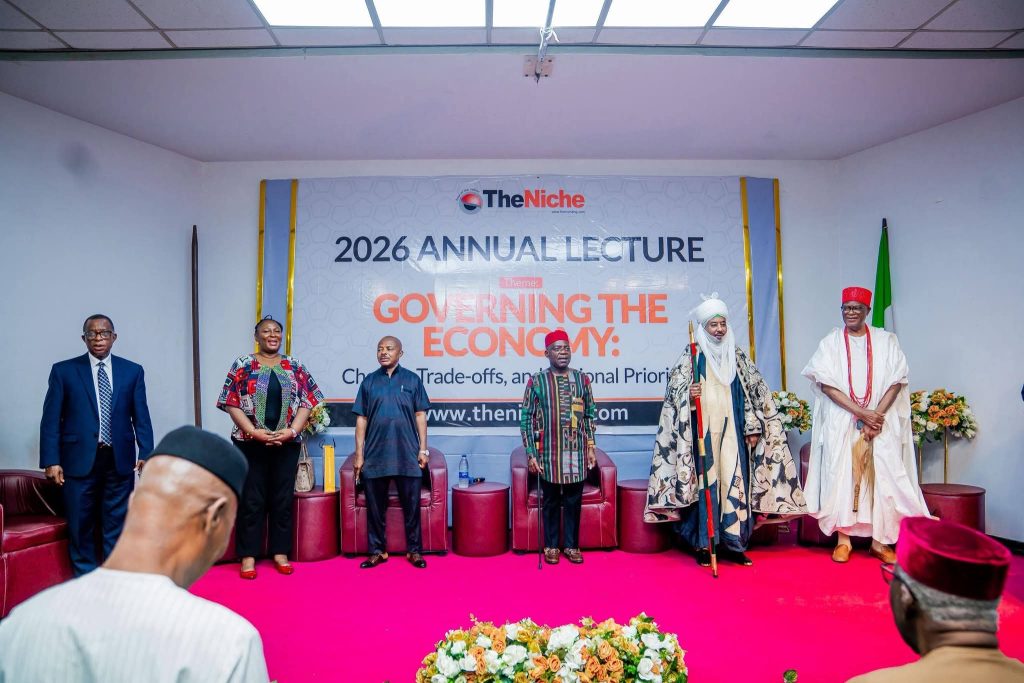
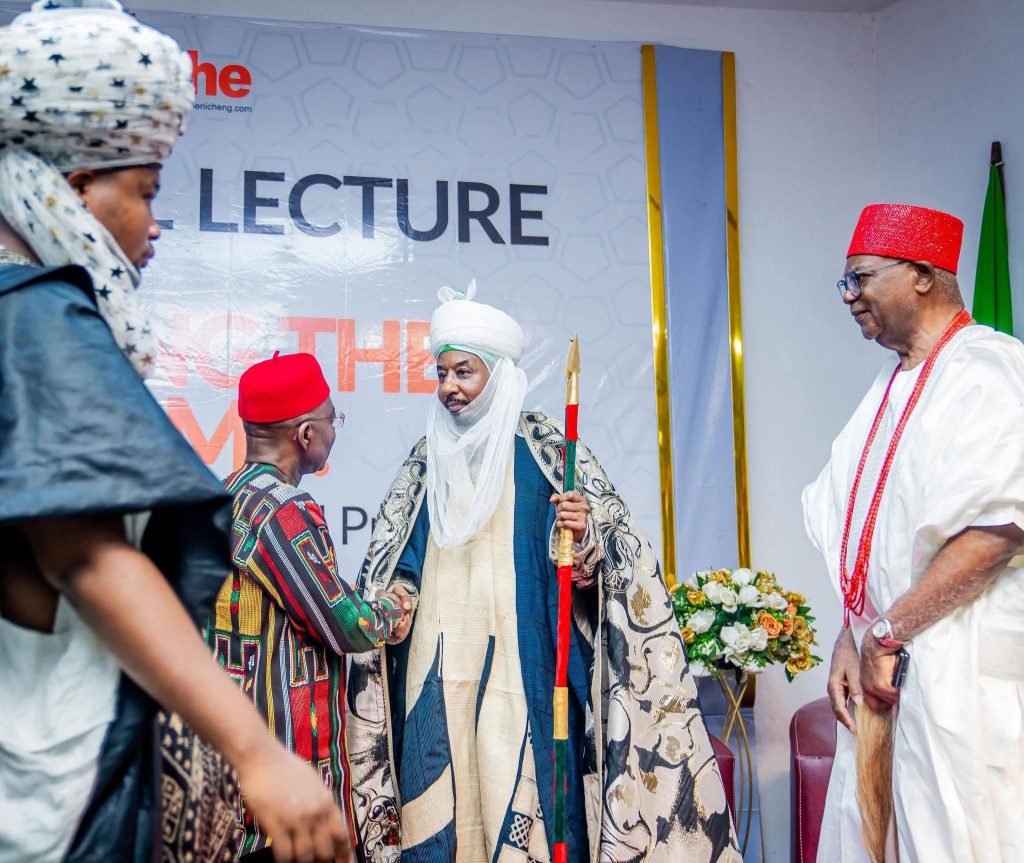
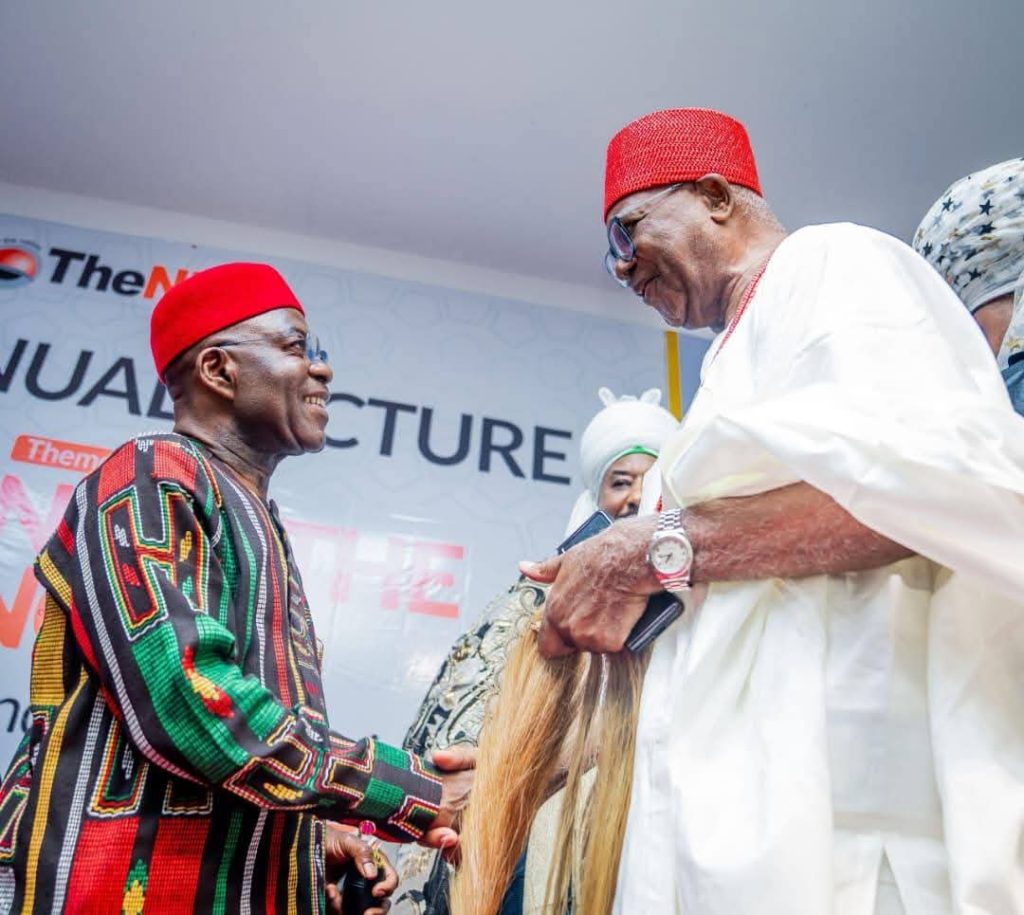
This position was contained in a statement issued by his Chief Press Secretary, Ctz. Ukoha Njoku Ukoha, following the governor’s public lecture delivered on Thursday at the 5th Annual Lecture Series of The Niche, held at the Nigerian Institute of International Affairs, Lagos.
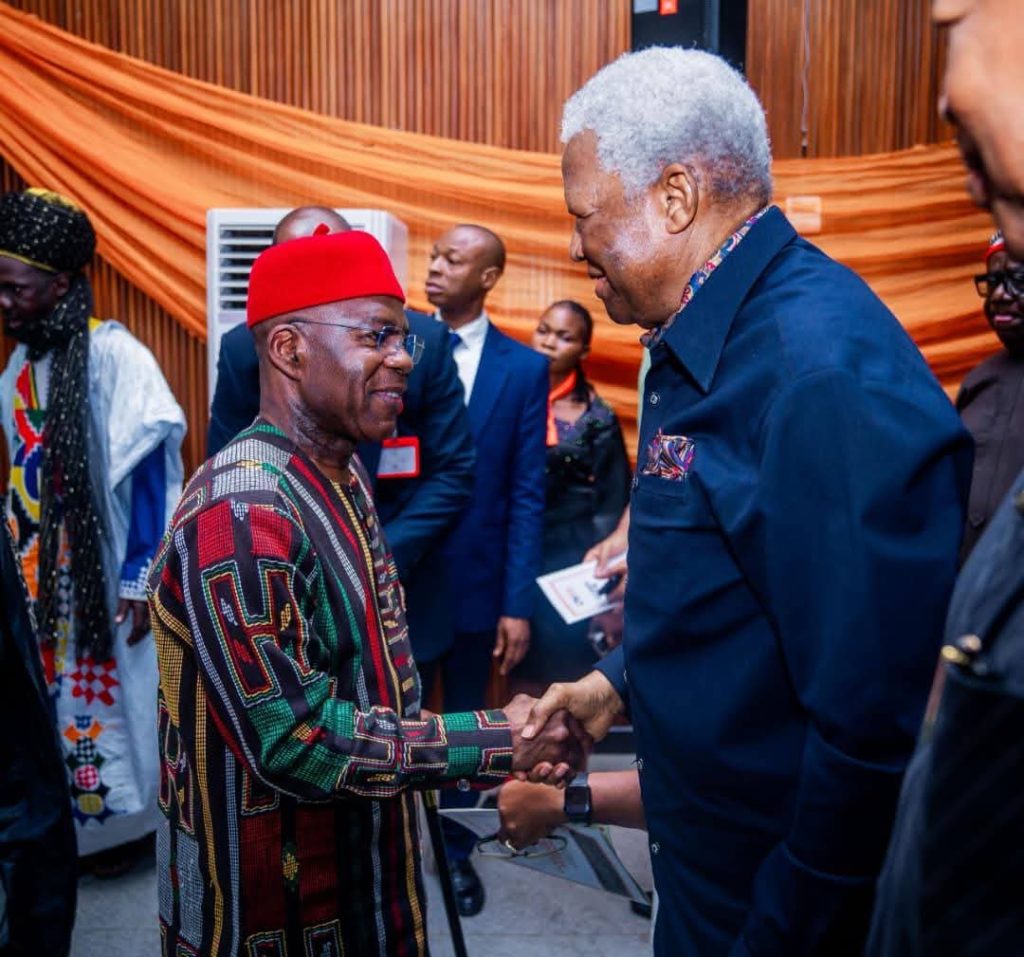
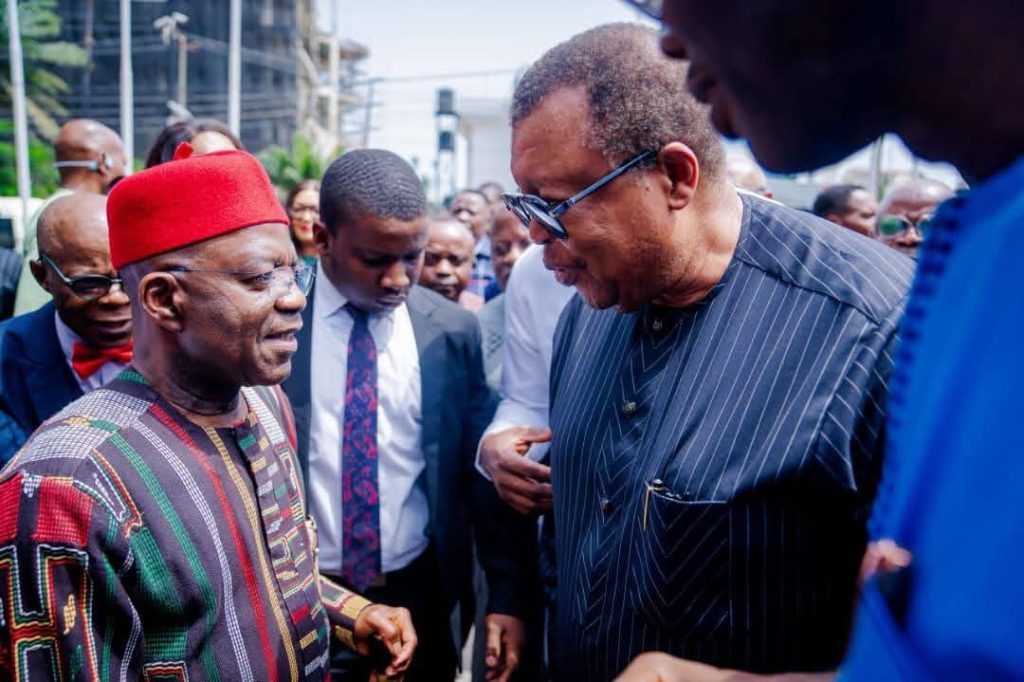
The lecture was titled “Governing the Economy: Choices, Trade-offs and National Priorities.”
Governor Otti cautioned that Nigeria’s economic challenges cannot be resolved through superficial or short-term measures.
He argued that the country’s difficulties are fundamentally structural, requiring deliberate, sometimes difficult, policy decisions rather than reactive or emotionally driven interventions.
While rejecting pessimism about Nigeria’s future, he maintained that optimism must be grounded in realism.
According to him, meaningful progress demands disciplined governance and a clear alignment between political intent and economic strategy.
“There is a direct correlation between political choices and the daily experiences of citizens,” Otti stated.
He emphasized that competent leadership, supported by strong institutional frameworks and ethical political behaviour, is essential to reversing economic decline. He further advocated for a governance model anchored on accountability, active citizenship, and informed political participation as prerequisites for sustainable economic recovery.
The governor argued that citizens must move beyond periodic voting to sustained scrutiny of political actors, their policy orientations, and their economic philosophies.
He stressed that economic governance is inseparable from politics, warning that civic apathy deepens institutional weakness and exacerbates economic hardship.
Otti noted that leadership selection is not merely an electoral ritual but a critical economic decision with long-term consequences. Drawing from Abia State’s experience, he illustrated how political choices directly shape socio-economic outcomes.
He recalled that in 2015, the state experienced severe governance disruptions that triggered economic decline, weakened public institutions, and eroded trust in government. According to him, when leadership emerges through flawed political processes, the consequences extend beyond politics, affecting livelihoods, businesses, and social stability.
By contrast, he argued that Abia’s subsequent recovery under a governance model focused on competence and service demonstrates how effective leadership can restore institutions, attract investment, and rebuild public confidence.
The governor further contended that weak governance structures,often driven by political opportunism have consistently undermined development in Nigeria.
He maintained that institutional strength cannot exist without political discipline, integrity, and a commitment to long-term national interest.
Earlier, the Managing Director of Acclaim Publishers and Editor-in-Chief of The Niche, Ikechukwu Amaechi, described the lecture series as a civic platform aimed at refocusing national discourse on governance and accountability.
He noted that the 2026 theme was deliberately chosen in light of Nigeria’s approaching electoral cycle.
Amaechi described Governor Otti as a fitting speaker, commending his governance approach as evidence that effective leadership is achievable through clarity of purpose, policy coherence, and disciplined execution.
He added that the lecture series seeks to stimulate national reflection on leadership responsibility, civic awareness, and the economic consequences of political decisions.
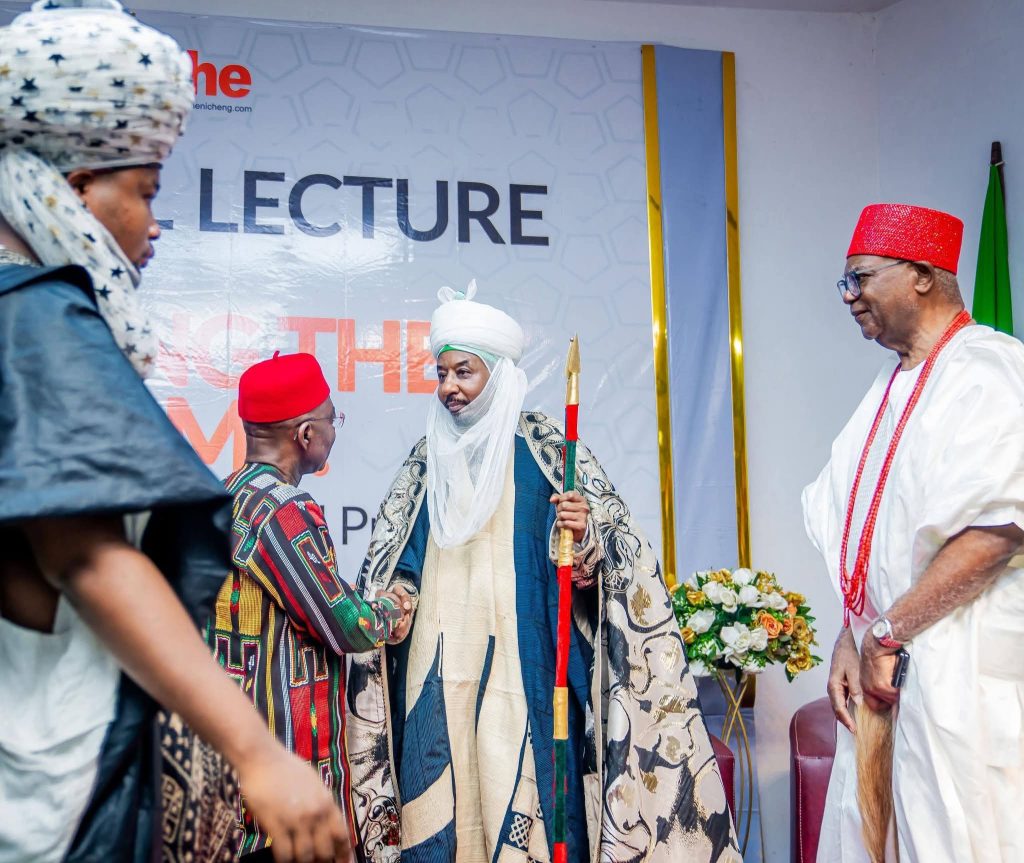
The event was chaired by Emir of Kano,Muhammadu Sanusi II, who praised Otti’s intellectual depth and leadership capacity, describing him as one of the few public office holders effectively bridging economic theory and governance practice.
Sanusi said that public office is a trust, not a profit-making venture, noting that leadership offers an opportunity for service and lasting societal impact rather than personal enrichment.
He warned against the commercialization of politics, stressing that governance must be anchored on discipline, service, and long-term national priorities.
Also speaking, Nnaemeka Alfred Achebe, Obi of Onitsha expressed concern over Nigeria’s governance structure while maintaining cautious optimism about the country’s future.
He called for constitutional reforms to allow independent candidacy, arguing that the dominance of political parties often fuels conflict and reduces politics to financially driven contests.
He observed that politics in Nigeria is increasingly monetized, a trend he warned must be reversed to restore governance integrity.
The monarch acknowledged Governor Otti’s transition from the private sector to public service as an asset, noting that such experience strengthens policy execution and institutional performance.
The event also featured a high-level panel session with Prof. Ano Anyanwu, Dr. Jumoke Ogunleye, and Comrade Joe Ajaero as discussants, moderated by Anthony Kila.
The panel agreed that while reflecting on past governance failures is important, it must not distract from present responsibilities.
Panelists emphasized the need for measurable, short-term deliverables within political tenures, insisting that leadership should be assessed based on tangible outcomes rather than rhetoric.
They reinforced the position that governance must prioritize efficiency, institutional strengthening, and direct impact on citizens’ welfare.
In his goodwill message, Ike Nwachukwu (Rtd.) commended Governor Otti’s ongoing reforms in Abia State and urged citizens to support continuity in governance, stressing that strong performance should be rewarded to sustain development gains.
The lecture attracted a wide range of prominent figures, including Dr. Uma Eleazu, Rear Admiral Allison Madueke (Rtd.), Prof. Pat Utomi, Dr. Olisa Agbakoba, SAN, Chief Ken Ahia, SAN, Mazi Sam Ohuabunwa, Dr. Mrs. Uju Ifejika, Admiral Iwuoha, Chief Okey Nwadinogbe, and former Chief Press Secretary to the Governor of Abia State, Mr. Kazie Uko, among other leaders from political, academic, and industry circles.