




Southeast Bleeds Billions as 95% of Farm Produce Leaves Unprocessed – Ogah, Obi of Onitsha
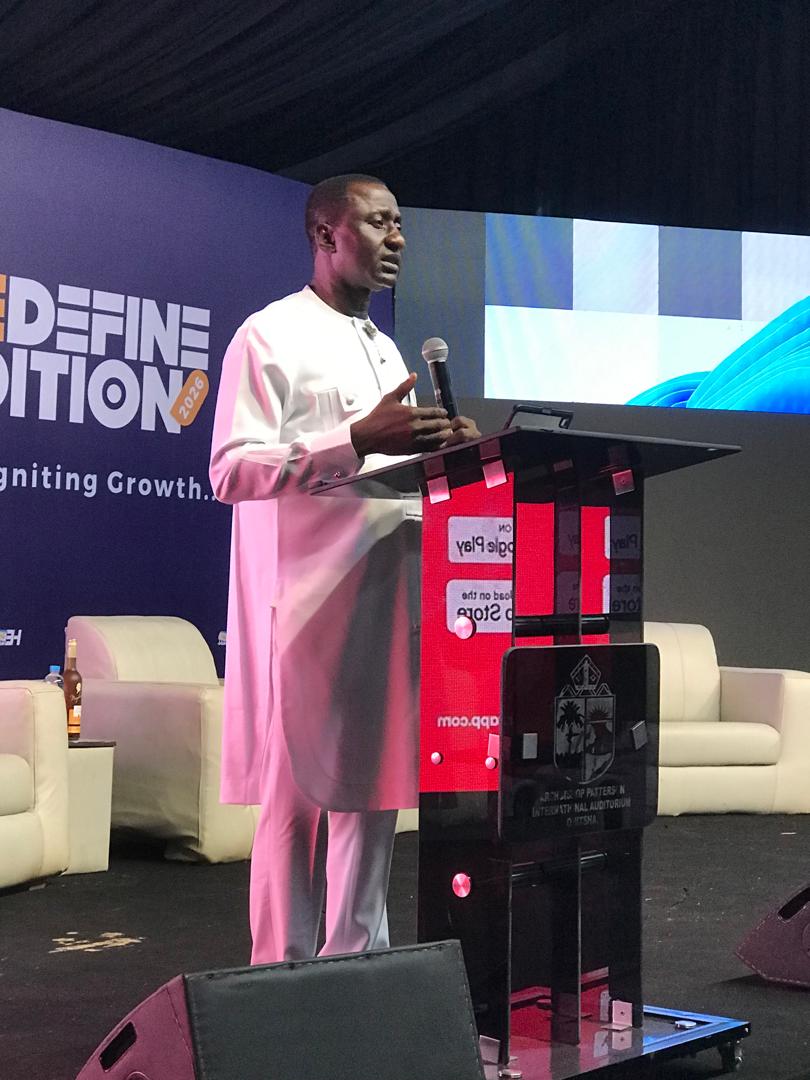
Ex- Minister Dr Uche Ogah
Former Minister of State for Mines and Steel Development, Dr. Uche Sampson Ogah, has lamented the billions of naira the Southeast loses annually due to the failure to process agricultural produce locally before sale.
Ogah disclosed that less than five per cent of agricultural produce from the region is processed locally, leaving the remaining output to be sold as raw materials, thereby depriving the region of the enormous economic benefits associated with value addition.
According to the billionaire industrialist, the Southeast is richly endowed with diverse agricultural resources, many of which remain untapped because of inadequate investment in processing, manufacturing, and agro-industrialisation.
He stressed that the region must reverse the trend by embracing value addition across the agricultural value chain to maximise revenue, create jobs, and stimulate industrial development.
Ogah, who is also the Founder and President of Masters Energy Group, made the remarks while delivering the keynote address at a one-day symposium for Southeast young entrepreneurs, innovators, and business leaders organised by the Onitsha Business Hangout, Redefine Edition, a non-profit organisation.
The event, held at the Peterson Auditorium of All Saints Cathedral, Onitsha, Anambra State, focused on unlocking the agricultural value chain in the Southeast.
Ogah described the symposium as timely and necessary for repositioning the region’s economy.
“It is significant that this workshop is taking place in Onitsha, a city long recognised for its entrepreneurship, resilience, innovation, and commercial excellence across Nigeria and beyond,”
“The Igbo people have built one of the most successful business cultures in trade, manufacturing, and enterprise. However, despite these strengths, the region is confronted with industrial decline, rising youth unemployment, inadequate infrastructure, limited access to finance, and increasing global competition.”he said.
Speaking on the theme, “Agriculture and Technology as Powerful Drivers of Industrial Growth, Manufacturing, and Business Successes in the Southeast,” Ogah emphasised that agricultural products must undergo complete processing before export or sale.
“When I talk about global competition, we have a Chinese businessman here who came to buy products, while our own people travel to China to buy finished products. The time has come for us to move beyond a trading economy towards a productive economy driven by agriculture, manufacturing, technology, and innovation. That is how we can write the next industrial chapter for the Southeast,” he stated.
The former minister recalled that before the Nigerian Civil War, the Southeast was among the fastest-growing economies in the country.
He noted that the region possesses abundant human and natural resources capable of driving sustainable industrial growth if properly harnessed.
According to him, Nigerian universities have produced thousands of graduates over the past decade in agribusiness, food technology, engineering, and related disciplines, many of whom remain underemployed despite possessing skills that could strengthen agricultural value chains.
He further advocated leveraging the expertise of Nigerians in the diaspora who have acquired technical knowledge, global networks, and international experience to support agribusiness development and industrial transformation in the Southeast.
“These are talented young people of extraordinary quality. They are eager, available, and capable of providing leadership in business. We have enormous human capital that is largely underutilised.
“Together, they present a once-in-a-generation opportunity to revitalise the Southeast’s industrial identity over the next 30 years. That was the same vision that inspired the founders of the Nnewi auto parts cluster,” he said.
Ogah also reflected on the region’s commercial heritage.
“Our founding fathers established the culture of trade in Onitsha. Today, Onitsha hosts the busiest market in Africa.
“Nnewi remains Nigeria’s automotive manufacturing hub, while Aba was once celebrated as the ‘Japan of Africa’ because of its thriving industrial base.
“We have already seen what the Southeast can achieve. If we leverage technology and innovation in agriculture, we can unlock enormous economic opportunities. This is imperative because it will significantly improve agricultural productivity and industrial output.
“There is hardly any part of the world where you will not find an Igbo businessman. That gives us an international business network. We have virtually everything in Igboland, including vast agricultural resources that remain largely unprocessed.
“Any raw material that undergoes processing acquires greater value. Yet less than five per cent of agricultural produce from the Southeast is processed locally before sale. The remaining produce leaves the region as raw materials, allowing others to capture the full value of refining and manufacturing.
“We have numerous untapped agricultural resources. It is time to change that narrative. We must return to agricultural industrialisation if we are to recover the economic prosperity we once enjoyed,” he advised.
Also speaking at the event, the Obi of Onitsha, Igwe Nnaemeka Achebe, challenged young entrepreneurs to build businesses anchored on discipline, collaboration, and long-term vision.
Represented by Chief Chuka Oboli (Osuma Affa Onitsha), the monarch said Onitsha has continued to thrive as a commercial centre because of its enduring entrepreneurial culture and the synergy between traditional institutions and modern enterprise.
“Build partnerships that will move your businesses forward. Collaboration is now essential for survival and growth in today’s competitive marketplace.
“Onitsha built its reputation on trade. For more than 500 years, generations of traders have shaped the city’s commercial identity.
“The Onitsha Business Hangout continues that legacy by providing young entrepreneurs with a platform to learn, connect, and grow.
“This event gives you the opportunity to do all three. Network with purpose. Do not collect contacts merely for appearances. Build relationships and follow up with the people you meet,” he advised.
Earlier, the Convener of the Onitsha Business Hangout, Ifeanyichukwu Ogbaji, said the event was the fifth edition of the programme since its inception in 2022.
The 2025 edition, titled “Redefine Edition,” had as its core theme: “Agriculture Beyond Farming: Unlocking the Value Chain in the Southeast.”
Ogbaji expressed satisfaction with the turnout of more than 2,000 participants, including panel discussants such as Dr. Sulaiman Dikwa of Green Sahara Farms, Mrs. Chidimma Ewuzie, Director at the Standards Organisation of Nigeria (SON), and Mr. Akinwale Alabi, Founder of Corporate Farmers.
According to him, Onitsha has historically remained the heartbeat of commerce in West Africa, but changing global realities demand that traditional business models evolve.
“This edition is not just another business gathering; it represents a deliberate and strategic shift in our entrepreneurial ecosystem.
“For too long, agriculture in the Southeast has been viewed merely as planting and harvesting. However, the real opportunities for wealth creation, sustainability, and employment lie in the agricultural value chain, including processing, packaging, cold-chain logistics, technology-driven distribution, branding, and export infrastructure.
“By bringing together agro-processors, investors, financial institutions, policymakers, and technology innovators under one roof, we are demonstrating to our micro, small, and medium-sized enterprises (MSMEs) how to transition from traditional trading to becoming key players in a multi-billion-dollar modern agricultural value chain,” he said.
Ogbaji added that the Redefine Edition was conceived out of the urgent need to transform business mindsets across the Southeast.
“The old model of isolated, hyper-competitive business growth has reached its limits. Sustainable prosperity will come through collaboration, innovation, industrialisation, and value creation. That is the future we are building,” he added.