



EDITORIAL:Reforming Anambra’s Transport System Requires More Than Declarations

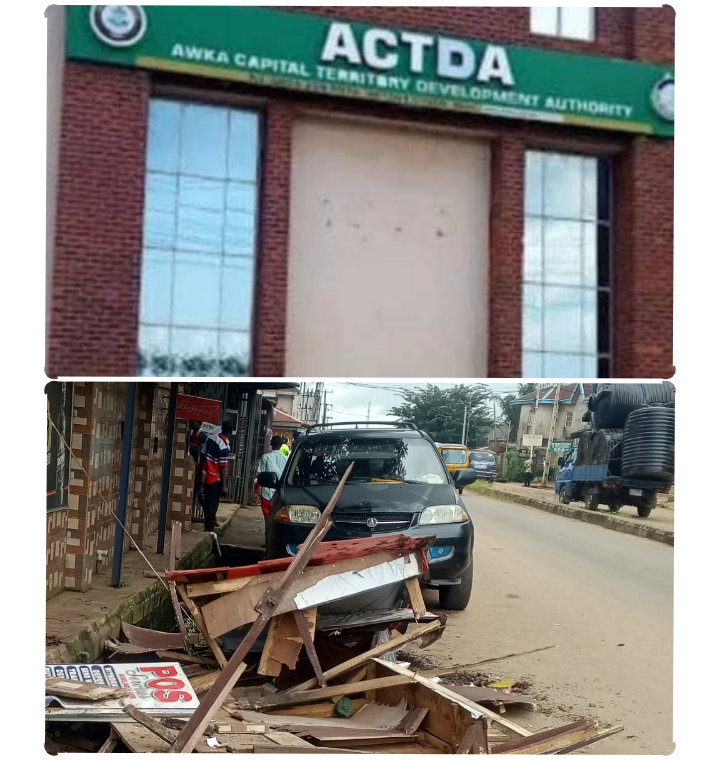
The Anambra State Government has taken a bold step by issuing a 72-hour ultimatum to roadside mechanics, vulcanizers, traders, artisans, and owners of abandoned vehicles occupying public roads to vacate those spaces.
Equally significant is the dissolution of existing transport unions and the decision to recognize only government-approved umbrella bodies.
These are commendable initiatives. They demonstrate a willingness to restore order to a transport system that has, for years, been characterized by chaos, illegal operations, revenue leakages, and poor traffic management.
However, good policies alone will not transform the transport sector. Success will depend entirely on the government’s ability to implement these reforms without fear or favoritism.
Transport reform cannot begin and end with evicting roadside mechanics and artisans.
Government must first provide the necessary alternatives. Functional parks, modern garages, designated loading bays, parking lanes, and well-planned terminals are essential if the reforms are to achieve lasting results.
Removing people from public spaces without creating suitable alternatives merely shifts the problem from one location to another.
The greatest obstacle to transport reform in Anambra is not the absence of laws but the weakness and compromise of enforcement.
Previous administrations introduced similar measures that eventually collapsed because those charged with enforcement abandoned their responsibilities for personal gain. Officials who should protect government policies often become collaborators in the very illegalities they are meant to eliminate. Unless this culture of compromise is decisively addressed, the current reforms risk suffering the same fate.
The government must also confront the widespread network of illegal motor parks and roadside loading points, particularly in Onitsha. Today, almost every major road has become an unofficial park where transport operators load passengers while individuals allegedly operating under the protection of influential government officials collect unauthorized levies. These illegal operators divert revenue that rightfully belongs to the government, create severe traffic congestion, and undermine law-abiding transport operators who pay for approved parks.
This contradiction must end. Operators who have invested in government-approved parks should not be forced to compete with illegal loading points operating directly outside their premises. Such a situation discourages compliance and rewards lawlessness. Any government official found protecting or benefiting from illegal roadside loading should face immediate disciplinary action. No transport reform can succeed while powerful interests profit from disorder.
Similarly, dissolving transport unions without immediately establishing a transparent and accountable replacement structure could create unnecessary confusion. Every organized sector requires effective coordination. A regulatory vacuum would only encourage indiscipline, weaken security monitoring, complicate revenue collection, and make transport administration more difficult.
The state must also strengthen vehicle identification numbers and security monitoring. Many commercial vehicles operate with faded or barely visible registration numbers, making identification almost impossible. Effective transport management requires strict enforcement of vehicle registration standards, improved monitoring systems, and stronger collaboration between transport authorities and security agencies.
Furthermore, government should establish clearly designated parks and loading points for buses, tricycles (Keke), and other commercial vehicles across the state, especially in Onitsha, where illegal loading has become deeply entrenched. Areas such as Bridge Head have become symbols of unchecked roadside transport activities, with heavily organized groups controlling public spaces in ways that often appear to challenge government authority. The government cannot afford to surrender control of public roads to illegal operators.
We commend the Commissioner for Transport, Hon. Edward Ibuzo, for initiating these far-reaching reforms. His proposals have the potential to redefine transport administration in Anambra State. However, history will judge this initiative not by the announcements made but by the results achieved.
This is one battle the government must win,not for political applause, but for the safety, economic growth, and daily convenience of Ndi Anambra. Restoring order to the transport sector will improve traffic flow, enhance public safety, increase internally generated revenue, strengthen security, and reinforce public confidence in government.
The decision to reform the transport sector represents one of the most significant interventions in Anambra’s recent history. It should not become another well-intentioned policy weakened by selective enforcement. The time has come for decisive leadership, uncompromising implementation, and a transport system that serves the interests of the people rather than those who profit from disorder.