



Vote Buying Undermines Citizens’ Power to Hold Leaders Accountable — Don
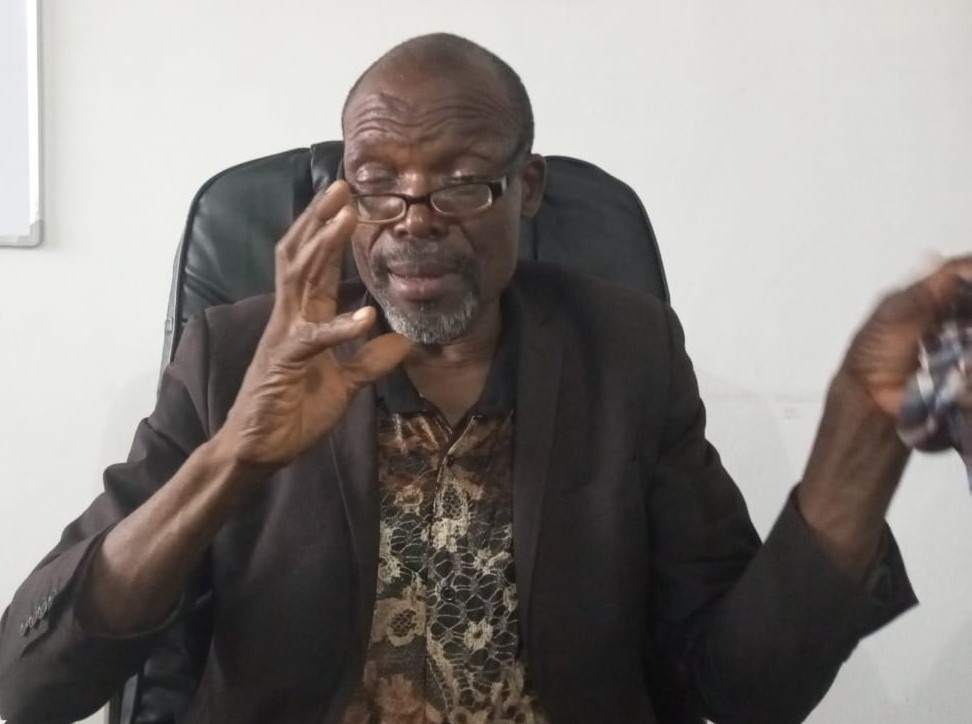
Prof Jude Okafor
A Professor of Public Administration, Jude Okafor, has warned that vote buying is turning Nigeria’s democratic process into a transaction, saying citizens who sell their votes weaken their moral authority to demand accountability from elected leaders.
Okafor, the immediate past Head of the Department of Political Science at Nnamdi Azikiwe University, Awka, spoke while examining the relationship between leadership and followership and the impact such relationship has on democratic governance.
He said the quality of leadership in any society is closely connected to the quality, conduct and choices of its citizens.
According to him, when voters accept money from politicians in exchange for their votes, they effectively surrender their right to question the actions of those they helped elect.
“Once you do that, they have settled you. So where is the conscience again that you will go and ask them, why did you do this? Why did you do that? When they have paid you off,” he said.
The don described vote buying as the beginning of a transactional relationship between politicians and voters, arguing that politicians who spend huge sums to secure electoral victories would naturally seek to recover their investments after assuming office.
He said this practice creates a vicious cycle in which elections become less about competence, accountability and public service and more about financial transactions.
Okafor urged Nigerians to recognise their responsibility in determining the kind of leadership they get, stressing that citizens cannot continue to complain about poor governance while participating in practices that undermine democratic accountability.
He said the country could not build a good society without sacrifice, noting that both leaders and citizens must be willing to make sacrifices for national development.
“You cannot have a good society without sacrifice,” he said, stressing that citizens must be prepared to look beyond immediate personal gains if they genuinely desire better governance.
He, however, cautioned against placing the entire burden of sacrifice on ordinary Nigerians, saying leaders must also demonstrate the same commitment to the sacrifices they demand from citizens.
The professor said nation-building requires responsible followership as much as responsible leadership. He noted that citizens have historically demonstrated their ability to influence government decisions when they organise and demand accountability.
He cited the role played by Nigerian students in opposing unpopular government policies as evidence that citizens are not powerless in the face of government decisions.
According to him, organised and responsible followership can compel leaders to reconsider policies that run contrary to the public interest.
Okafor maintained that Nigerians must move beyond complaining about bad leadership and begin to examine the choices and actions that help sustain the system.
He said the democratic process would remain transactional if citizens continued to exchange their votes for immediate financial benefits without considering the long-term consequences of their decisions.
The don also urged Nigerians to understand the constitutional responsibilities of elected representatives and hold them accountable accordingly.
He said legislators, for instance, should not mislead voters into believing that their primary responsibility is to personally execute development projects.
Rather, he explained that legislators should identify the needs of their constituents, articulate them through bills and motions, push for their inclusion in government policies and budgets, and exercise oversight to ensure implementation.
Okafor said citizens who understand these responsibilities would be better equipped to demand accountability from their representatives instead of rewarding them for projects that are constitutionally the responsibility of the executive.
He therefore called for a change in the relationship between Nigerian leaders and their followers, urging citizens to stop treating elections as opportunities to receive temporary financial benefits and begin seeing them as a means of determining the country’s future.
He stressed that the responsibility for building a better Nigeria cannot be left to politicians alone, adding that citizens must contribute through responsible participation, civic vigilance and a willingness to make sacrifices for the common good.
For Okafor, the choice before Nigerians is not simply about who wins the next election, but whether citizens will continue to participate in a political system driven by transactions or demand one based on accountability, competence and service.
As the country approaches another electoral cycle, he urged Nigerians to recognise that the quality of leadership they get will ultimately be influenced by the choices they make at the ballot box and the standards they set for those they elect.