
Prof. Okonta Begins Free Cardiothoracic Surgery Lectures for Abia Varsity Medical Students
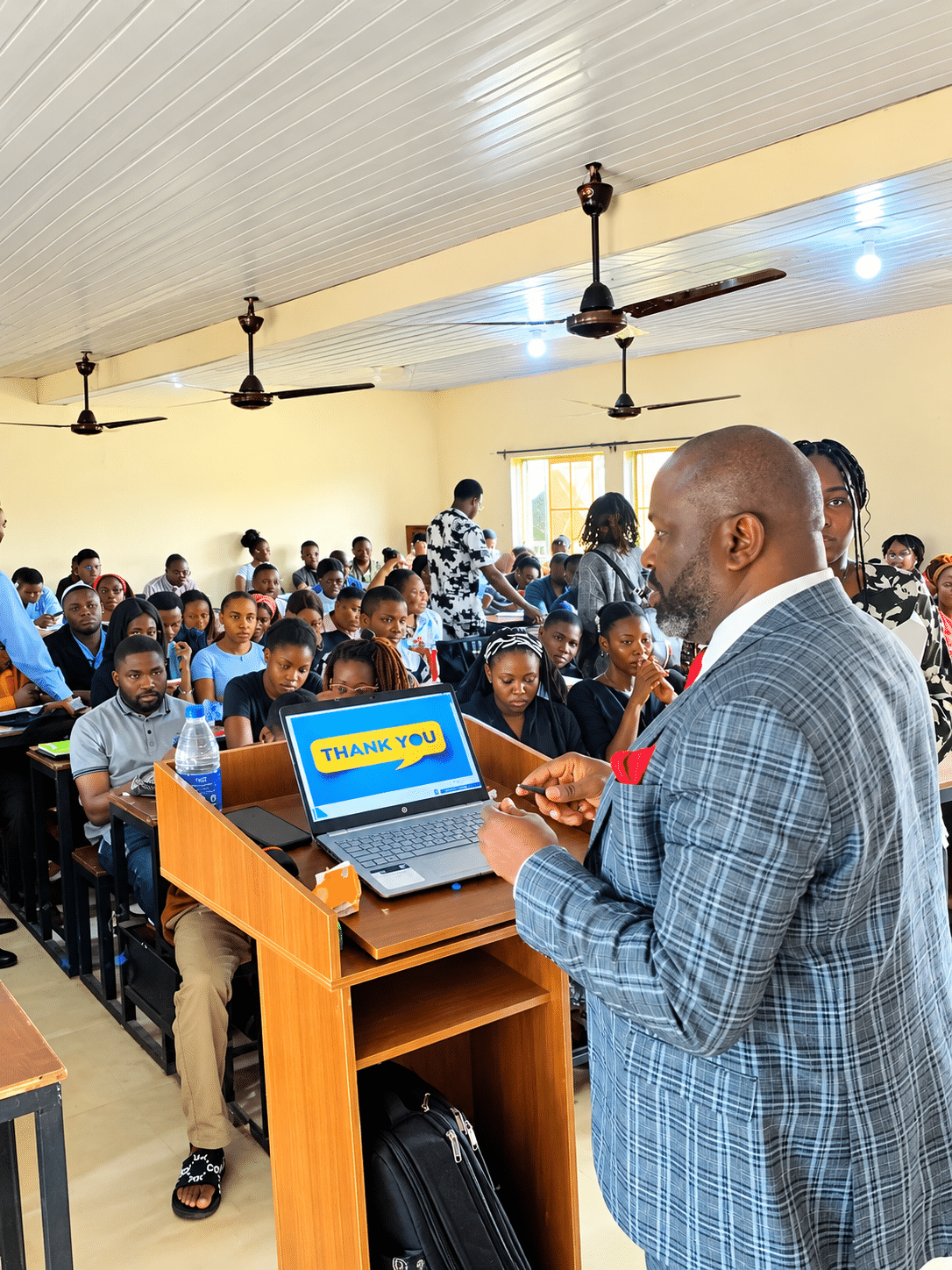
Prof. Kelechi Emmanuel Okonta delivering a pro bono medical teaching programme for medical students of Abia State University
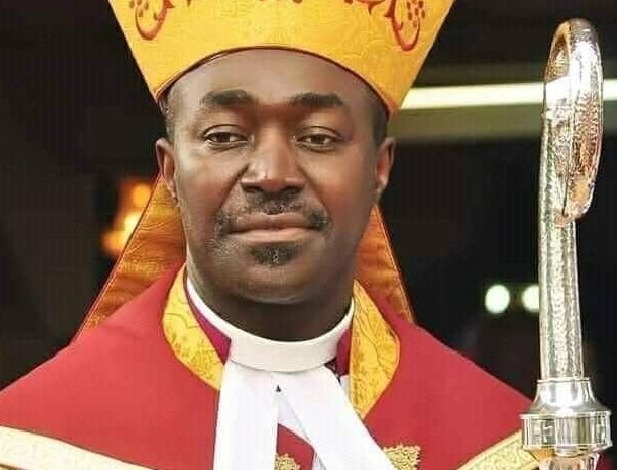
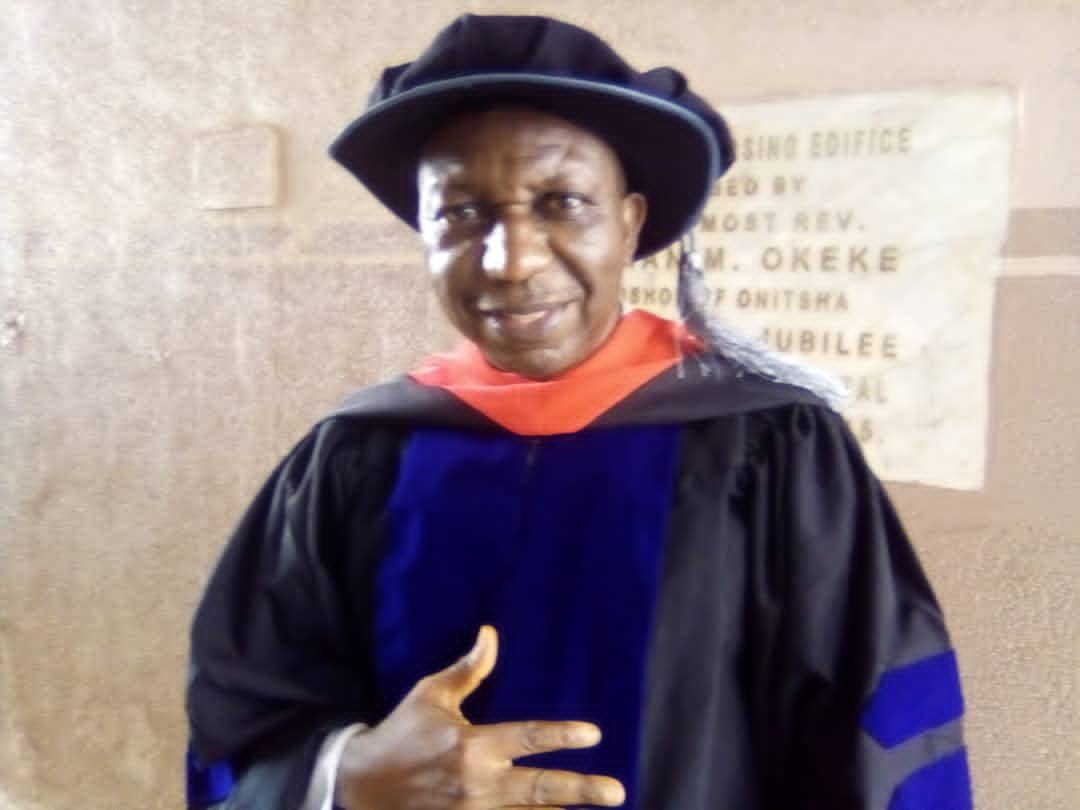
A Professor of Cardiothoracic Surgery in the Department of Surgery at the University of Port Harcourt, Rivers State, and Consultant Cardiothoracic and Vascular Surgeon at the University of Port Harcourt Teaching Hospital (UPTH), Prof. Kelechi Emmanuel Okonta, has commenced a pro bono medical teaching programme for medical students of Abia State University (ABSU), as part of his contribution to strengthening medical education and developing future medical specialists in Abia State.
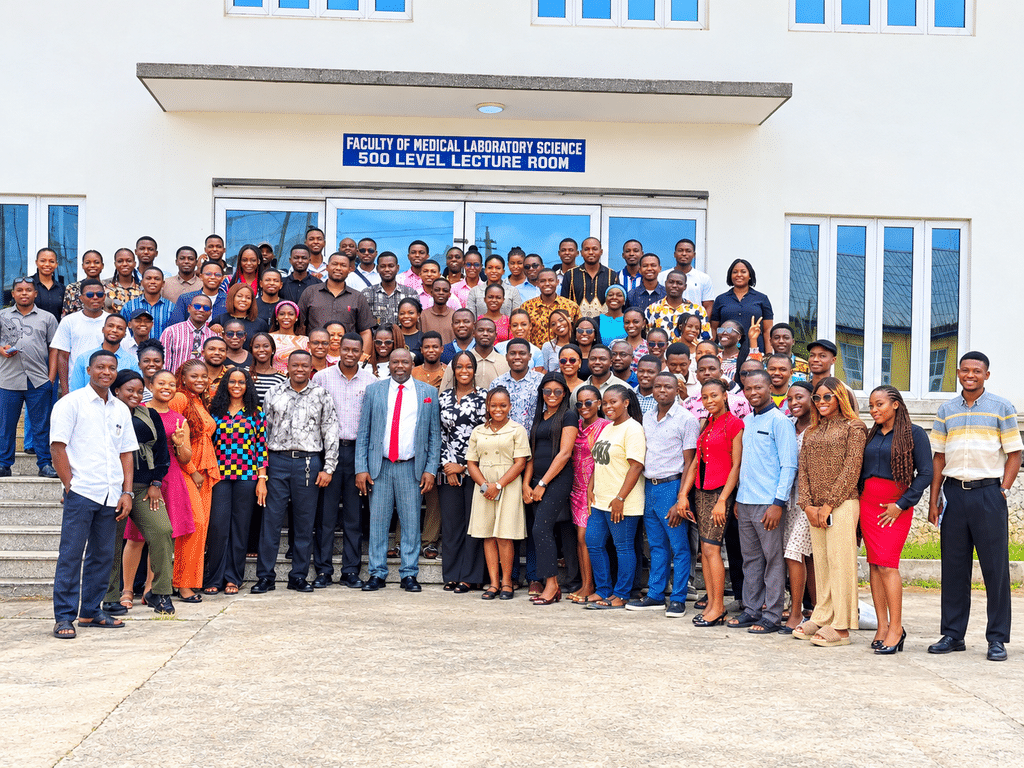
Prof. Kelechi Emmanuel Okonta in a group picture with Abia State University medical students
Prof. Okonta, who is the first Abia-born citizen to attain the rank of Professor of Cardiothoracic Surgery, said the initiative was part of his commitment to community service and his desire to give back to society through medical education.
Speaking with our reporter in Aba, Abia State, on Saturday, shortly after concluding an intensive teaching engagement with the medical students, Prof. Okonta described the programme as an opportunity to share his knowledge, experience and professional expertise with aspiring medical practitioners.
He disclosed that he conducted the teaching sessions on Friday October 9, and Saturday October 10, 2026, delivering lectures on various aspects of cardiothoracic and vascular surgery.
According to him, the lectures on Friday lasted from 9:30 a.m. to 3:00 p.m., while the session on Saturday ran from 9:30 a.m. to 12:30 p.m, to 3.00pm.
The renowned surgeon explained that his decision to undertake the teaching engagement followed an invitation from the university and his observation that there was a need to strengthen instruction in the specialised fields of cardiothoracic and vascular surgery.
He explained that cardiothoracic surgery focuses on the surgical treatment of diseases and conditions affecting organs and structures within the chest, particularly the heart and lungs, as well as other structures of the thorax.
Vascular surgery, he added, involves the diagnosis and surgical management of diseases affecting the blood vessels, including arteries and veins, outside the heart and the major blood vessels within the skull.
Prof. Okonta noted that exposing medical students to these specialised areas of medicine was essential to broadening their clinical knowledge, improving their understanding of complex diseases and preparing them for the demands of modern medical practice.
He stressed that medical education required the contributions of experienced specialists willing to share their expertise with younger generations of doctors, particularly in fields that demanded advanced technical knowledge, sound clinical judgement and specialised surgical skills.
In his words: “On October 9, 2026, I travelled to Aba from Port Harcourt, and I had the privilege of commencing a pro bono teaching engagement with medical students, delivering lectures from 9:30 a.m. to 3:00 p.m. on October 10 and from 9:30 a.m. to 12:30 p.m. covering wide areas of cardiothoracic and vascular surgery.
“As a medical professional and academic, I believe that our responsibility extends beyond treating patients. We must also invest our knowledge, time and experience in training the next generation of doctors.
“I consider it a privilege to contribute to medical education and support the development of competent, compassionate and skilled medical professionals.
“True service is not always measured by what we receive, but by what we give to others,” he added.
The professor explained that his intervention was intended to complement the university’s medical training efforts and equip students with foundational knowledge for understanding diseases and treatment options involving the heart, lungs, chest and vascular system.
He further emphasised that strengthening medical education through the voluntary participation of experienced specialists could contribute to developing a more knowledgeable and competent medical workforce capable of responding to the country’s growing healthcare needs.
Prof. Okonta’s initiative underscores the importance of professional mentorship, knowledge transfer and collaboration among medical institutions in improving the quality of medical training and preparing future doctors for specialised clinical practice.
His decision to offer the lectures without financial compensation also highlights the role individual professionals can play in supporting educational development and expanding access to specialist knowledge beyond their primary institutions.