


HTM Networks Seek NHRC Partnership to Combat Rights Abuses in HIV, TB, Malaria Services

HIV/AIDS, Tuberculosis (TB), and Malaria (HTM) Networks in Anambra State have called for stronger collaboration with the National Human Rights Commission (NHRC) to address gender-based violence, stigma, discrimination, and other human rights violations undermining efforts to combat HIV, TB, and malaria.
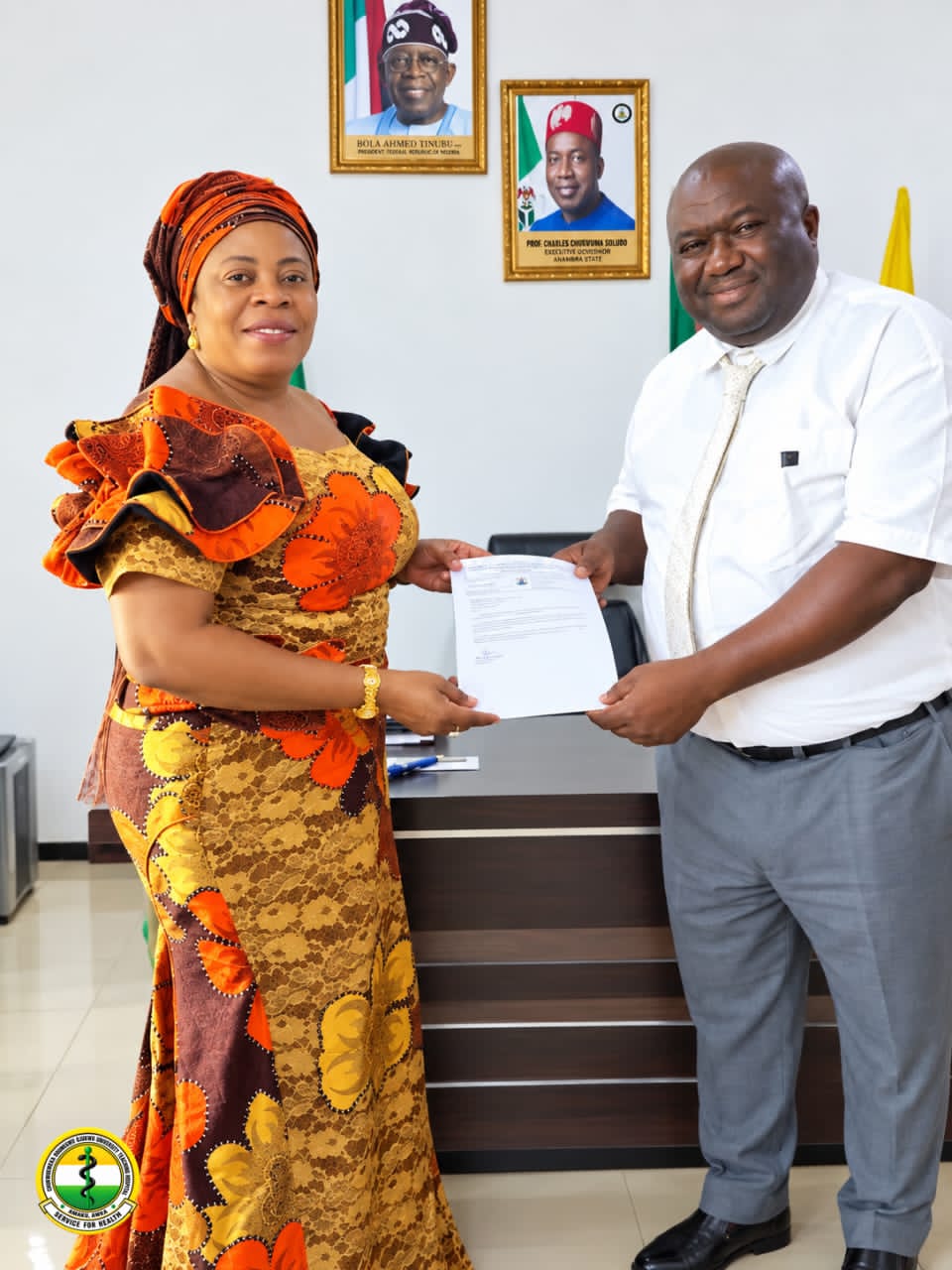
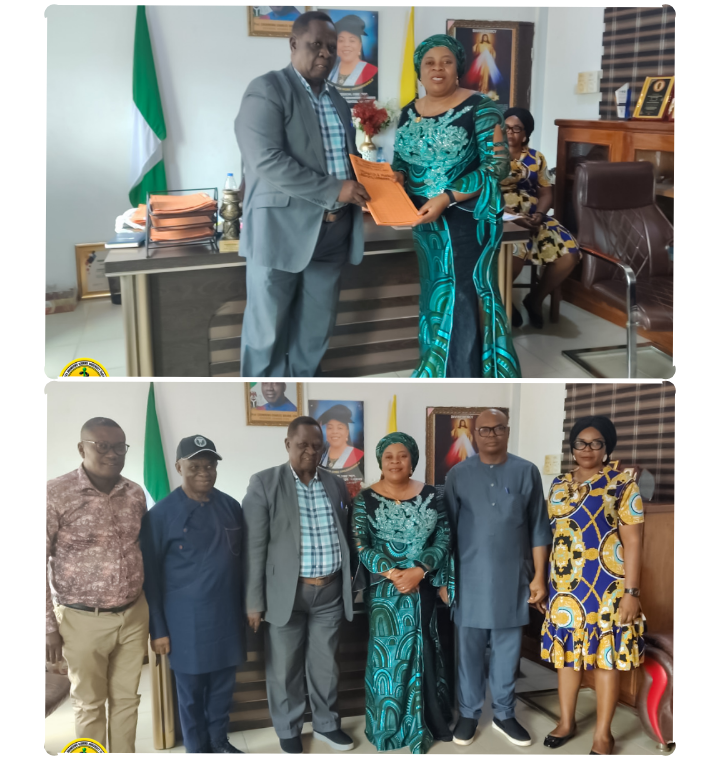
The appeal was made during an advocacy visit by the HTM Networks to the Anambra State office of the NHRC under the Global Fund-supported Integrated Community-Led Monitoring (i-CLM) Project.
The advocates said enhanced collaboration between the Commission and civil society organisations would strengthen the protection of vulnerable populations, improve accountability within healthcare facilities, and promote equitable access to quality HIV, TB, and malaria services across the state.
Speaking during the visit, the Anambra State Coordinator of the Tuberculosis Network and State Advocacy Team Focal Lead for the i-CLM Project, Mrs. Ify Unachukwu, said community-led monitoring had continued to uncover widespread human rights violations affecting beneficiaries of HIV, TB, and malaria programmes.
She identified gender-based violence, stigma and discrimination against persons living with HIV and TB, breaches of patient confidentiality, unequal treatment of vulnerable groups, poor awareness of patients’ legal rights, and weak referral systems between healthcare providers and human rights institutions as recurring challenges.
According to her, many victims of human rights violations are reluctant to seek justice because of fear of stigma and possible retaliation, while weak accountability mechanisms in some healthcare facilities have allowed such abuses to persist.
Mrs. Unachukwu noted that these violations continue to undermine healthcare delivery by contributing to delayed diagnosis, poor treatment adherence, treatment interruption, and adverse health outcomes among affected persons.
She urged the National Human Rights Commission to strengthen its collaboration with the State Advocacy Team and other civil society organisations to enhance patient protection and ensure that rights violations within healthcare settings are promptly addressed.
Also speaking, the State Programme Officer of the TB Network, Mr. Onyekachi Ololo, stressed the need for stronger institutional collaboration to establish effective referral pathways for victims of discrimination and other human rights abuses.
He advocated improved documentation of rights violations, increased public awareness of the legal protections available to patients, and greater accountability in healthcare service delivery.
Responding, the Anambra State Coordinator of the National Human Rights Commission, Barr. Obinna Maduforo, welcomed the advocacy initiative and described the concerns raised as consistent with the Commission’s mandate to promote and protect the rights of all citizens.
He acknowledged that gender-based violence, stigma, discrimination, and denial of access to healthcare remain serious human rights issues requiring coordinated responses from government agencies, civil society organisations, and community stakeholders.
Maduforo reaffirmed the Commission’s commitment to receiving and investigating complaints of human rights violations, providing mediation where necessary, conducting human rights education, monitoring compliance with national and international human rights standards, and promoting equal access to justice and healthcare services.
He also pledged closer collaboration with the State Advocacy Team to improve public awareness of the Commission’s complaint mechanisms, strengthen referral pathways for gender-based violence and discrimination cases, and support advocacy initiatives aimed at protecting the rights and dignity of people affected by HIV, TB, and malaria.
During the meeting, both organisations identified key areas for future collaboration, including human rights education for healthcare workers, community sensitisation on patients’ rights and responsibilities, strengthened referral pathways between healthcare facilities and the NHRC, joint advocacy against stigma and discrimination, capacity building for community monitors, and policy dialogue to improve accountability within the health sector.
The advocacy visit underscored the growing recognition that protecting human rights is fundamental to strengthening the response to HIV, TB, and malaria. Participants expressed optimism that sustained collaboration between the National Human Rights Commission, civil society organisations, and the HTM Networks would help build a more inclusive, accountable, and rights-based healthcare system in Anambra State.
