
Benue Community Demands Fairer Global Debt Rules, AI Fund for Africa
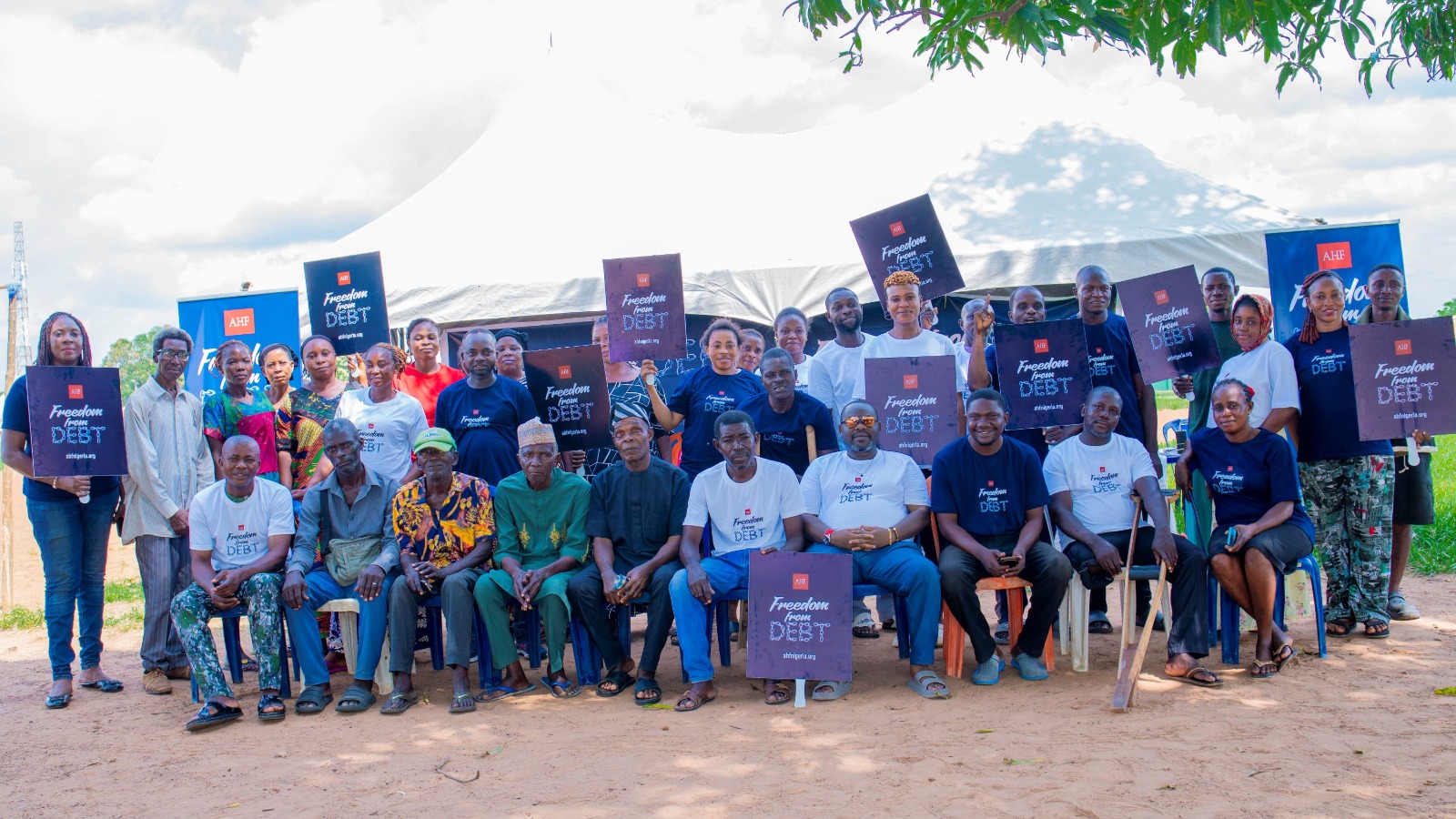
Residents of Adaka community in Benue State have called for lower borrowing costs for developing countries, the automatic suspension of debt repayments during disasters and pandemics, and the creation of a dedicated fund for Africa financed through global Artificial Intelligence (AI) revenues.
The call was made during a community advocacy programme organised by AIDS Healthcare Foundation (AHF) Nigeria, where community leaders and advocacy groups expressed concern that rising debt servicing is depriving African countries of resources needed for healthcare, education, and critical infrastructure.
The participants said they strongly support the growing global campaign for reforms to the international sovereign debt system.
President of Advocacy Club Adaka, Mr. Moses Usuwe, said the existing global lending system places an unfair burden on African nations, which often pay significantly higher interest rates than wealthier countries despite having greater development needs.
According to him, many developing nations now spend more on servicing external debts than on providing essential public services.
“We are advocating freedom from unjust debt burdens. African countries continue to pay higher interest rates than developed nations.
“There should be fairness and equity in the global lending system,” Usuwe said.
He outlined three major demands by the community, including the establishment of a Borrowers’ Forum to enable developing countries to negotiate collectively with international creditors.
Other demands include the allocation of one per cent of global AI revenues to finance healthcare, education, and infrastructure in Africa, as well as the automatic suspension of debt repayments whenever countries are struck by pandemics, floods, or other major disasters.
“When countries experience emergencies such as COVID-19, Ebola outbreaks, or devastating floods, they should be allowed to focus on recovery instead of repaying loans,” he said.
Public Relations Officer of Advocacy Club Adaka, Mrs. Eunice Idoko, linked Nigeria’s rising debt obligations to the poor state of rural infrastructure.
She lamented the persistent water shortage in her community, saying women and children often spend between four and five hours daily searching for water.
“This affects livelihoods and children’s education. If governments spend less on debt servicing due to reduced interest rates, more resources can be invested in basic infrastructure such as potable water,” she said.
Another advocate, Mrs. Richesl Uzo, called for debt repayment moratoriums during public health emergencies and climate-related disasters.
She argued that governments should prioritise emergency response over servicing external loans.
Similarly, Mr. Abel Anule urged leading AI companies to dedicate one per cent of their profits to support investments in healthcare, education, and social infrastructure across developing countries.
Explaining the advocacy campaign, AHF Nigeria’s Senior Advocacy and Marketing Manager, Mr. Steve Aborisade, said the organisation established community advocacy clubs to empower rural residents to identify development challenges and engage policymakers.
He noted that many governments are constrained by rising debt burdens despite their commitment to improving public services.
According to him, establishing a Borrowers’ Forum would strengthen the negotiating power of developing countries and help secure fairer loan conditions that would free up resources for investment in healthcare, education, roads, water supply, and other critical sectors.
Aborisade also advocated the automatic suspension of debt repayments during emergencies, arguing that every dollar spent servicing debt during crises is money unavailable for life-saving interventions.
He cited data showing that about 3.4 billion people live in countries that spend more on debt repayments than on health or education, while two out of every three African countries spend more on debt interest than on healthcare.
“Africa is not poor; it is being drained. We are not asking for debt cancellation.
“We are asking for fairer repayment terms that create room for development and improve the lives of ordinary people,” he said.
Also speaking, the traditional ruler of Mbagbaange community, Chief Nicholas Angbianshio, commended AHF Nigeria for its interventions in rural communities, saying the organisation’s programmes have positively impacted residents. He urged the organisation to sustain its development initiatives.