
August Meeting: Nonye Soludo Charges Women to End Domestic Workers’ Abuse
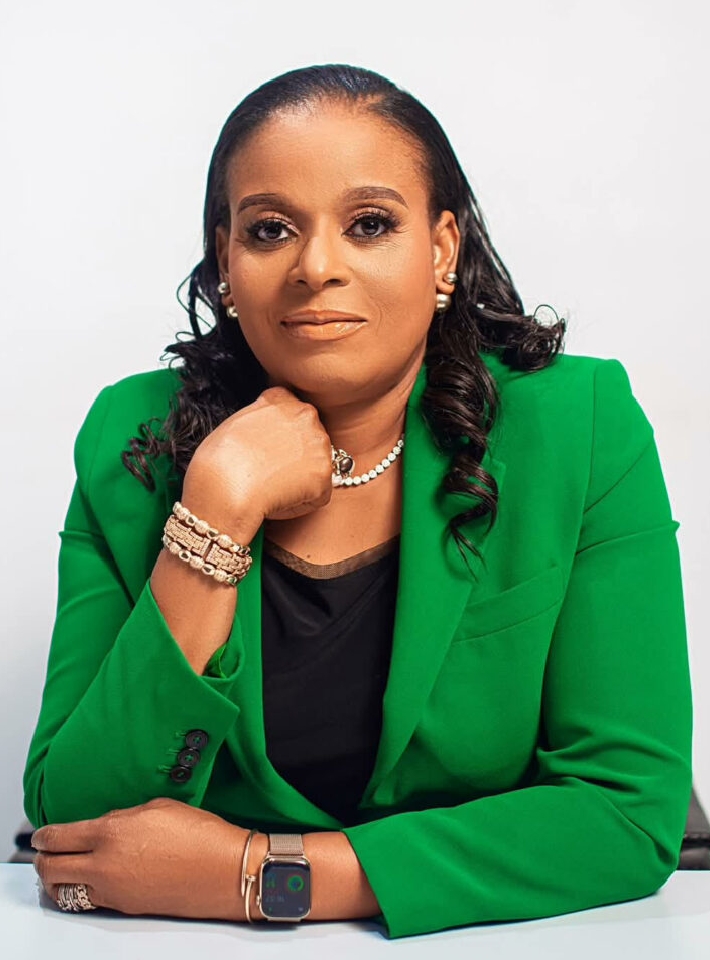
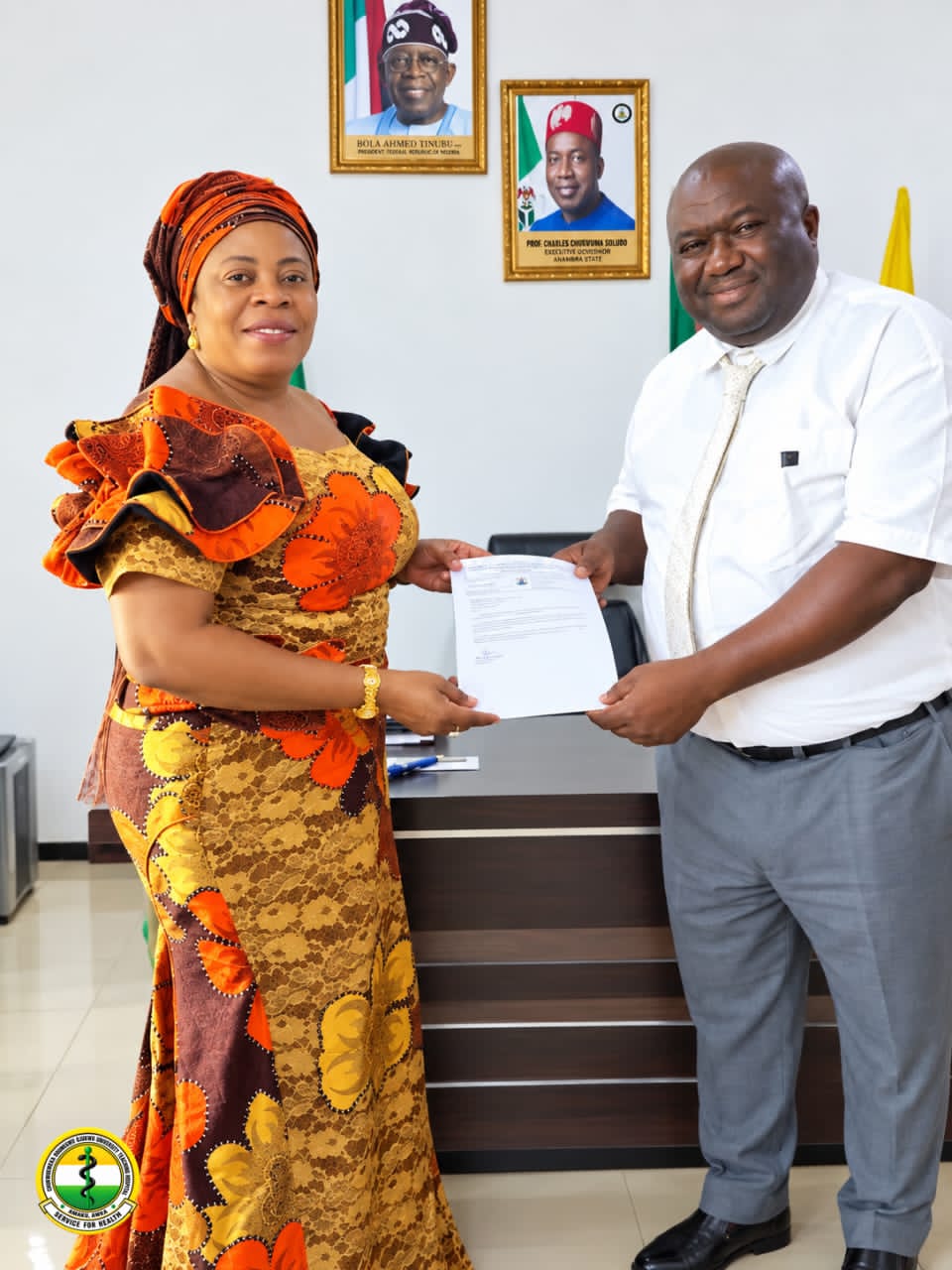
First Lady of Anambra State, Dr. (Mrs.) Nonye Soludo
The First Lady of Anambra State, Dr. (Mrs.) Nonye Soludo, has charged women across the state to use the 2026 Annual August Meeting as a platform to confront the disturbing rise in cases of violent abuse, molestation, neglect, and inhumane treatment of domestic workers, insisting that the silence surrounding such acts must end.
The appeal was contained in a statement issued on Friday by the Senior Media Aide to Governor Charles Soludo, Mr. Daniel Ezeigwe, and made available to journalists in Awka.
Dr. Soludo, who is also the founder of the Healthy Living with Nonye Soludo Initiative, made the call in her message marking the commencement of the 2026 Annual August Meeting.
She urged women to deliberately expand their discussions beyond the traditional focus on community development projects and social activities to include practical and sustainable solutions to what she described as an emerging social and moral crisis that is gradually eroding the fabric of society and undermining healthy child development.
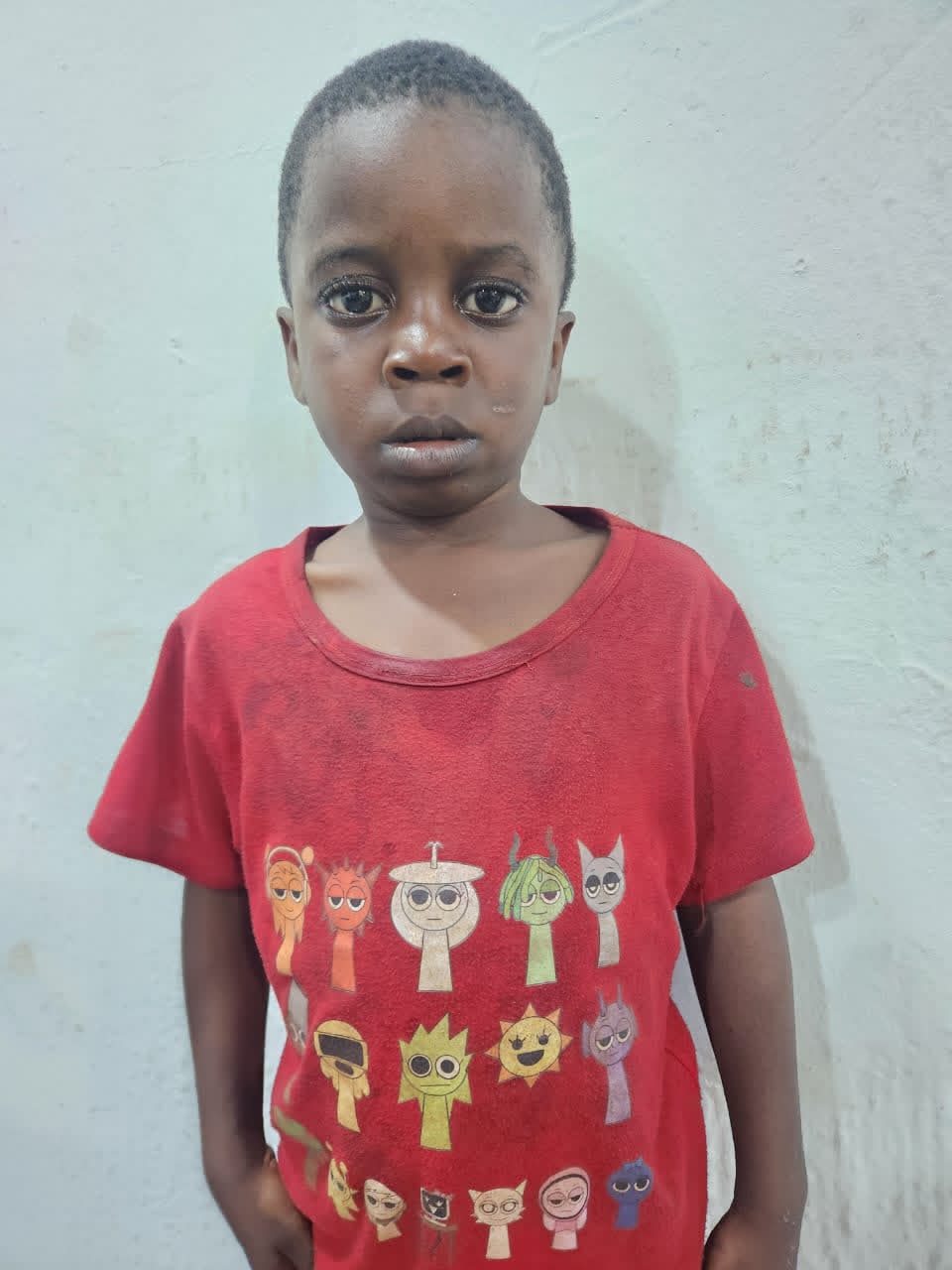
She observed that recent reports of brutal physical assaults, starvation, torture, emotional abuse, and other forms of degrading treatment inflicted on domestic workers, many of whom are minors, should deeply concern every conscientious mother and responsible member of society.
According to the Governor’s wife, while the Annual August Meeting has, over the years, remained a powerful platform for advancing community development, promoting peace, strengthening families, and preserving cherished religious and cultural values, it must also evolve to address pressing social realities, particularly those relating to family life, child upbringing, and the protection of vulnerable children.
She noted that no society can genuinely claim to uphold the sanctity of motherhood while turning a blind eye to the suffering of vulnerable children entrusted to families for guidance, protection, care, and support.
“The young girl who helps in your home is somebody’s daughter before she becomes your maid. She deserves dignity before duty, compassion before correction, and protection before punishment. Violence can never be a tool for raising a child or managing a household,”
“As mothers, we have a sacred responsibility to nurture, not to destroy; to protect, not to oppress. Every child under our roof deserves love, respect, and the opportunity to grow in a safe, secure, and nurturing environment.” She said
The Anambra First Lady, therefore, encouraged women leaders, Presidents-General of women’s associations, faith-based organisations, and other community stakeholders to include conversations on child protection, responsible caregiving, conflict resolution, and the rights and welfare of domestic workers in their August Meeting deliberations.
She stressed that communities should not merely condemn abuse after it occurs but should work collectively to establish effective systems that encourage early intervention, prompt reporting, accountability, and comprehensive support for victims.
Dr. Soludo further reminded parents that children often learn by observation, warning that homes where violence is normalised risk raising another generation that views cruelty and abuse as acceptable means of resolving conflicts or exercising authority.
She therefore urged women to deliberately instil empathy, patience, compassion, and respect for human dignity in their homes, describing these values as the foundation of peaceful families, responsible communities, and a just society.
While wishing Anambra women fruitful, peaceful, and impactful August Meetings, Dr. Soludo expressed confidence that if every community resolves to protect the vulnerable, uphold family values, promote responsible parenting, and reject all forms of domestic violence, the annual gathering would become an even more powerful instrument for building safer homes, stronger communities, and a more compassionate society.
The Annual August Meeting remains one of the most significant socio-cultural gatherings of Igbo women, providing a unique platform for collective reflection, community development, family welfare, social advocacy, and the promotion of values that strengthen society and foster sustainable community progress.