

Anambra Backs Menstrual Health Policy to Keep Girls in School
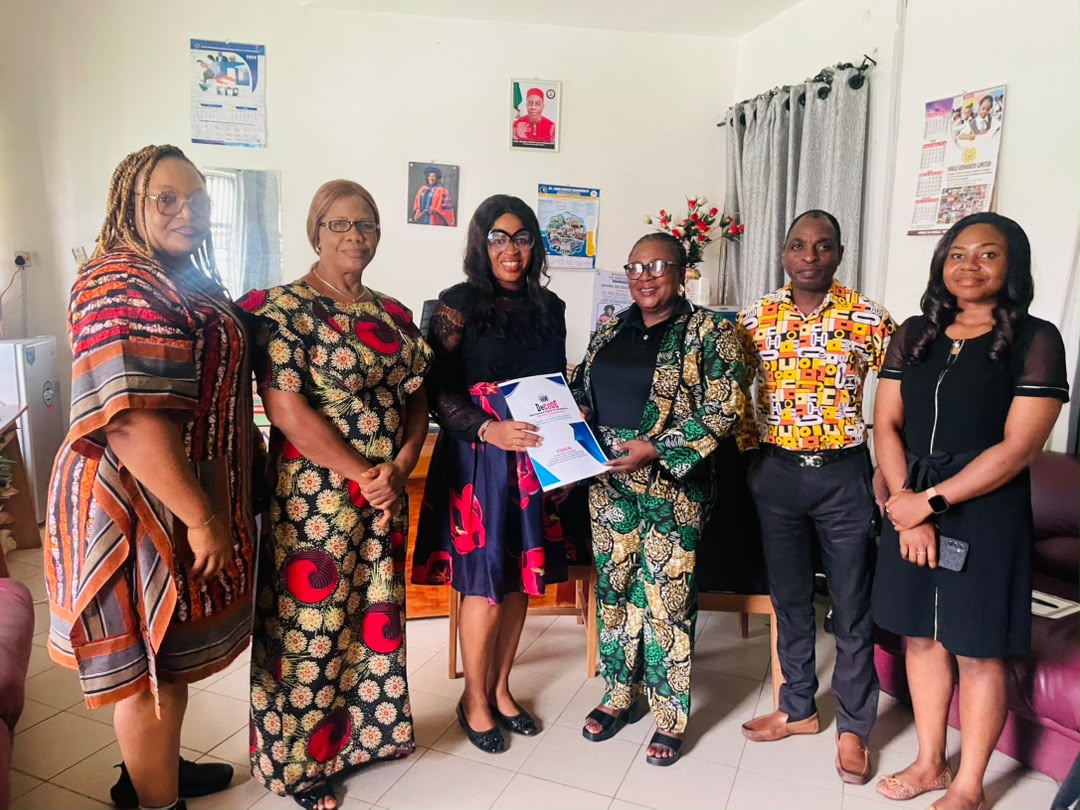
The Anambra State Government has expressed readiness to support efforts aimed at improving menstrual health and hygiene management for girls in public secondary schools, describing the initiative as a timely intervention that will strengthen girls’ education and wellbeing.
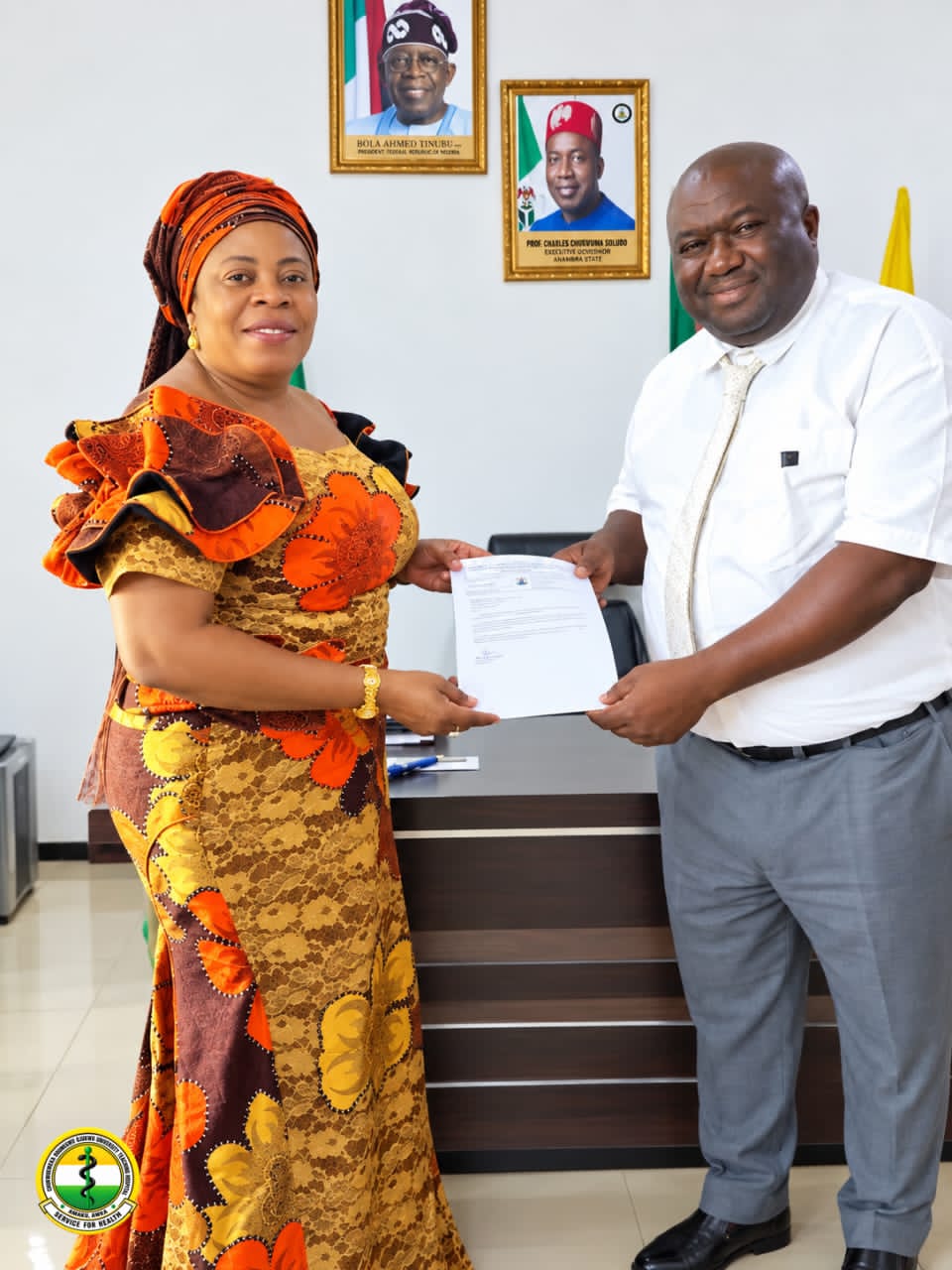
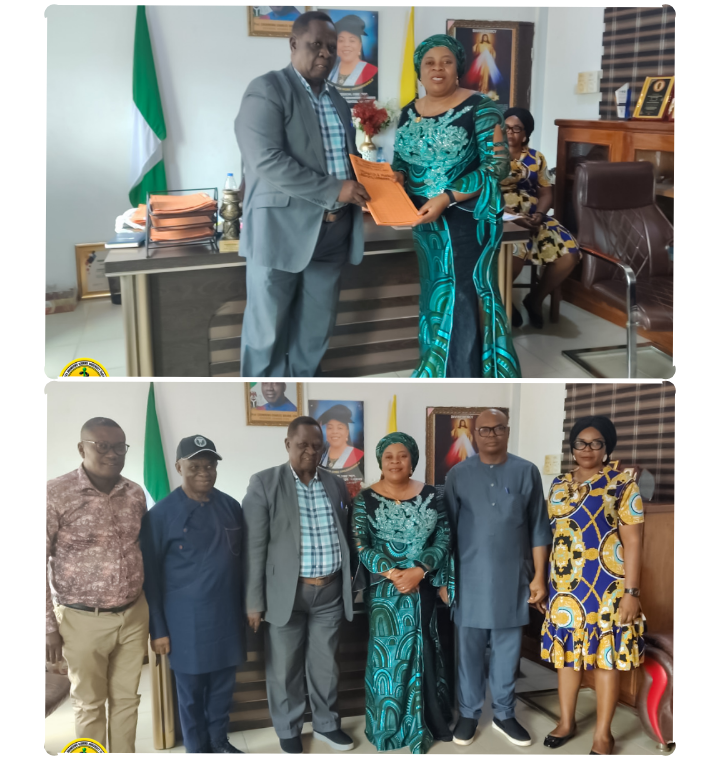
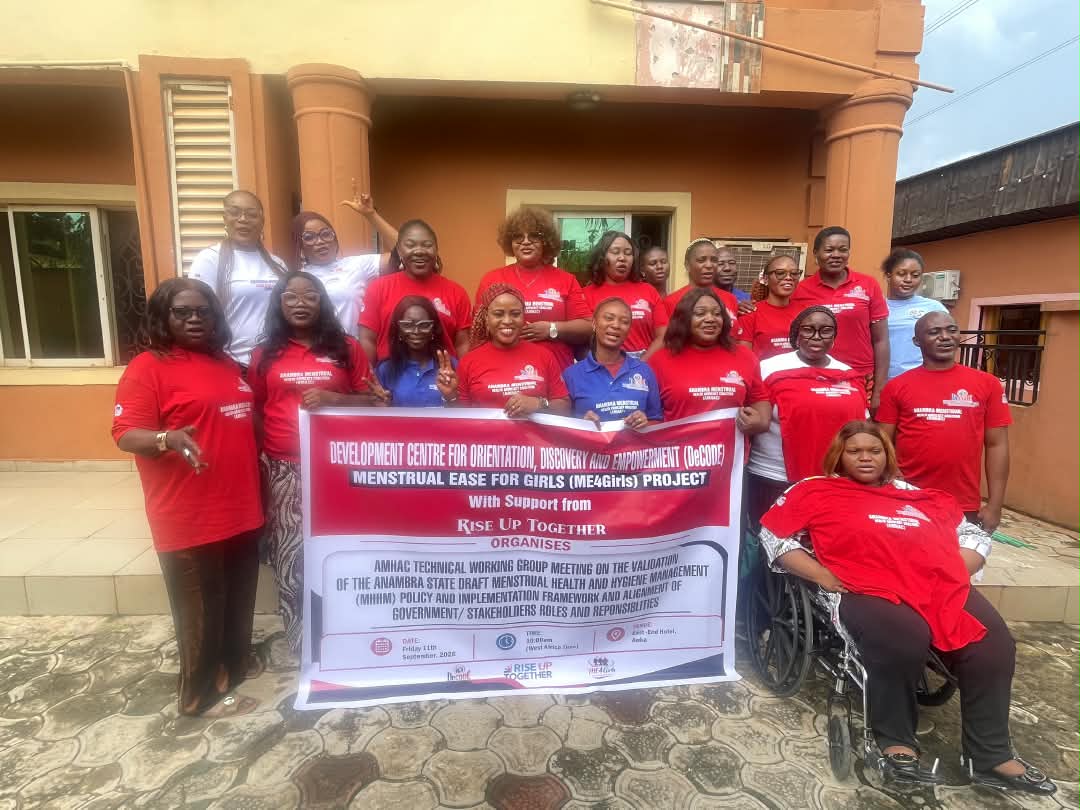
The assurance came when the Permanent Secretary, Anambra State Ministry of Education, Dr. Ifeoma Agbaizu, received an advocacy team from the Development Centre for Orientation, Discovery and Empowerment (DeCODE), implementing the Menstrual Ease for Girls (ME4Girls) Project with funding support from Rise Up Together.
Speaking on behalf of the Commissioner for Education, Dr. Ekene Ogugua, Dr. Agbaizu commended the initiative, noting that it aligns with the state’s commitment to creating a more supportive learning environment for female students.
“I welcome this initiative because it is in the interest of our female children in secondary schools,” she said.
“I also welcome the idea of developing a state policy since there is already a policy at the federal level. With your detailed advocacy brief, I will get back to the Commissioner to determine how we can give our support.
“But be assured that we appreciate this initiative as it will help to ease the challenges associated with menstruation for our secondary school children.”
The advocacy visit formed part of DeCODE’s engagement with critical government stakeholders under the ME4Girls Project, which seeks to support the adoption and implementation of the National Menstrual Health and Hygiene Management Policy in Anambra State.
Project Lead, Mrs. Cynthia Enweonwu-Arinze, explained that DeCODE’s intervention builds on more than eight years of working with girls in schools and communities on menstrual health education and support.
According to her, years of engagement have revealed that inadequate menstrual health information, poor water, sanitation and hygiene (WASH) facilities, limited access to menstrual products and persistent stigma continue to affect girls’ school attendance, classroom participation and overall educational experience.
She said the project is driven by the conviction that no girl should have to choose between managing her menstrual period and pursuing her education.
Enweonwu-Arinze noted that the project is currently conducting a menstrual health situation assessment in 12 public secondary schools across six local government areas to generate evidence that will guide policy decisions and practical interventions.
She explained that, beyond the school assessment, the project is engaging government institutions through Key Informant Interviews and stakeholder consultations to understand existing programmes, identify gaps and develop recommendations tailored to Anambra’s realities.
According to her, the Ministry of Education occupies a strategic position in the process because public secondary schools are the primary focus of the intervention and the ministry is expected to play a leading role in driving policy adoption and implementation.
She added that the evidence generated would support advocacy efforts for the state government’s adoption of the National Menstrual Health and Hygiene Management Policy, while encouraging collaboration among the Ministries of Education, Health and Women Affairs to develop a sustainable implementation framework.
The project is also facilitating the establishment of the Anambra Menstrual Health Advocacy Coalition, bringing together government agencies, civil society organisations, development partners and community stakeholders to promote coordinated action on menstrual health.
Advocates say strengthening menstrual health policies will not only improve girls’ health and dignity but also reduce school absenteeism, improve learning outcomes and ensure that menstruation no longer stands as a barrier to education.
With the Ministry of Education expressing its willingness to support the initiative, stakeholders believe Anambra is taking an important step towards institutionalising menstrual health as a critical component of girls’ education and creating a school system where every girl can learn with confidence, dignity and equal opportunity.
